
Media: Merz coalition on verge of collapse amid reform disputes
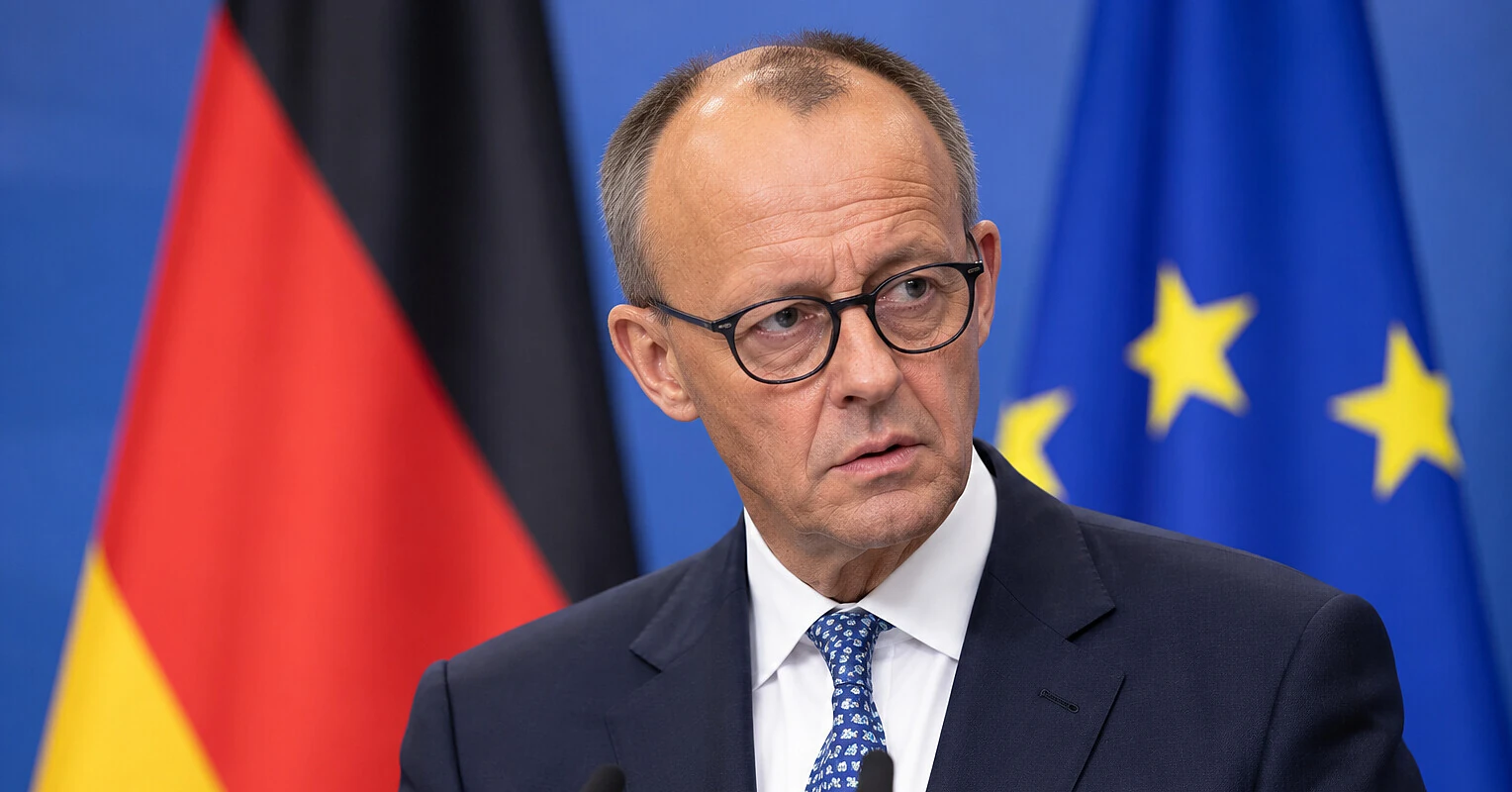
The government coalition of CDU/CSU and SPD in Germany came so close to crisis early this week that Federal President Frank-Walter Steinmeier intervened in the conflict between the partners. The trigger was a dispute over the long-term care insurance reform, but after a temporary compromise between the parties a new conflict has already emerged — over a tax on sugary drinks.
This is reported by Der Spiegel. According to the publication, the situation inside Chancellor Friedrich Merz's government early this week was perceived as so serious that the breakup of the coalition was no longer considered a purely theoretical scenario.
The central conflict was the reform of the long-term care system. The government is trying to cut the growing expenses of the insurance funds and at the same time carry out a more fundamental restructuring of the system, whose financial position is deteriorating.
The SPD demanded changes to the package prepared by Health Minister Carsten Linnemann. The Social Democrats, in particular, advocated limiting citizens' care costs and greater participation of private health insurance in financing the system. CDU/CSU representatives rejected these proposals.
The dispute went so far that the SPD threatened to block the bill in the cabinet. As Deutschlandfunk reports, citing Spiegel, on Tuesday Steinmeier personally called Vice Chancellor and Finance Minister Lars Klingbeil of the SPD and Interior Minister Alexander Dobrindt of the CSU.
Such intervention in a current political dispute is considered unusual for the federal president: the head of state normally does not participate directly in negotiations within the ruling coalition.
According to Spiegel, Steinmeier's concern intensified after his conversation with Merz on Monday during events marking the anniversary of the Federal Constitutional Court. The president feared that the conflict between the parties could escalate into a government crisis.
On Wednesday the cabinet nonetheless approved the first package of the care reform. However, the main contentious issues did not disappear: some of them the parties decided to refer to a commission for further consideration. Thus, the government was able to avoid an immediate confrontation, but there is still no final compromise on financing the system.
Additional pressure is created by the state of the insurance funds. As AOK reports, the federal government is providing the system with another €700 million in the form of a loan to ensure its solvency until the end of the year.
Almost immediately after the temporary settlement of the care reform dispute, a new conflict emerged between CDU/CSU and SPD. Merz's chancellery slowed down Finance Minister Klingbeil's bill to introduce a tax on drinks with high sugar content.
As Tagesschau reports, the idea of the tax itself was previously agreed by the government, but the chancellery stated that the version presented by the Finance Ministry diverges from the recommendations of an expert commission and in its current form does not have a majority within the government.
Klingbeil's draft proposed introducing a tax from 2027 for drinks containing more than five grams of sugar per 100 milliliters. The Finance Ministry expected to receive about €1 billion annually from it. Representatives of CDU/CSU and several federal states oppose parts of the proposals.
The coalition crisis is developing against the backdrop of a sharp drop in support for the government. According to ARD-DeutschlandTrend from October 1, 10% of respondents are satisfied with the federal government's work, and the same number positively assess Merz's performance. Support for CDU/CSU in the poll was 20%, SPD — 13%.
Additional pressure on the chancellor arose after the regional elections in September, which were unsuccessful for the CDU. After the defeats, Merz's political future was discussed within the party, but the CDU and CSU leadership publicly continued to support the chancellor.
Thus, the immediate risk of the government meeting being disrupted because of the care reform was removed, but the main disagreements between CDU/CSU and SPD remain. In addition to the care system and tax policy, the partners still have to agree on further social and economic reforms that have already become a source of internal conflicts.
