
Belarus sends first potash shipment to the US after sanctions easing
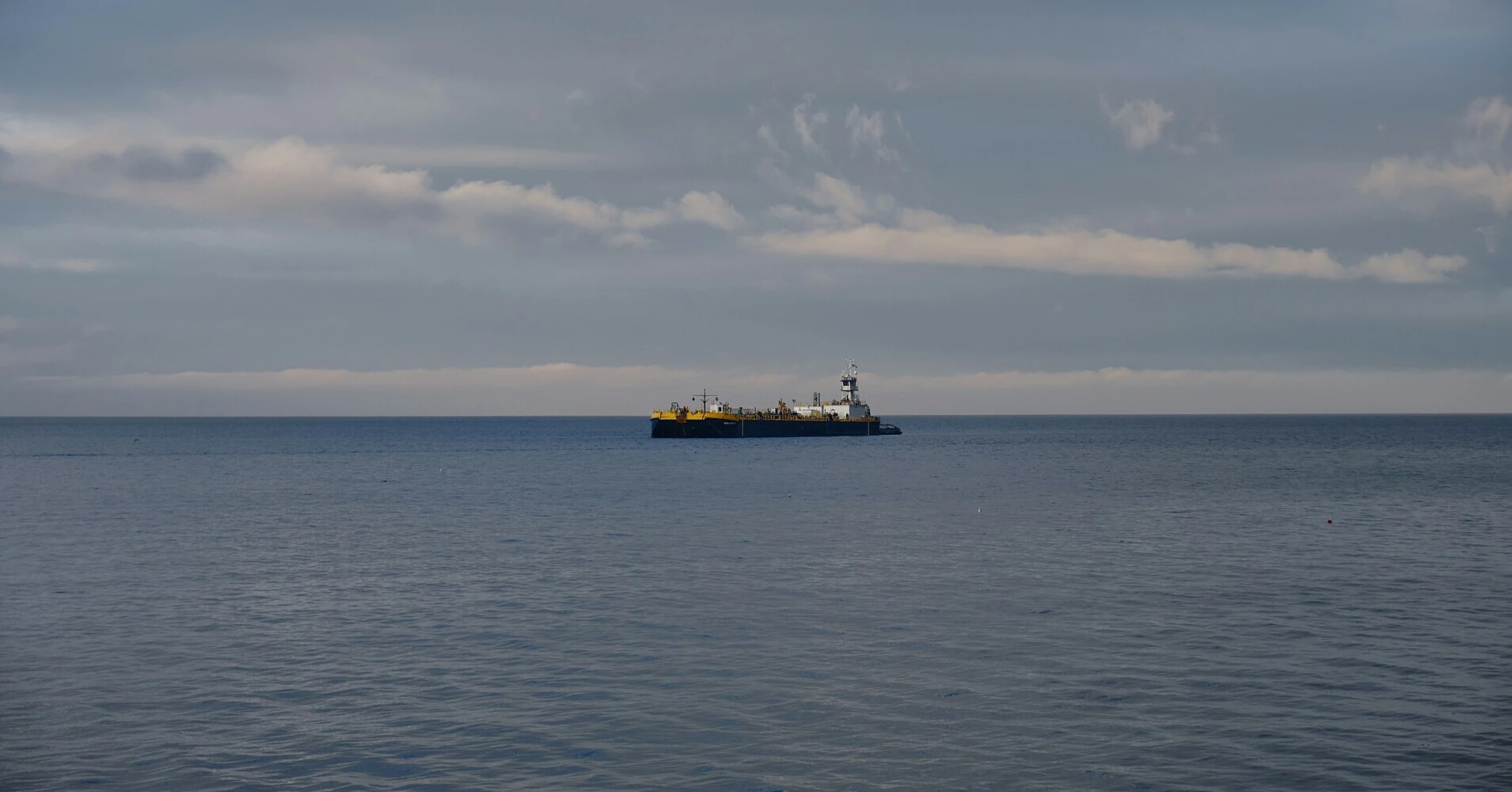
Belarus has sent its first shipment of potash fertilizers to the United States in four years. The cargo of 30,000 tons is scheduled to arrive in New Orleans on October 14, marking the first actual resumption of such supplies after the easing of American sanctions.
According to Financial Times, the Belarusian Potash Company loaded granulated potassium chloride on September 15 at the Russian port of Bronka in St. Petersburg. Ship tracking data indicate that its final destination is the port in the state of Louisiana.
The shipment follows Washington's gradual easing of restrictions on the Belarusian potash industry as part of negotiations with Minsk, which also included the release of political prisoners. Before sanctions were imposed in 2021, Belarus was a notable supplier of fertilizers to the US market.
The current shipment is still small compared to total US demand. According to the US Geological Survey, in 2025 the country imported about 5.6 million tons of potash in potassium oxide equivalent and depended on imports for approximately 92%. Canada supplied about 79% of US imports during 2021-2024.
It was the reliance on Canada that became one of the arguments by President Donald Trump in favor of resuming purchases from Belarus. In September, he said that Washington was working on a "major deal" with Minsk and expected to buy Belarusian potash cheaper than Canadian.
At the same time, rapidly increasing Belarusian supplies will be difficult. Due to EU sanctions, Belarusian companies cannot use the Lithuanian port of Klaipeda, which previously was one of the shortest export routes. Now fertilizers have to be transported through Russian ports, increasing transportation costs.
Therefore, the first 30,000 tons are primarily symbolic: they confirm that trade in Belarusian potash with the US has actually resumed. Whether this shipment will grow into large regular purchases will depend on prices, logistics, and the future sanctions regime.
Based on: Financial Times, U.S. Geological Survey, Kurs Ukrainy
