
NATO drafts plan for quick victory in case of Russian attack - Bloomberg
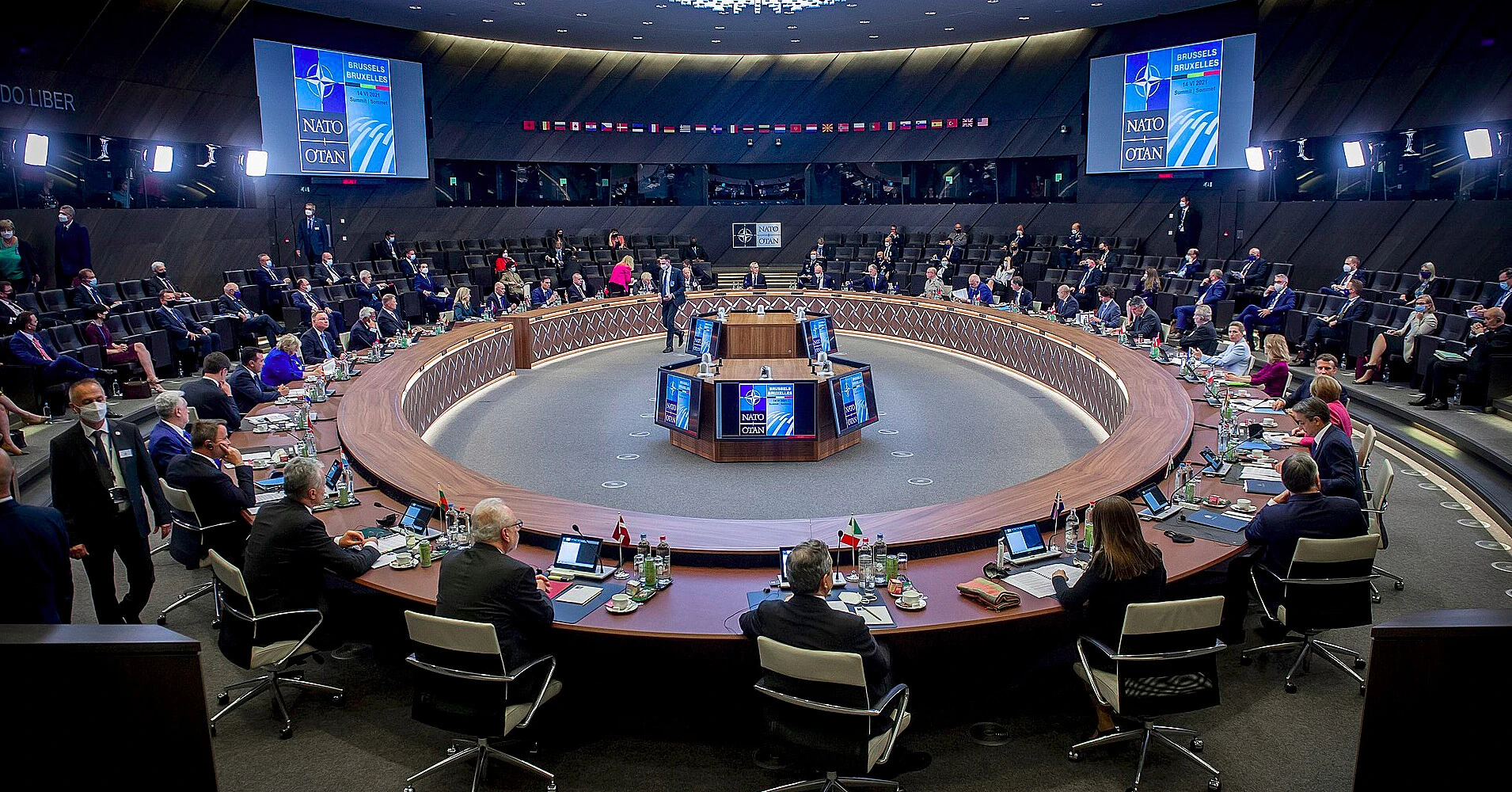
NATO is developing a new strategy that should define how the Alliance can quickly stop a Russian invasion on its eastern flank and achieve victory in case of an attack. A significant role in it is assigned to cheap drones, autonomous systems and artificial intelligence.
This is reported by Bloomberg, which reviewed an unclassified version of the document titled "Theory of Victory".
The strategy is being developed by the Supreme Allied Commander Europe of NATO Allied Command Operations, General Alexus Grynkewich. It is expected that he will present the document on October 12 in Poland.
According to Bloomberg, the "Theory of Victory" should explain to allies how NATO will respond to a possible invasion of Alliance territory. The document should also show how traditional weapons and ground forces can be combined with new technologies, whose development accelerated sharply after the start of Russia's full-scale war against Ukraine.
In case of an attack, the Alliance plans to stop the enemy's advance using a combination of ground forces and other means within the deterrence initiative on the eastern flank. One of its key elements is to be cheap drones, systems with minimal crew involvement, and targeting means based on artificial intelligence.
The document at the same time emphasizes NATO's defensive nature and the need to avoid unintentional escalation. Special attention is paid to collective counteraction to hybrid threats. The goal of demonstrating readiness is that a potential adversary concludes that a successful attack on the Alliance is impossible.
Grynkewich's spokesman Colonel Martin O'Donnell declined to reveal details of the plan. At the same time, he said that the main idea is to maintain NATO's military advantage and to create conditions now for deterring aggression, and in case of attack - for victory.
More active introduction of unmanned and autonomous systems has already become one of the directions of the Alliance's defense restructuring. NATO has strengthened its military presence on the eastern flank and integrates new technologies into its defense plans. Separately, the Alliance has announced its intention to invest over $40 billion in means to counter drones over five years.
NATO explicitly states that the war in Ukraine has demonstrated the decisive importance of drones on the modern battlefield. The Alliance is also testing on the eastern flank drones, ground robotic platforms, and new communication systems for their joint use with traditional forces.
