
Netherlands to help Ukraine strengthen F-16s against jet-powered Shaheds
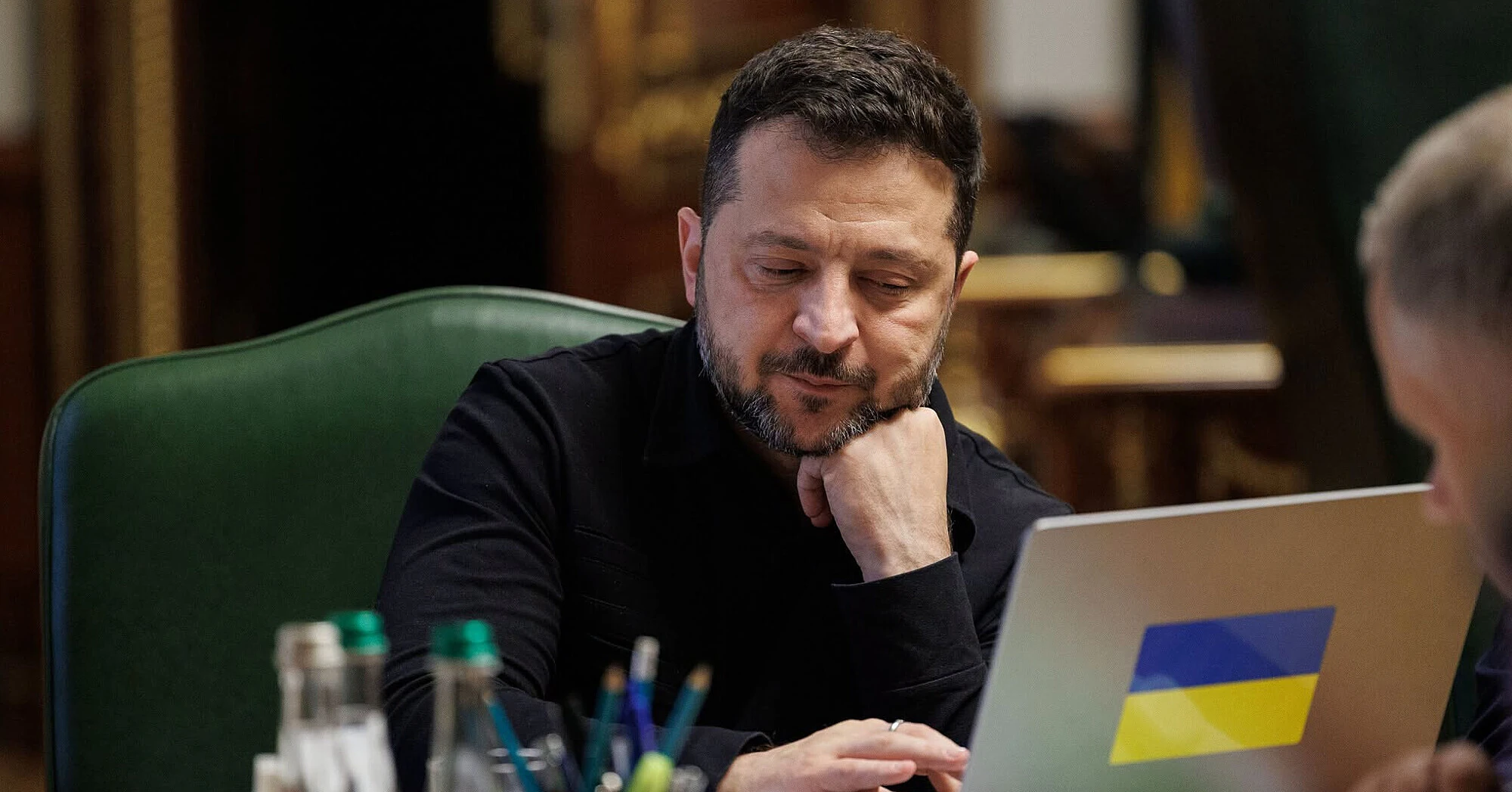
The Netherlands will help Ukraine improve the effectiveness of F-16 fighters in combating Russian jet-powered strike drones. Kyiv and Amsterdam are also discussing additional solutions to protect critical infrastructure and strengthen Ukrainian air defense.
President Volodymyr Zelenskyy announced this following a conversation with Prime Minister of the Netherlands Rob Jetten.
The main topic of the talks was the Russian escalation involving jet-powered "Shaheds." According to Zelenskyy, a significant portion of such drones is destroyed by Ukrainian forces precisely with the help of F-16 fighters that the Netherlands previously transferred to Ukraine.
The president noted that there are opportunities to further support the operation of these aircraft with "appropriate means." The parties did not publicly specify which ammunition, equipment, or other systems might be provided.
The need for additional strengthening of the aviation component of air defense is linked to a sharp increase in the number of jet-powered drones in Russian attacks. On the night of October 5 alone, Russia used 205 drones of various types against Ukraine, among which the Air Force recorded 49 jet-powered drones. In total, air defense forces neutralized 172 aerial targets.
The day before, Zelenskyy stated that over the week Russian troops used more than 1,900 strike drones against Ukraine. More than 800 of them, according to the president, were jet-powered.
Jet-powered drones pose a more difficult target for air defense due to significantly higher speed. According to Zelenskyy, Ukrainian air defense currently destroys about 57% of such drones, while the interception effectiveness of conventional strike drones is approximately 85–90%.
The president called combat aviation the most effective means of countering jet-powered UAVs. However, intensive use of F-16s requires large ammunition stocks. On October 4, Zelenskyy reported that to counter such targets, Ukrainian F-16s use about 5–6 thousand rounds of 20 mm ammunition per day.
Therefore, Kyiv is simultaneously working with partners on additional ammunition supplies for aviation. Ukraine also develops several cheaper interception methods to avoid using expensive air defense missiles against every aerial target.
In particular, Ukraine is deploying robotic turrets with machine vision and artificial intelligence elements. The Air Force confirmed on October 5 that such systems have already been able to destroy jet-powered drones, including Russian "Geran-5." The limitation of the turrets remains the relatively short range of their machine gun armament.
Another direction is specialized interceptor drones. Zelenskyy reported that the highest hit rate against jet-powered targets was demonstrated by the "Bars" interceptors. Ukraine is also testing other systems, including the high-speed SPYS interceptor developed jointly with Germany.
In addition, by the end of October Ukraine expects to begin practical use of domestically produced small missiles designed to destroy jet-powered drones.
During the conversation between Zelenskyy and Jetten, not only F-16 support was discussed. The president stated that the parties also considered other ideas for protecting critical infrastructure and strengthening the Ukrainian air defense system. Specific projects have not been disclosed yet.
The Netherlands plays one of the key roles in the aviation coalition supporting Ukraine. The country transferred F-16 fighters to Ukraine and earlier participated in strengthening Ukrainian air defense, including supplies of components and missiles for Patriot systems.
Kyiv and Amsterdam are also developing joint defense projects. In particular, the parties agreed to expand cooperation between Ukrainian and Dutch defense companies and work on joint weapon production.
Separately, Zelenskyy informed Jetten about the latest contacts of the Ukrainian side with representatives of the United States. The conversation discussed potential technical meetings in a trilateral format involving Ukraine, the United States, and Russia.
Based on materials from: Volodymyr Zelenskyy, Ukrinform
