
Nobel Prize in Physics awarded for research in neutrino astronomy
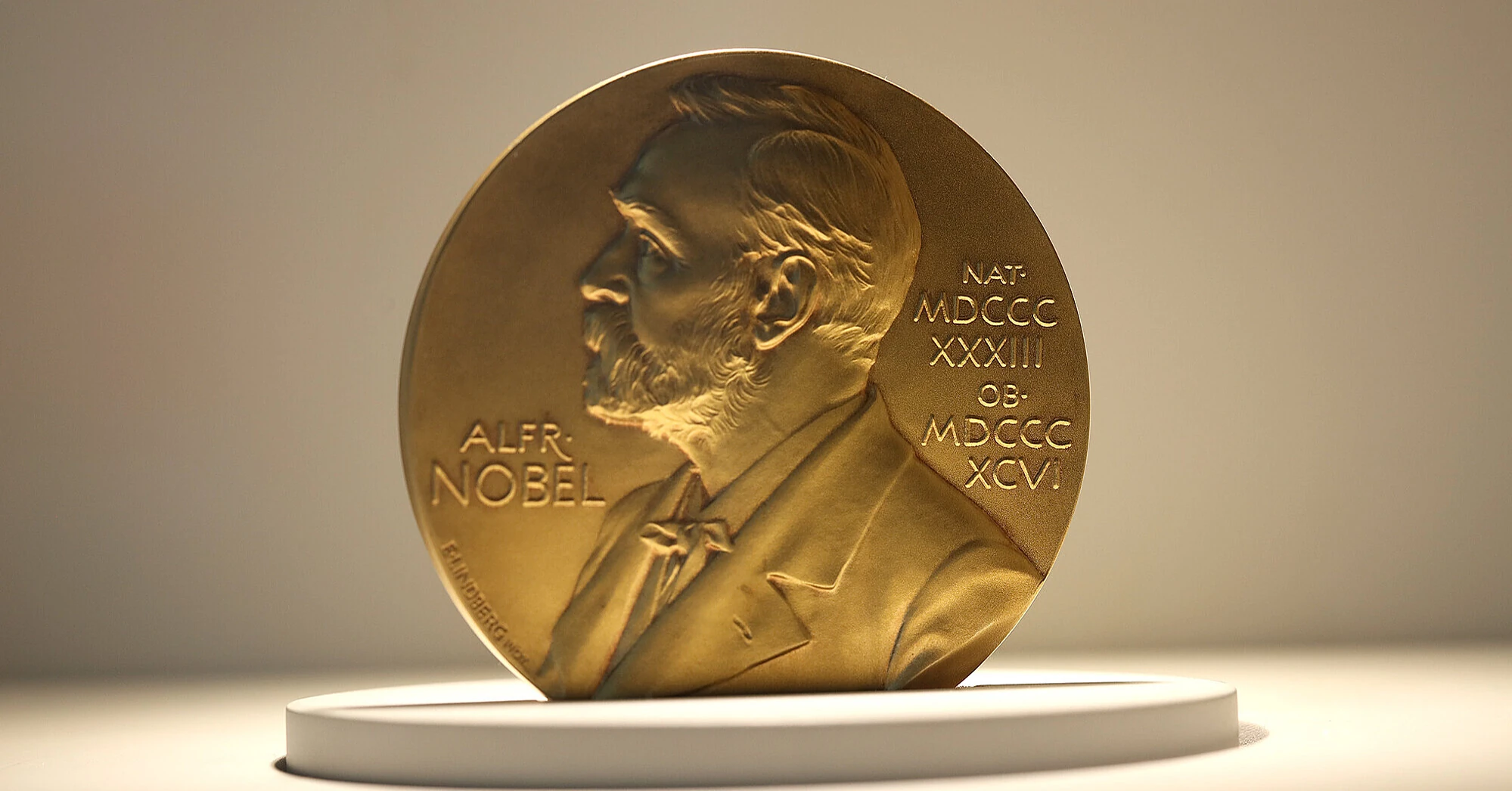
The 2026 Nobel Prize in Physics was awarded to Francis Halzen, professor at the University of Wisconsin–Madison. The scientist was recognized for his decisive contribution to the creation of the IceCube Neutrino Observatory and the discovery of high-energy astrophysical neutrinos.
The Royal Swedish Academy of Sciences announced this on October 6.
IceCube is located at the South Pole and uses about a cubic kilometer of Antarctic ice as a giant detector. Light sensors are embedded in the ice, capable of recording rare interactions of neutrinos with atomic nuclei.
High-energy neutrinos are produced during extremely powerful processes in the Universe. Unlike many other particles, they can travel vast distances virtually without changing direction or losing energy. This allows scientists to use them to study distant cosmic sources.
Halzen proposed using the ice at the South Pole to search for neutrinos back in 1988. The IceCube Observatory was completed in 2011, and later it succeeded in detecting high-energy neutrinos originating far beyond the Solar System.
Mark Pearce, Chair of the Nobel Committee for Physics, noted that Halzen's scientific vision and perseverance paved the way for a new kind of astronomy.
Francis Halzen was born in 1944 in Tienen, Belgium. He received his doctoral degree from the Catholic University of Leuven, and is now a professor at the University of Wisconsin–Madison.
This year's Nobel Prize in Physics amounts to 12 million Swedish kronor.
Based on materials from: The Royal Swedish Academy of Sciences, AP
