
Quebec separatists prepare a new independence referendum
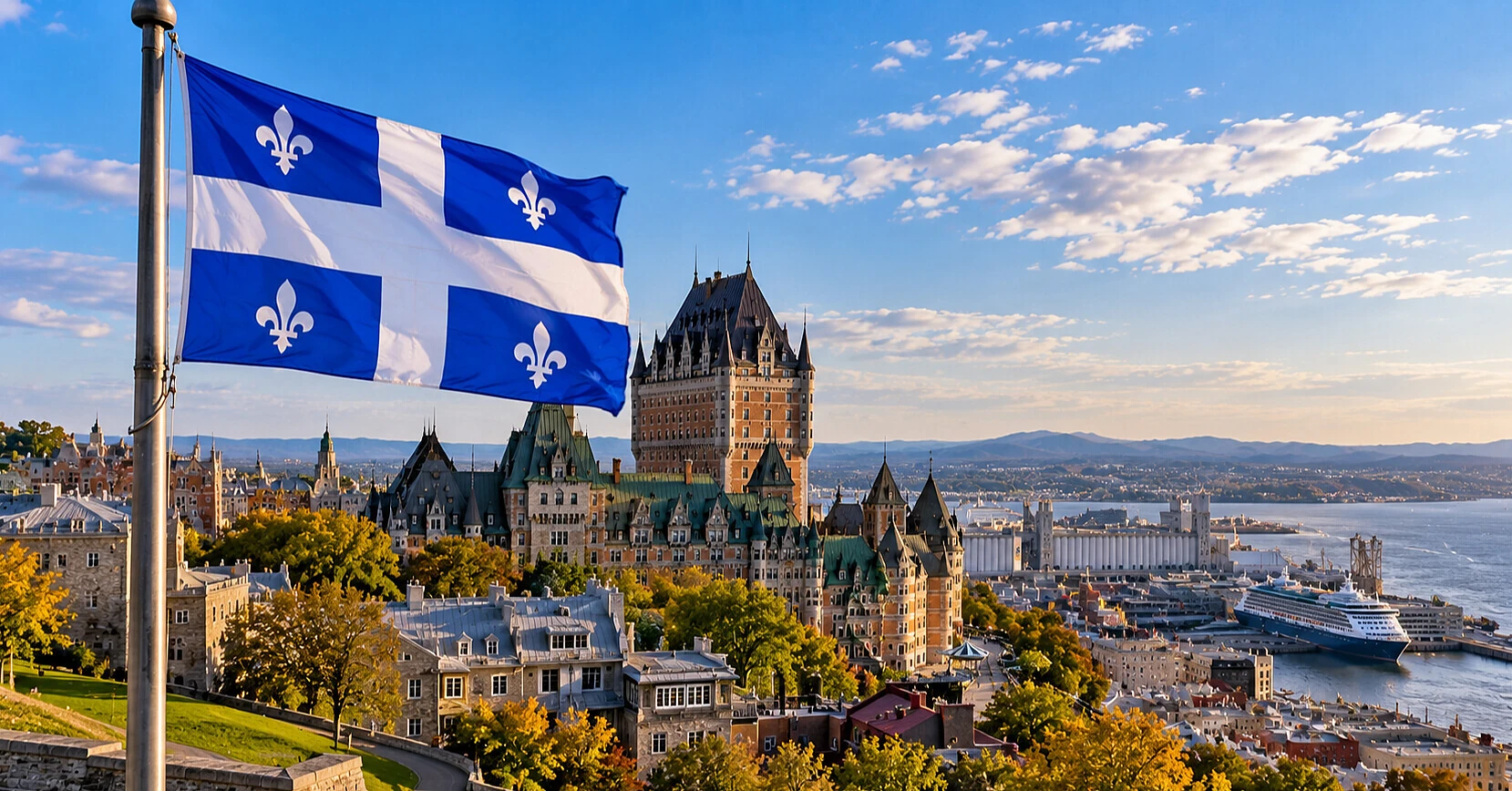
Supporters of Quebec independence have returned to power in the Canadian province and intend to hold a new referendum on leaving Canada. The Parti Québécois, led by Paul St-Pierre Plamondon, won the October 5 election and will form a minority government.
According to preliminary election results, the Parti Québécois won 59 of the 127 seats in the National Assembly of Quebec. To gain an absolute majority, the party needed 64 seats. About 28% of voters supported the separatists. The Liberal Party won 40 seats, the Conservatives 19, and Québec solidaire nine.
During the election campaign, Plamondon promised to hold a sovereignty referendum in Quebec within the first term of his government. However, the vote will not take place while Donald Trump remains president of the United States. According to the party's stated position, the referendum is possible no earlier than January 2029.
The Parti Québécois explained the delay by citing instability in Canada-U.S. relations and Washington's trade policy. According to Plamondon, the question of Quebec's future should be discussed under conditions that allow for a calm and substantive campaign, independent of sudden changes in American policy.
The victory returns the Parti Québécois to power for the first time since 2014. However, the lack of a majority complicates the implementation of the program: the new government will need the support of other parties to pass laws and maintain the confidence of the National Assembly.
Quebec has already held two independence referendums, in 1980 and 1995. Both ended in victory for supporters of keeping the province within Canada, and in the second case the margin between the sides was very narrow.
After the election, Canadian Prime Minister Mark Carney expressed readiness to cooperate with the new Quebec government and called for a focus on the economy, housing construction, and the consequences of U.S. trade policy.
Based on materials from: Élections Québec, Parti Québécois
