
Houthis attack two Saudi Arabian airports amidst fighting for Bab-el-Mandeb
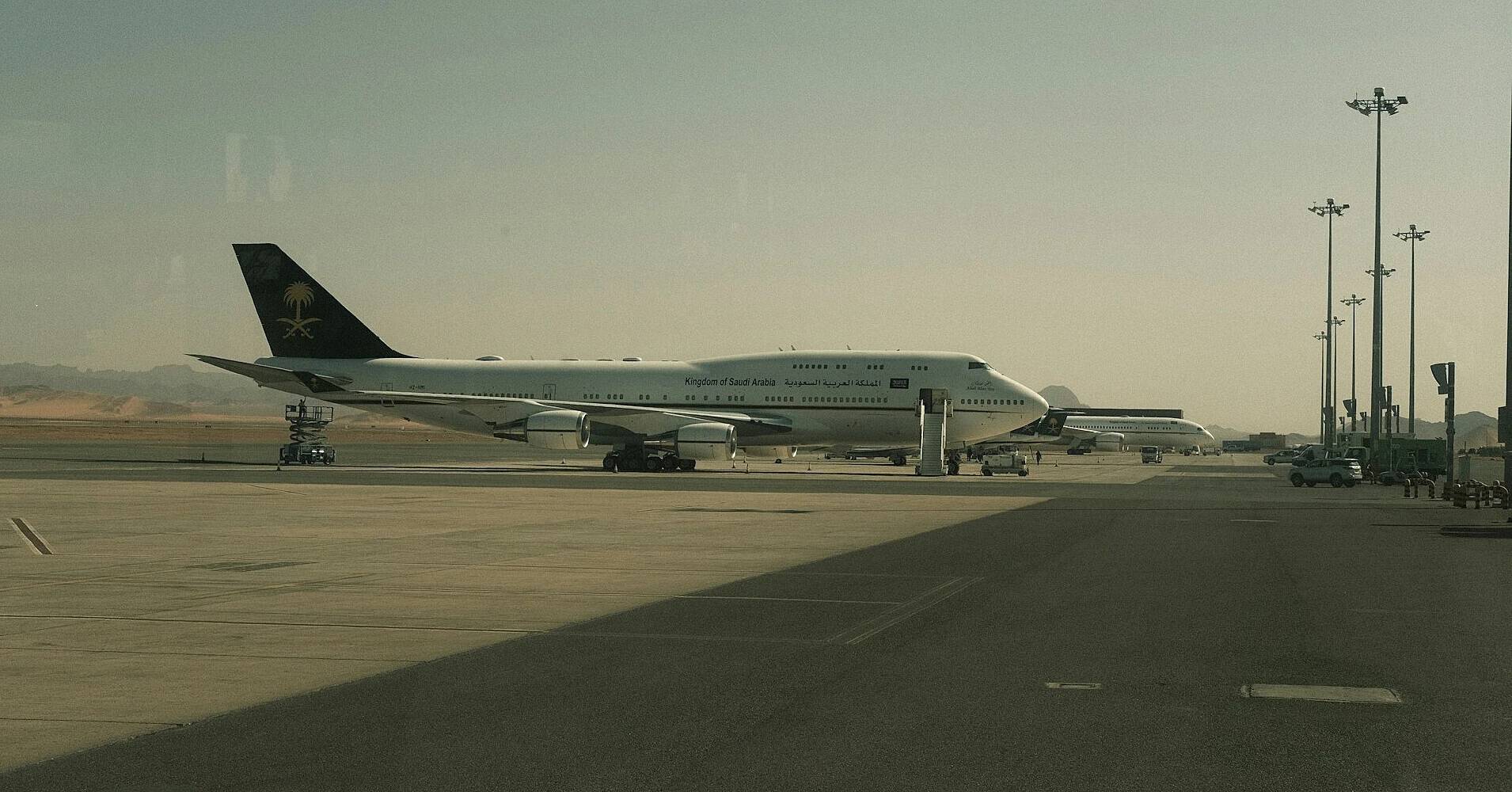
Two airports in southern Saudi Arabia sustained damage as a result of attacks amid a sharp escalation in hostilities between Riyadh and Yemen's Houthis. The escalation is occurring simultaneously with an offensive by Saudi-backed forces near the Bab-el-Mandeb Strait - one of the world's key oil trade routes.
The General Authority of Civil Aviation of Saudi Arabia reported that on the evening of October 5, attacks targeted King Abdullah bin Abdulaziz International Airport in Jizan and Najran International Airport. In both cases, material damage was recorded, and three people sustained minor injuries and were hospitalized. Authorities continue to assess the state of airport infrastructure.
Saudi aviation authorities did not directly name those responsible for the strikes. At the same time, the Houthis claimed a series of operations using ballistic and cruise missiles and drones against targets in Saudi Arabia. Among the claimed targets, they named airports, military facilities, and a Saudi Aramco oil refinery in Rabigh. Some of these claims have not been independently confirmed.
The following day, the Houthis also claimed a strike in the direction of Abha airport. The Saudi side at the time of publication did not separately confirm this hit. It was also reported that a ballistic missile aimed at the Khamis Mushait area was intercepted.
The intensification of attacks coincided with a major offensive by Yemen's internationally recognized government and Riyadh-backed forces against the Houthis on the country's western coast. The main fighting is over areas near the Bab-el-Mandeb Strait, through which the sea route between Asia, the Red Sea, and the Suez Canal passes. Government forces claimed to have recaptured a number of positions near the strait and the strategic port of Mocha, while the Houthis deny some of these reports.
The escalation poses a particular risk to civil aviation. The European Aviation Safety Agency previously warned that the increase in missile and drone attacks on Saudi Arabia, as well as the operation of air defense systems, raises the risk for civilian aircraft. EASA recommends avoiding flights in certain areas of Saudi airspace in the south and southwest of the country, and acting with heightened caution in the rest of the territory.
Even more significant could be the consequences for the oil market. Due to restrictions on shipping in the Strait of Hormuz, Saudi Arabia has largely reoriented exports to the East-West pipeline and the port of Yanbu on the Red Sea. This has made the security of routes through the Red Sea and Bab-el-Mandeb even more important for global supplies.
According to the U.S. Energy Information Administration, before the recent attacks, the East-West pipeline transported over 5 million barrels of oil per day to Yanbu. After the attacks on the pipeline in September, Brent at one point rose to $131 per barrel, and the average price for the month was $114. Therefore, the new escalation near the southern exit of the Red Sea adds risks to the route that Saudi Arabia uses to bypass the Strait of Hormuz.
The Houthis also called on international airlines to stop flights in Saudi Arabia's airspace, making an exception for the areas of Mecca and Medina. Such statements do not mean the closure of Saudi airspace, but they increase risks for carriers and may force airlines to review routes and their own security assessments.
Based on materials from: The Wall Street Journal, Associated Press, Saudi Gazette
