
Oil rises as Iran renews attacks in the Strait of Hormuz
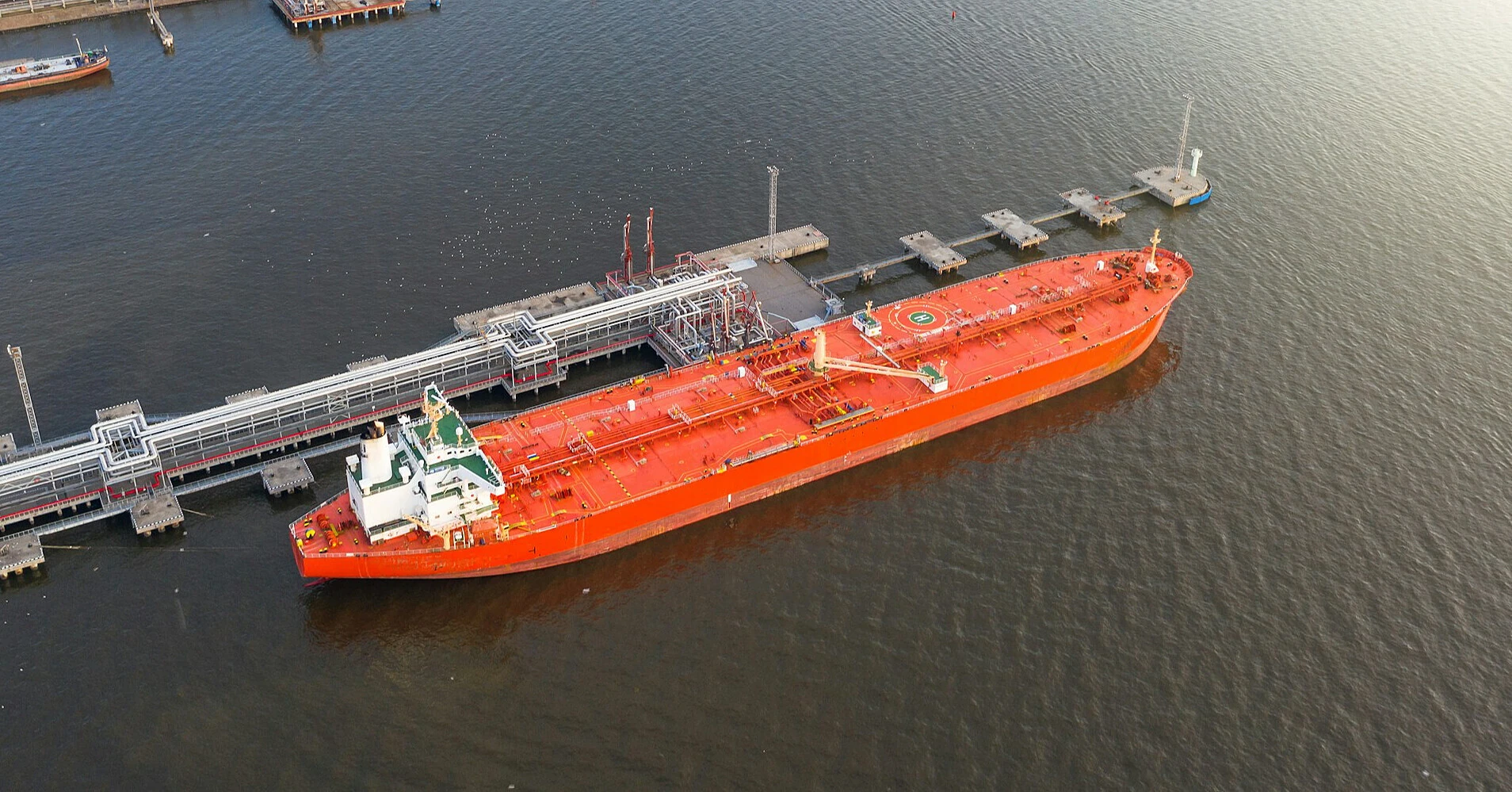
Oil prices went up again on October 7 amid a sharp increase in attacks on vessels in the Strait of Hormuz. Brent rose toward $102 a barrel, and the American WTI exceeded $90, although the volumes of oil transported through the key route have continued to recover in recent weeks.
The market is essentially caught between two opposing factors. On one hand, oil flows through the Strait of Hormuz are approaching the levels recorded before the start of the war with Iran. On the other, Tehran has noticeably stepped up attacks on shipping, increasing the risk of another disruption to supplies.
According to UK Maritime Trade Operations, at least nine attacks have been recorded in the Strait of Hormuz area since the beginning of October alone. That is already half the number of incidents registered for all of September in the Strait and the Persian Gulf combined. Moreover, four of the September attacks occurred in the last two days of the month, pointing to a marked acceleration in activity.
Previous waves of attacks had already led to short-term reductions in shipping through Hormuz, though operators later compensated for the losses by increasing flows. For now, market participants are not sure whether the new escalation will again force tankers to cut their passages through the Strait.
According to estimates by major commodity traders, energy flows from the Middle East have recently recovered to about 80% of the pre-war level. Some banks put oil shipments through Hormuz even higher, saying they are already approaching the figures seen before the conflict began.
Most tankers pass through the Strait using a corridor close to the coast of Oman. At the same time, ships often disable digital positioning systems, so traders and analysts have to estimate the real volume of traffic based on satellite imagery and other vessel-movement data.
The rise in risks has already had a sharp effect on shipping costs. According to Bloomberg, citing the Baltic Exchange, the rate for transporting crude oil from the Persian Gulf to China reached a record $1.3 million per day at the start of the week. By comparison, last year it averaged about $60 thousand. The difference is due to the sharp reduction in the number of shipowners willing to sail through the dangerous area.
Meanwhile, Iran has not yet tried to completely stop traffic through the Strait. US Vice President J.D. Vance said in an interview with Reuters that Tehran is attacking individual ships, but the scale of the attacks is not yet sufficient to stop the flow of oil and gas.
According to Vance, Washington is also not giving up on a diplomatic scenario and maintains contacts with Iranian President Masoud Pezeshkian and Foreign Minister Abbas Araghchi. The US and Iran have previously discussed the possibility of a phased agreement that would involve normalizing passage through the Strait of Hormuz in exchange for easing the American blockade of Iranian ports.
Thus, there is no immediate shortage of oil on the market right now: rising supplies through Hormuz are keeping prices in check. However, the more frequent attacks support a significant geopolitical premium in prices and leave the market vulnerable to any new reduction in shipping.
