
South Korea denies Ukraine's claim about fuel assistance to Russia
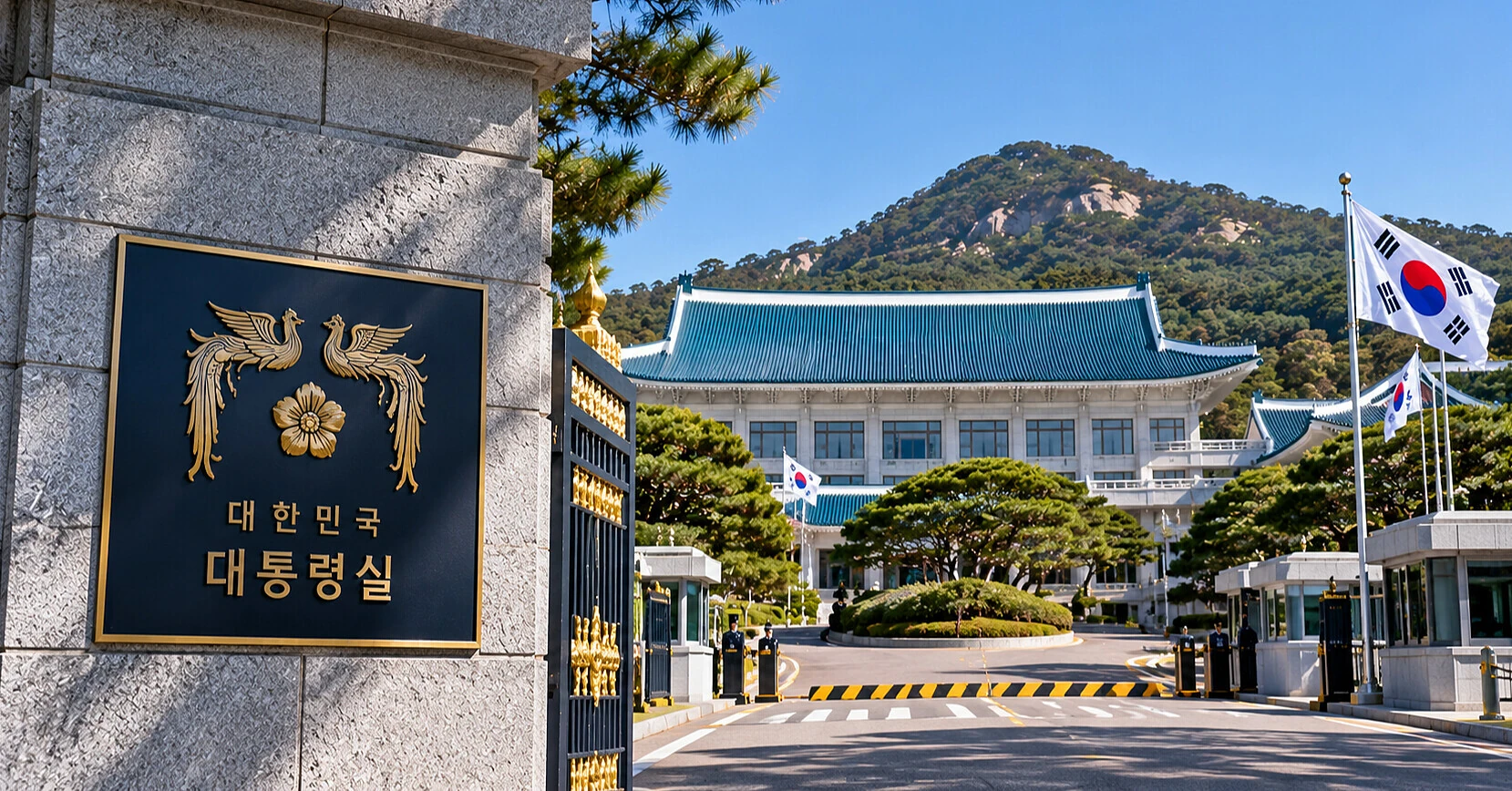
The office of the President of South Korea rejected statements from the Ukrainian side that supplies of petroleum products from South Korean ports helped Russia mitigate a fuel crisis after Ukrainian strikes on oil refineries.
Seoul called such claims "inaccurate and inappropriate" and stated that South Korea has consistently applied sanctions and export controls against Russia since the start of the full-scale invasion, coordinating with international partners.
The reaction came after a statement by Vladislav Vlasiuk, the Ukrainian President's Commissioner for Sanctions Policy. He reported that in July-August 2026, more than 176,000 tons of petroleum products, mostly diesel fuel, were transported from South Korean ports to Russia. According to his data, in August such supplies accounted for about 31% of Russia's fuel imports.
Vlasiuk emphasized that the supplies began amid Ukrainian strikes on Russian refineries, which reduced processing volumes and caused a fuel shortage in Russia. In his opinion, imports from South Korea effectively allowed Moscow to partially compensate for the loss of its own refining capacity.
The basis for his statement was an investigation by The Guardian. As previously reported by "Kurs Ukrainy", analysis of port records and vessel tracking data showed that seven tankers made 14 voyages from South Korean ports to the Russian Far East. Three vessels were under sanctions from certain Western jurisdictions.
At the same time, South Korea emphasizes the fundamental difference between loading fuel in Korean ports and exporting Korean-origin fuel directly to Russia. The presidential office stated that key circumstances of individual operations have not been confirmed, including the origin of the goods, parties to the transactions, and final buyers.
A representative of South Korea's National Security Council also stated that authorities have not confirmed exports of domestically produced diesel, gasoline, or aviation fuel to Russia. According to Seoul, statistics for the period from August 2025 to August 2026 show no direct shipments of these types of fuel from South Korea to Russia.
Furthermore, petroleum products such as diesel and aviation fuel are not included in the list of 1,402 items whose export to Russia South Korea has restricted under enhanced sanctions controls. At the same time, authorities are investigating the circumstances of the shipments and possible violations of export control rules, including possible misdeclaration of the final destination. If violations are found, Seoul promises to take appropriate measures.
Vlasiuk himself noted that the current situation contrasts with Seoul's sanctions policy after the start of the full-scale war. South Korea joined enhanced export controls against Russia, restricted transactions with Russian banks, and expanded the list of controlled goods, including electronics, semiconductors, and equipment that could be used by Russia's military-industrial complex.
Based on materials: Reuters, Vladislav Vlasiuk
