
Tanker attacked in Persian Gulf: number of attacks reaches maximum since war began
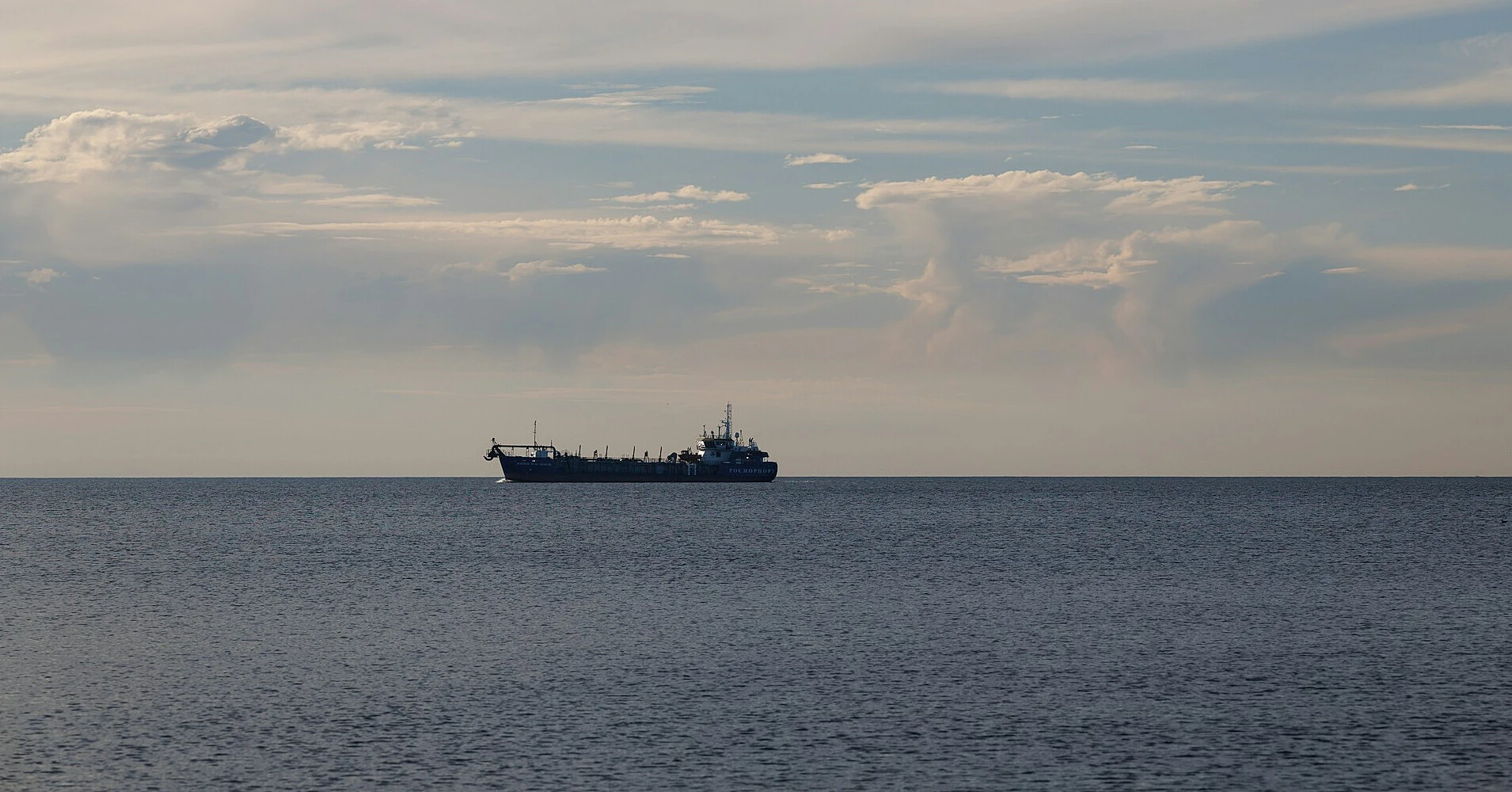
A new attack on an oil tanker was recorded in the Persian Gulf near the coast of Qatar. The vessel sustained several hits, and casualties are reported. The incident occurred amid a sharp escalation in the security situation for shipping in the region: the number of attacks on tankers in the Strait of Hormuz last week reached the highest level since the start of the US war with Iran.
According to information from the British Maritime Trade Operations agency (UKMTO), the attack occurred on October 7 about 51 nautical miles (94 km) north of the Qatari city of Madinat ash Shamal.
The tanker's crew reported being hit by several unidentified projectiles. The UKMTO confirmed receiving information about casualties, but did not specify their number or whether they refer to deaths or injuries.
The name of the vessel and its flag have not yet been disclosed. The competent authorities are investigating the circumstances of the attack. The British agency called on merchant vessels to exercise increased caution when transiting the dangerous area and to report suspicious activity.
According to Bloomberg, this is the first attack on a tanker deep in the Persian Gulf, far from the Strait of Hormuz, in about a month. The previous similar incident occurred on September 9, when an unidentified projectile hit a vessel about 28 nautical miles southeast of the Iraqi port of Al-Faw.
Since then, most attacks have been concentrated directly in the Strait of Hormuz or near it. The new attack off Qatar indicates that the threat to shipping persists on other routes in the Persian Gulf.
At the same time, the intensity of attacks on tankers in the Strait of Hormuz reached its highest weekly level since the start of the war with Iran. As Reuters reports citing sources in maritime security, this occurred amid a build-up of oil exports by Persian Gulf countries.
Thus, the increase in export flows is accompanied by a deterioration of the security situation on one of the key routes for global energy trade.
The Strait of Hormuz connects the Persian Gulf with the Gulf of Oman and the Indian Ocean. It is the main sea route for oil and liquefied natural gas exports from countries in the region. Further attacks on tankers create risks for the stability of supplies, maritime logistics and the cost of transporting energy resources.
