
US fines investor for the first time for putting money into a Chinese AI company
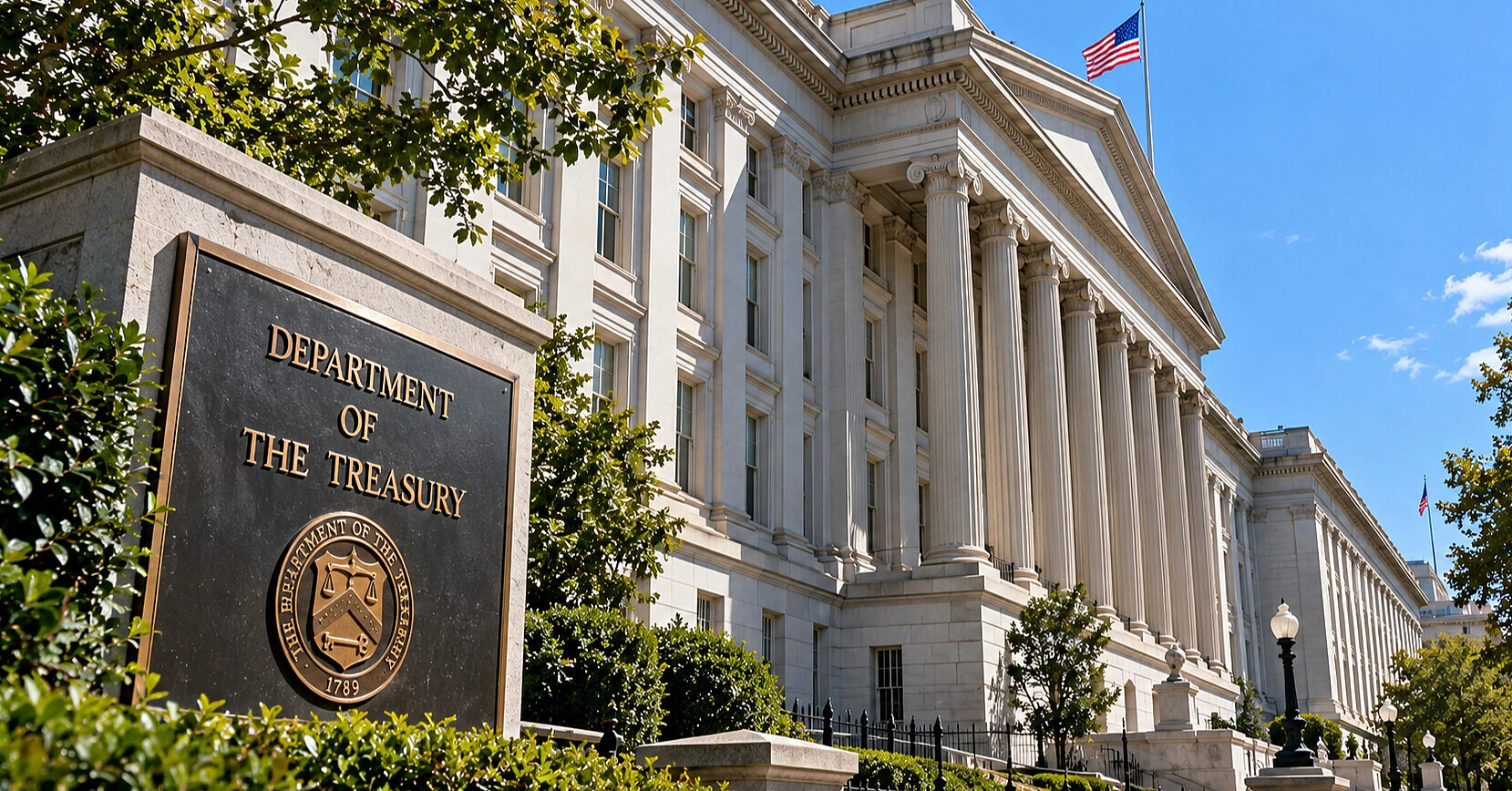
The US Treasury Department has for the first time imposed a monetary penalty under its program to control American investments in sensitive Chinese technologies. Amidi LLC must pay $200,000 for failing to notify authorities of an investment by its Chinese fund in a developer of artificial intelligence and robotics technologies.
This is stated in a Treasury Department announcement published on October 7. The agency itself imposed the fine back in July 2026.
According to the Treasury, on April 19, 2025, a Chinese investment fund controlled by Amidi invested about $92,500 into Shanghai Qiongche Intelligent Technology Company Limited, also known as Noematrix.
The Chinese company works on developments in artificial intelligence, robotics, and so-called embodied AI—systems in which artificial intelligence interacts with the physical world through robots and other devices.
Amidi is also the parent entity of an organization operating under the brand Plug and Play Tech Center, an American venture capital investor and startup accelerator.
The violation was not the investment itself, but that Amidi failed to file a mandatory notification about the transaction. US rules require companies to inform the Treasury of certain investments by their controlled foreign entities into specific Chinese technology companies.
The Outbound Investment Security Program has been in effect since January 2, 2025. It covers investments by US persons and companies in enterprises in China, Hong Kong and Macau operating in sensitive sectors—artificial intelligence, semiconductors and microelectronics, and quantum technologies. Some of these investments must be declared, and certain transactions are completely prohibited.
The Treasury said it detected the transaction during routine market monitoring. The agency stated that the first fine should show investors the authorities' readiness to enforce the new restrictions.
In December 2025, the US Congress also passed the COINS Act, which provides for further expansion of control over foreign investments—including into additional countries and technology areas.
