
Lithuania proposes EU to fully ban transit of Russian grain
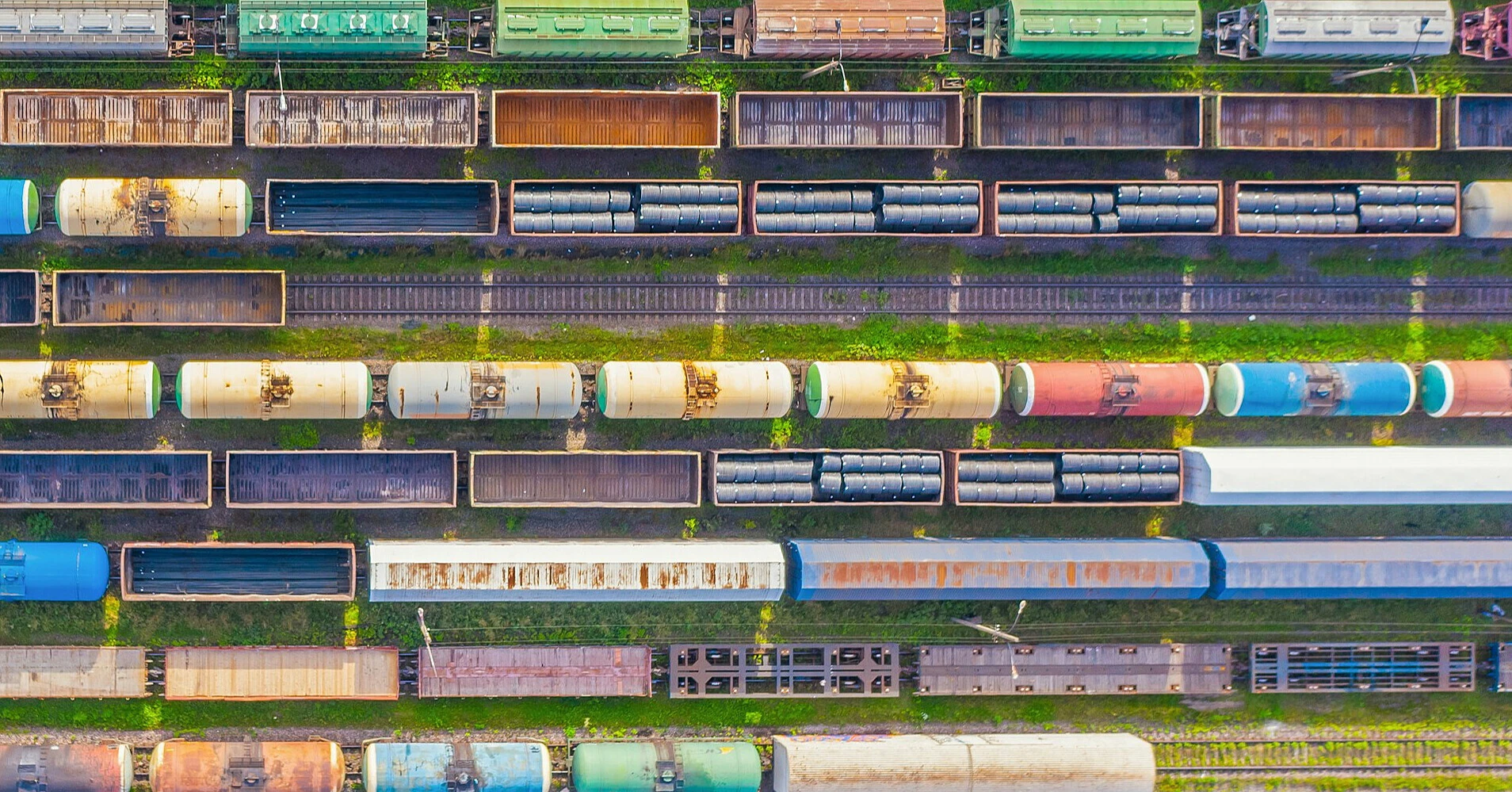
Lithuania will come up with an initiative to completely ban the transit of Russian food grain through the territory of the European Union. The country's authorities also propose imposing sanctions against representatives of Russian agribusiness who support the war against Ukraine.
This was stated on October 8 by Lithuanian Prime Minister Mindaugas Sinkevičius, reports BNS agency.
According to the head of government, Russia continues to use European ports, railways and other logistics infrastructure to export grain to world markets. At the same time, Russian troops attack Ukrainian ports, grain terminals and merchant ships, creating obstacles for Ukrainian agricultural exports.
Sinkevičius called this situation unacceptable and emphasized that current European restrictions leave room for transporting Russian agricultural products through EU territory.
"We will not allow the Russian war machine to earn profits using our infrastructure as a gateway to world markets", the prime minister said.
The Lithuanian government will propose at the EU level two additional restrictions: stopping the transit of Russian food grain and personal sanctions against certain Russian agrarian businessmen.
According to Sinkevičius, these are entrepreneurs who financially or otherwise support Russian aggression. Specific names of potential persons on the sanctions list have not yet been announced.
The prime minister also accused Russia of systematically exporting grain from occupied Ukrainian territories and then selling it on international markets.
Lithuania itself is already strengthening inspections of the origin of grain cargoes from Russia and Belarus. The authorities are trying to establish whether Ukrainian grain taken from occupied territories or mixed with products of Russian origin is being transported through the country.
Since the beginning of September, the Lithuanian State Food and Veterinary Service has been checking transit batches of grain. So far, five samples from two cargoes of unknown origin have been taken and sent to foreign laboratories. The results of the tests have not yet been received.
In addition, law enforcement agencies are checking the links of companies involved in grain export with Russian businessmen, as well as possible violations of current sanctions.
According to data from Lithuanian publication Lrytas, in the first eight months of 2026, about 47 thousand tons of grain of Russian origin were transshipped through the Klaipėda seaport. Mostly it was corn delivered by rail from Russia's Kaliningrad Oblast.
The port management explained that current legislation does not allow them to unilaterally stop the transportation of cargoes not subject to sanctions.
That is why the Lithuanian government considers it necessary to introduce additional restrictions at the level of the entire European Union.
Currently, the EU already restricts the import of Russian and Belarusian grain, but does not ban its transit to third countries.
In 2024, the EU introduced increased tariffs on grains, oilseeds and some processed products from Russia and Belarus. The aim was to effectively stop such products from entering the European market.
However, in the corresponding decision of the Council of the EU, it was specifically noted that the new tariffs do not apply to the transit of Russian and Belarusian goods through the Union's territory to third countries.
Thus, Russian exporters retained the opportunity to use the transport infrastructure of EU states to supply grain to markets outside the European Union.
The Baltic states have already begun to independently restrict such shipments. In particular, Estonia from October 1, 2026, banned the transit of grain of Russian and Belarusian origin.
In Latvia, at the end of September, control over the origin of grain cargoes was strengthened, and the parliament called on the government to prepare a mechanism for a complete cessation of transit of Russian and Belarusian grain.
Sinkevičius reported that he had repeatedly discussed this issue with the Prime Minister of Latvia. According to him, the positions of the two states on the need to restrict Russian grain transit coincide.
Earlier, "Kurs Ukrainy" reported that Russia is trying to redirect grain exports to Baltic and other alternative routes due to problems with supplies through the Black Sea. However, the capacity of these directions is still significantly inferior to the capabilities of Russian Black Sea ports.
Currently, a pan-European ban remains a proposal of Lithuania. To implement it, a corresponding decision by EU institutions is required. The timing of consideration of the initiative has not yet been announced.
Based on materials: BNS, Lrytas, Council of the EU
