
Turkey refuses to participate in offensive operations against the Houthis
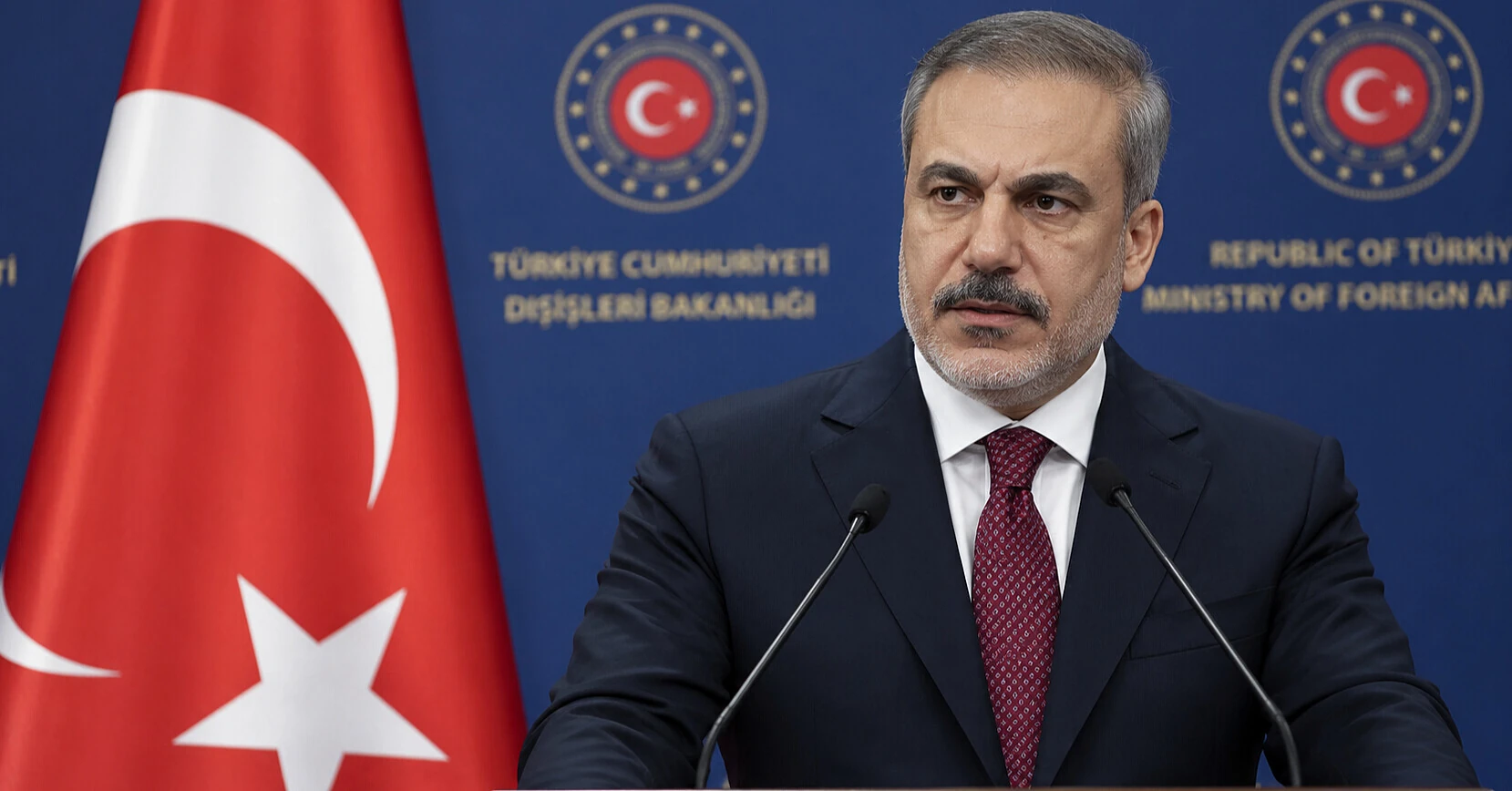
Turkey will not send its troops to conduct offensive operations against Yemeni Houthis as part of a defense agreement with Saudi Arabia and Pakistan. At the same time, Ankara is considering the possibility of providing Riyadh with military assistance, primarily in the field of air defense.
Turkish Foreign Minister Hakan Fidan said this on October 8 at a joint press conference with Hungarian Foreign Minister Anita Orban in Ankara, Bloomberg reports.
According to Fidan, the Mecca Agreement signed by the three states provides for mutual defense in the event of an attack on one of the parties, but does not provide grounds for conducting offensive military operations on the territory of other countries.
“This is a defensive agreement, not an offensive one. Turkey will not send troops to another country to carry out attacks on its territory,” — the head of Turkish diplomacy emphasized.
At the same time, the Turkish military continues to assess possible forms of support for Saudi Arabia, which is subject to missile and drone attacks from Iran-backed Yemeni Houthis.
Among the options under consideration are strengthening air defense, providing electronic warfare equipment and technical support. The specific composition of the assistance, its volumes and timing have not yet been announced.
Fidan also said that the preparatory work for submitting the defense agreement for ratification to the Turkish parliament has been completed. Thus, the document still has to undergo the necessary domestic procedures.
Saudi Arabia requested allied assistance
The Mecca Joint Defense Agreement was signed by Turkey, Saudi Arabia and Pakistan on August 7, 2026. The document stipulates that an armed attack on one of the parties is considered an attack on all three.
The agreement was concluded amid the escalation of the situation in the Middle East and the growing security threats to the Gulf states.
On October 5, representatives of the three countries held emergency talks in Riyadh after the latest Houthi attacks on Saudi territory. Following the meeting, the parties agreed to activate the collective defense mechanism and ensure the possibility of rapid deployment of military forces and means to protect the kingdom.
However, the decision did not mean automatic entry of all three states into hostilities on the territory of Yemen. The nature of military support should be determined separately, taking into account the needs of Saudi Arabia and the national procedures of each party to the agreement.
Fidan’s current statement clarifies Ankara’s position: Turkey is ready to participate in defensive measures, but excludes sending its troops for offensive operations against the Houthis.
The conflict in Yemen continues to escalate
The new stage of the military confrontation is connected with the intensification of Houthi attacks on Saudi Arabian facilities. The rebels use missiles and drones, striking military and civilian targets.
At the same time, Yemeni government forces supported by Saudi Arabia are conducting operations against the Houthis, seeking to regain control over territories in the west of the country, including near the Bab el-Mandeb Strait.
This area is of strategic importance for international shipping, as it connects the Red Sea with the Gulf of Aden and is part of one of the most important sea trade routes between Europe and Asia.
Fidan noted that Yemeni government forces are already conducting ground combat operations with the support of Saudi Arabia. At the same time, Turkey’s participation, according to his statement, should be limited to protecting the ally from attacks.
So far, Ankara has not announced specific arms supplies or the deployment of a military contingent. Further decisions will depend on negotiations between the military departments and the completion of the agreement ratification procedure.
Based on materials from: Bloomberg, Daily Sabah, Anadolu.
