
Trump promised not to strike Iran until the US congressional elections
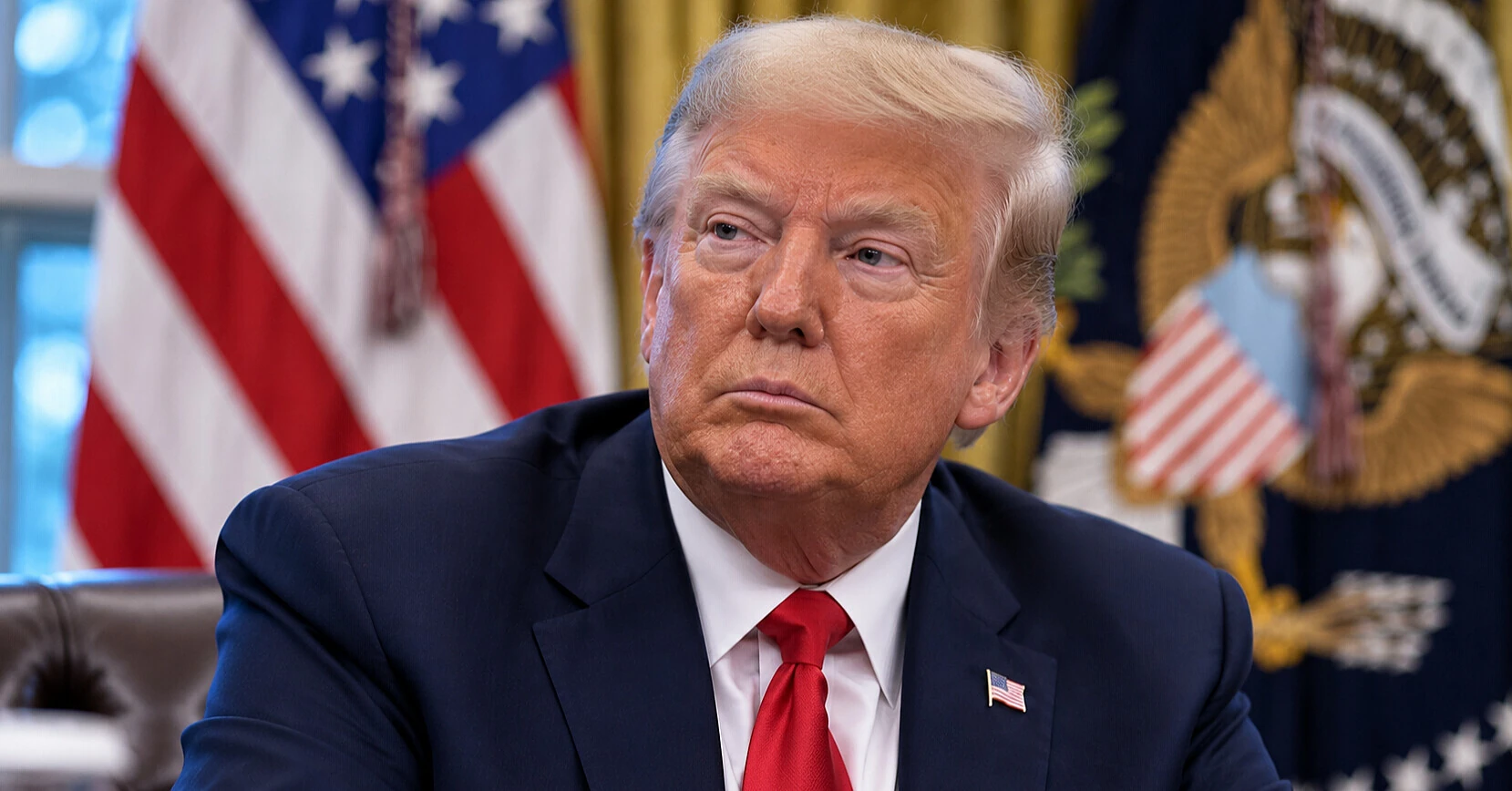
US President Donald Trump has stated that the American military will not resume strikes on Iran until the midterm elections to Congress, which will take place on November 3, 2026. At the same time, Washington continues negotiations with Tehran and maintains economic and military pressure on the Islamic Republic.
Trump announced this on October 8 on his social network Truth Social. His statement is reported by the New York Post and The Guardian.
The American president emphasized that the United States is holding productive negotiations with Iran. At the same time, he did not rule out resuming military action in the future if diplomatic efforts do not lead to an agreement.
The statement came amid reports by American media that the Pentagon was preparing a new large-scale military operation against Iran.
The US prepared for new strikes on Iran
The day before, on October 7, the publication Axios reported, citing informed sources, that the Pentagon tasked the US Central Command with completing preparations for possible large-scale combat actions against Iran.
According to journalists, potential targets could include energy infrastructure, nuclear facilities and other strategic sites in the country.
Axios sources claimed that the administration was considering various timelines for the operation, including the possibility of strikes before the congressional midterm elections.
At that point, a final decision to begin the military operation had not been made.
With his statement on October 8, Trump refuted assumptions about an intention to launch a new attack before the vote. However, he did not announce an abandonment of the military scenario altogether.
The American side continues to build up its military presence in the Middle East. Additional forces are being sent to the region, including the USS Theodore Roosevelt carrier strike group, whose arrival is expected by the end of October.
Washington and Tehran continue negotiations
Simultaneously, the US is making attempts to achieve a diplomatic settlement of the conflict.
According to Trump, negotiations with the Iranian side are proceeding productively. However, no specific agreements have been announced that would indicate an end to the confrontation.
One of the central issues remains the situation in the Strait of Hormuz—a strategically important sea route through which a significant portion of global oil and liquefied natural gas supplies pass.
Earlier, Washington rejected one of Iran's proposals related to restoring full shipping through the strait. Subsequently, the sides continued exchanging proposals on a possible settlement.
The American administration also insists on restrictions regarding Iran's nuclear program. Trump again stated that he will not allow Tehran to acquire nuclear weapons.
Despite the negotiations, US economic pressure on Iran remains, as do restrictions related to maritime shipping in the region.
The Iranian conflict remains a risk factor for the oil market
The American president's statement is significant not only for the situation in the Middle East but also for global energy markets.
The military confrontation between the US and Iran has been accompanied by threats to shipping in the Strait of Hormuz. Earlier, attacks on commercial vessels were recorded in the region, raising concerns about the stability of oil and gas supplies.
In early October, the price of Brent crude again surpassed $100 per barrel. Quotes were affected by reports of new attacks on tankers, risks of supply disruptions, and a possible expansion of the American military operation.
Washington's refusal to strike before early November may reduce concerns about immediate escalation. However, the statement itself does not guarantee an end to attacks on ships, restoration of unimpeded shipping, or achievement of a peace agreement.
In addition, American forces continue preparations for possible operations, and the White House retains the ability to reconsider further actions after the elections.
Trump links the development of the conflict with the November elections
The US midterm congressional elections are scheduled for November 3. Americans will elect all members of the House of Representatives and part of the Senate.
The war with Iran has become one of the topics of domestic political discussion in the US. Military spending, gasoline prices, and the risks of further expansion of the conflict are being discussed against the backdrop of the election campaign.
Back in September, Trump suggested that the confrontation with Iran could end after the November vote. He also linked the possible end of the conflict to prospects for lower oil prices.
At the same time, according to The Wall Street Journal, some advisers to the American president had previously allowed for a significantly longer confrontation with Tehran.
Thus, Trump's new statement defines the immediate period during which Washington does not intend to resume strikes but leaves open the question of future US military strategy after November 3.
Based on materials from: New York Post, Axios, The Guardian.
