
France admitted failure of joint tank of the future project with Germany
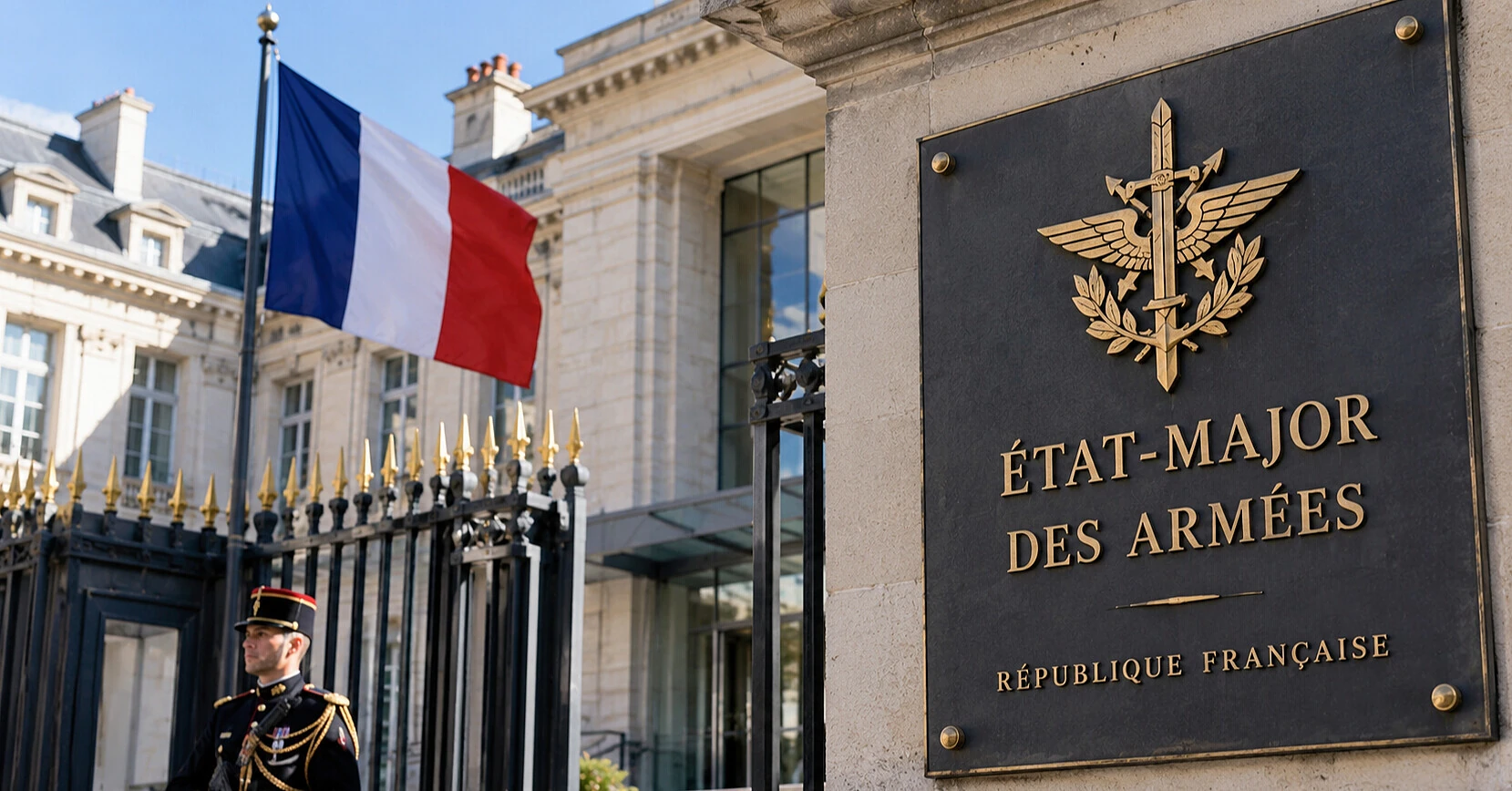
France has admitted the de facto failure of the joint program with Germany to develop the next-generation Main Ground Combat System (MGCS) tank. According to the Chief of the General Staff of the French Armed Forces, Fabien Mandon, the German side decided to withdraw from the project that was supposed to become the basis for the future armored forces of the two countries.
This is reported by Politico citing the French general's speech in parliament on October 8.
During hearings on next year's defense budget, Mandon told deputies that cooperation with Germany on the advanced tank had not produced the expected results.
“We hoped to develop the tank of the future together with the Germans, but unfortunately we are forced to admit that Germany has decided to withdraw from the project,” the general said.
This is one of the first public acknowledgments by the French military leadership of the de facto termination of the original MGCS program after several years of delays and disagreements between the participants.
French general acknowledged project problems
At the same time, Mandon stressed that he does not consider all the work done to be useless.
According to him, French and German military personnel for several years jointly determined the requirements for a next-generation main battle tank. The results obtained may be used in the development of future armored vehicles.
“This is not a complete failure. Germany made an important decision, but our ground forces worked together for several years to determine the shape of the future main battle tank. This time was not wasted. However, from an industrial point of view, this is bad news,” the Chief of the General Staff noted.
According to Politico, a spokesperson for the German Ministry of Defense declined to comment on the French general's statement.
Thus, at the time of publication, Berlin had not officially confirmed a complete withdrawal from the program. No legal termination of all agreements related to MGCS was announced either.
The project was intended to replace Leopard 2 and Leclerc
The Main Ground Combat System program was initiated by France and Germany in 2017 as one of the largest joint projects of the European defense industry.
Its goal was to create a new generation of armored combat vehicles for the gradual replacement of German Leopard 2 and French Leclerc tanks.
The developers envisioned not just a single tank, but a comprehensive combat system combining manned and unmanned platforms, modern sensors, weapons, and digital control.
The project involved major European defense manufacturers:
- KNDS France — the French branch of the armored vehicle manufacturer, formed on the basis of Nexter;
- KNDS Germany — the German branch, created on the basis of Krauss-Maffei Wegmann;
- Rheinmetall — German defense concern specializing in tanks and artillery systems;
- Thales — French technology group working in defense electronics and management systems.
The program was initially seen as the basis for long-term modernization of the two countries' armored forces. However, development was repeatedly delayed due to disagreements between companies and governments.
Germany and France failed to agree on the tank's future
One of the main problems of MGCS was the distribution of industrial orders, technological competences, and responsibility for the development of individual components.
French and German manufacturers competed for involvement in the creation of the armament, turret, chassis, and other key elements of the future combat vehicle.
Additional complications arose after Rheinmetall joined the project, as participants had to revise the initial work distribution.
Gradually, the very concept of the program changed.
In June 2026, the German government reported that Berlin and Paris had agreed to focus on researching advanced technologies that could be applied to various manned and unmanned armored vehicles.
This approach no longer required the mandatory creation of a single tank platform for the armies of both countries.
However, German government representatives at the time emphasized that Germany remains interested in cooperation with France.
Mandon's statement on October 8 indicates a further deterioration of the original project's prospects.
German companies are already developing alternatives
Amid the uncertainty surrounding MGCS, German defense companies began to develop their own directions for armored vehicle modernization.
In particular, Rheinmetall and KNDS Germany are working on promising solutions for the further development of the Leopard family.
One possible direction is the creation of a next-generation tank, referred to in industry publications as Leopard 3.
Previously, Rheinmetall CEO Armin Papperger warned that the joint MGCS program was moving too slowly.
In June, he reported that over the years of the project's implementation, the participating companies had received only about €25 million for development. The head of the concern also did not rule out the possibility of France's withdrawal from the program due to reduced funding.
Now the French military leadership claims that the decision to abandon cooperation was made precisely by Germany.
Another problematic European defense cooperation project
The MGCS situation unfolds several months after the termination of another major defense project involving France and Germany — the Future Combat Air System (FCAS).
It envisioned the creation of a next-generation combat air system, including a future fighter jet, unmanned systems, and a unified digital infrastructure.
Disagreements among participants in the aviation program also concerned the distribution of production work and control over technologies.
The de facto failure of both projects shows the difficulties European countries face when attempting to jointly develop complex weapons systems.
For France and Germany, this means the need to revise long-term plans for modernizing armored forces and to seek alternatives to the original MGCS concept.
At the same time, the future fate of individual technological developments and already concluded agreements remains uncertain.
Based on materials from: Politico, German Government, Deutschlandfunk.
