
In Russia, drones attacked Lukoil's oil refinery, fire reported
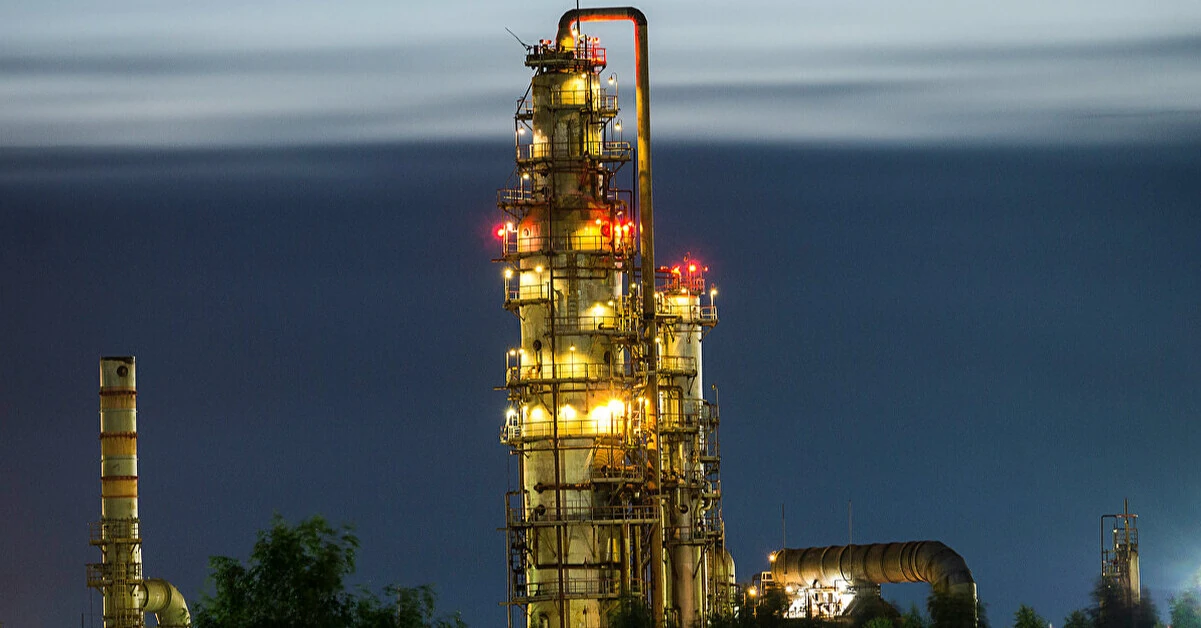
On the morning of October 9, drones attacked the Ukhta oil refinery in the Komi Republic (Russian Federation), owned by Lukoil. After the strike, thick smoke rose over the plant, and witnesses reported a fire. Russian authorities confirmed a drone attack on the region, but did not officially comment on damage to the refinery. Ukrainian President Volodymyr Zelenskyy confirmed the facility had been destroyed. According to him, long-range An-196 RS drones were used to strike the facility, which is located 1,900 kilometers from the Ukrainian border.
The independent Russian outlet Astra reported the strike on the plant, having conducted OSINT analysis of eyewitness videos. The footage of the attack and its aftermath was also published by the monitoring channel Exilenova+.
Based on geolocation analysis by Astra, the drones hit exactly the territory of the Ukhta refinery, an enterprise of LLC "Lukoil-Ukhtaneftepererabotka".
The released videos show a column of smoke rising from the industrial zone. According to Exilenova+, a fire broke out on the territory of the refinery after the attack.
The monitoring channel posted reports about the attack throughout the morning of October 9. In particular, after the first footage of the strike, new videos appeared, and eyewitnesses reported that the attack was ongoing.
At the time of the first reports, it was unknown which specific process units or other facilities of the enterprise could have been damaged.
Zelenskyy Reveals Details of Strikes on Russian Oil Refineries
On October 9, Ukrainian President Volodymyr Zelenskyy confirmed that the Ukhta Oil Refinery had been hit and revealed the types of drones used in the attacks on Russian oil refineries. According to him, the plant in Ukhta, located 1,900 kilometers from Ukraine’s state border, was attacked by An-196 RS drones with a range of about 2,500 kilometers.
For the strike on the Omsk oil refinery on October 8, the Ukrainian military used FP-6 drones—a modified version of the FP-1.
Zelenskyy emphasized that Ukraine continues to respond to Russian shelling. In addition, the president confirmed the destruction of yet another data center on Russian territory, calling such strikes a mirror response to attacks against Ukraine’s digital infrastructure.
Ukhta airport closed and schoolchildren evacuated
Head of the Komi Republic Rostislav Goldstein confirmed that the region came under a drone attack and Russian air defense forces attempted to repel it.
A drone danger regime was declared in the region. Sirens and explosions were heard in the city, and local residents reported sounds of shooting.
Due to the air threat, Rosaviatsiya temporarily suspended arrivals and departures at Ukhta airport. The restrictions were introduced at approximately 08:30 Moscow time.
In addition, schoolchildren in the city were evacuated to shelters. Local authorities urged the population to follow safety measures.
Ukhta Mayor Marina Meteleva stated that the situation is under control.
Meanwhile, there are currently no official reports on the scale of destruction at the refinery, possible production halt, or casualties directly at the enterprise.
The plant's capacity exceeds 4 million tons of oil per year
The Ukhta refinery is one of Lukoil's oil refining enterprises in northwestern Russia. The plant is located in the city of Ukhta, approximately 1,700 kilometers from the state border of Ukraine.
The enterprise belongs to Lukoil-Ukhtaneftepererabotka, a wholly-owned subsidiary of the Russian oil corporation.
The refinery's production capacity is about 4.2 million tons of oil per year. The main products of the enterprise are motor and straight-run gasoline, diesel fuel, fuel oil, and vacuum gasoil.
According to The Moscow Times, in 2025 the plant actually refined about 3 million tons of oil, which accounted for approximately 1.1% of Russia's total refining volume.
The enterprise supplies petroleum products to the Russian domestic market. Its production infrastructure includes primary oil refining units and equipment for obtaining additional fuel components from heavy oil residues.
Damage to such equipment may require lengthy repairs and affect production volumes. However, the economic consequences of the current attack can only be assessed after clarifying the nature of the damage.
The Ukhta refinery has already been hit by drone strikes
This is not the first attack on the enterprise located far from the Ukrainian border.
In August 2025, drones already reached the territory of the Ukhta refinery. At that time, according to Astra reports, one of the drones hit a tank at the plant.
On February 12, 2026, the Defense Forces of Ukraine confirmed another strike on the Ukhta oil refinery. The General Staff of the Armed Forces of Ukraine reported that the attack was carried out by units of the Security Service of Ukraine together with other components of the Defense Forces.
According to preliminary data from the Ukrainian military command, a fire broke out at the technological section of the atmospheric-vacuum distillation unit and the visbreaking unit.
Visbreaking is used to process heavy oil residues, reduce their viscosity, and obtain additional fuel components.
After the February strike, Russian authorities also confirmed a fire at the Ukhta refinery.
In addition, on March 2, 2026, a fire broke out again at the enterprise. According to Astra's video analysis, a rectification column of the primary oil refining unit was burning. The Russian Emergencies Ministry reported involving 26 rescuers and eight pieces of equipment in extinguishing. The cause of that fire was never officially established.
The General Staff of the Armed Forces of Ukraine has previously emphasized that the Ukhta refinery participates in supplying the Russian army with petroleum products.
Ukraine has continued strikes on Russian oil refining infrastructure in recent months, aiming to reduce the production capabilities of enterprises that supply fuel to the Russian economy and military needs.
The consequences of the October 9 attack for the production capacities of the Ukhta refinery remain unknown for now. Information about damaged equipment, possible shutdown of technological processes, and the scale of the fire requires clarification.
Based on materials from: General Staff of the Armed Forces of Ukraine, The Moscow Times
