
US imposes sweeping sanctions against the International Criminal Court
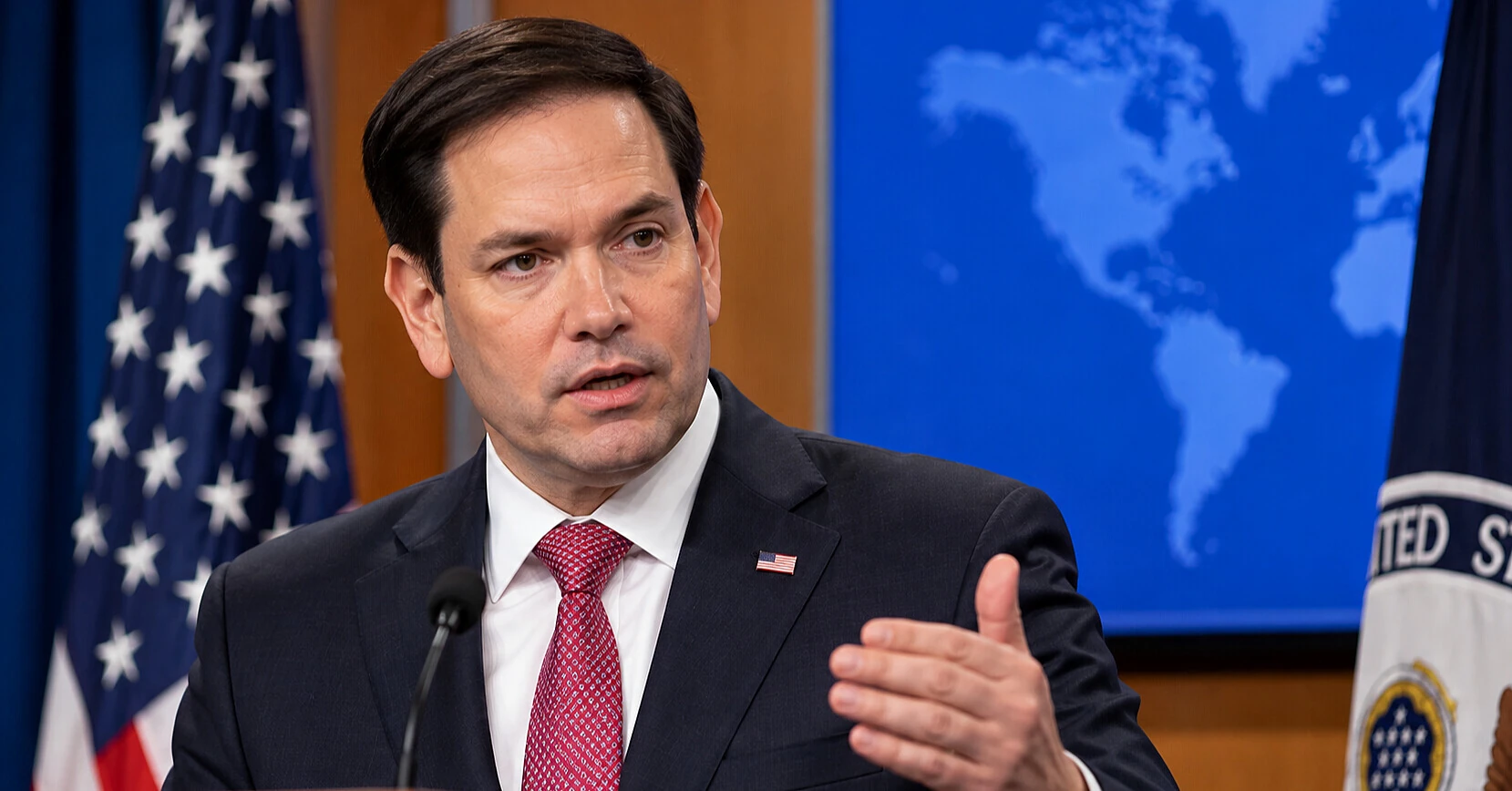
US President Donald Trump's administration on October 9 imposed sweeping sanctions against the International Criminal Court (ICC) in The Hague. The restrictions apply to the institution as a whole and include a ban on financial transactions with it. Washington intends to significantly limit the court's ability to continue its operations.
This was announced by US Secretary of State Marco Rubio, The Guardian reported.
According to Rubio, the US authorities intend to ban transactions with the ICC, cut off its access to financial resources, and limit its ability to conduct judicial proceedings against US citizens.
The new sanctions are considerably broader than previous restrictions, which targeted individual judges, prosecutors, and staff of the International Criminal Court.
As reported by the Financial Times, American companies will be given 180 days to end cooperation with the court. The restrictions could affect financial settlements, technological services, and other operations necessary for the institution's functioning.
“Either the ICC stops its threats, or we will put an end to the ICC,” — Rubio said, commenting on the administration's decision.
The Secretary of State stressed that the United States does not recognize the ICC's jurisdiction over American citizens and has no intention of allowing the prosecution of its military personnel and officials.
One of the main reasons for Washington's confrontation with the court were arrest warrants for Israeli leaders, including Prime Minister Benjamin Netanyahu. The US authorities previously also opposed the investigation into alleged war crimes by US service members in Afghanistan.
The US is not a party to the Rome Statute, under which the International Criminal Court operates. But the ICC may exercise jurisdiction over crimes committed on the territory of states parties to the Statute, regardless of the suspects' nationality.
The International Criminal Court was established in 2002 to investigate and prosecute individuals accused of genocide, crimes against humanity, war crimes, and the crime of aggression. Its jurisdiction is recognized by 125 states.
The ICC condemned the new US sanctions, calling them unprecedented interference in the work of an independent judicial institution. In its statement, the court said the restrictions are aimed at obstructing international justice and intimidating staff and organizations that cooperate with the ICC.
The institution emphasized that it will continue to fulfill its mandate regardless of political pressure, and called on states parties to the Rome Statute to ensure conditions for the court's further work.
Washington's decision also raised concerns among US European partners. European countries are considering ways to protect the ICC from the consequences of American restrictions, including mechanisms enabling European organizations to continue cooperating with the court.
It is noteworthy that the new sanctions were announced just hours after the 2026 Nobel Peace Prize was awarded to South African lawyer Navanethem Pillay, who served as a judge of the International Criminal Court from 2003 to 2008.
The Norwegian Nobel Committee recognized her long-standing work to strengthen international law and bring perpetrators of war crimes to justice. There is no confirmation that the US decision on sanctions is directly linked to the award.
For Ukraine, the ICC's work is of particular importance. The court is investigating alleged war crimes committed during Russian aggression, and has previously issued arrest warrants for Russian President Vladimir Putin and a number of Russian officials.
Since January 1, 2025, Ukraine has officially been a state party to the Rome Statute. Thus, the restrictions against the ICC affect the international judicial institution that is, among other things, investigating crimes committed on Ukrainian territory. The specific consequences of the new sanctions for Ukrainian cases have not yet been determined.
Sources: The Guardian, Financial Times, International Criminal Court, Norwegian Nobel Committee.
