

AI data centers being built faster than gas pipelines: Oracle has begun transporting compressed natural gas by truck
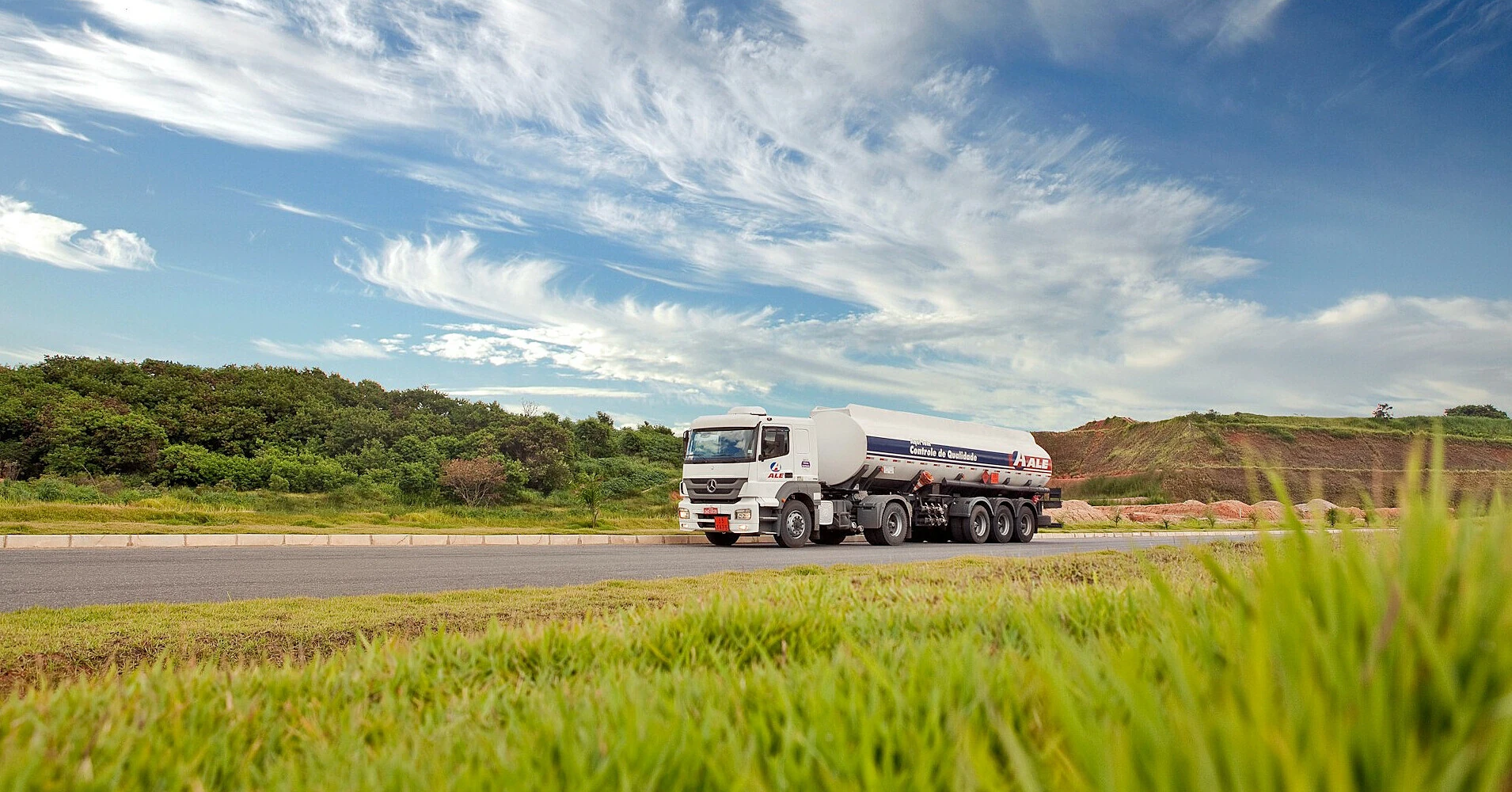
The race for artificial intelligence has led to an unusual situation: huge computing complexes in the US are being completed before the necessary energy infrastructure is connected to them. Oracle has been delivering compressed natural gas to one of its data centers by truck for over a year, using the same scheme at a site for OpenAI in Texas and considering it for another major project.
The reason is simple: modern data centers for artificial intelligence (AI) require a huge and continuous supply of electricity, and construction of a gas pipeline can lag the data center itself by months.
Instead of waiting, Oracle has effectively created a temporary "pipeline on wheels": gas is compressed, loaded into special trailers, delivered to the site and used there to generate electricity.
Why a technology company needed trucks of gas
Oracle is known primarily for software, databases and cloud services. But the AI boom has turned such companies into major builders of energy infrastructure as well.
To train and run modern artificial intelligence models, thousands of powerful accelerators must work simultaneously. All this equipment consumes huge amounts of electricity and requires a stable source of energy around the clock.
The problem is that buying servers and constructing a building can sometimes be faster than connecting the facility to the necessary power grids or gas pipelines.
Oracle faced exactly this situation.
According to Bloomberg, trucks with compressed natural gas supported a project near Salt Lake City for over a year while the company waited for the gas pipeline to be completed and connected to the data center’s equipment.
Gas is already being delivered to the site for OpenAI
This scheme has not been a one-off experiment.
Oracle is also using trucked gas during the initial phase of construction of a campus in Shackelford County, Texas. That site is being built for OpenAI, the company behind ChatGPT.
So behind the familiar chatbot for users lies infrastructure of a completely different scale: huge buildings with servers, power lines, cooling systems, power plants, pipelines — and now in some cases fleets of fuel trucks.
Companies doing such deliveries call the scheme a "virtual pipeline."
Gas is compressed and placed in special trailers, transported on regular roads, and at the site the pressure is reduced and the gas is fed into a power unit.
This allows bringing part of the computing capacity online without waiting for a full pipeline.
There is a serious downside: such gas can cost four times as much
Speed has to be paid for.
Jack Weixel of analytical firm East Daley Analytics estimated for Bloomberg that taking into account trucks, equipment, drivers and fuel, delivery of compressed natural gas can cost about four times more than buying gas directly at a major pipeline hub.
For a typical industrial project, that difference might make the option unattractive.
But the economics of AI data centers are unusual: delaying the launch of an expensive complex can also cost enormous amounts of money. If servers are ready and the customer awaits computing capacity, temporarily overpaying for energy may be more profitable than keeping the facility idle for months.
Now trucks may be needed for one of Oracle’s largest projects
The next site could be Project Jupiter in New Mexico — a huge data center campus that Oracle is building for OpenAI’s infrastructure.
The project is planned to be supplied by its own energy system with Bloom Energy fuel cells running on natural gas.
But the required gas pipeline is delayed.
The Green Chile pipeline was originally expected to come online in summer 2026. After route approval problems, it had to be rerouted, and the estimated in-service date was pushed to February 1, 2027.
According to Bloomberg, Oracle is now considering trucking compressed gas there as well so that early portions of the complex can start operating before the permanent pipeline is available.
Why not just connect a data center to the regular power grid
The scale of new computing centers makes that option less straightforward.
Demand from AI is growing so fast that in some regions existing power grids no longer have spare capacity to connect new giant facilities.
Building new transmission lines, power plants and substations can take years.
That is why technology companies increasingly try to generate electricity right next to their data centers — using gas turbines, fuel cells and other autonomous energy sources.
But even an on-site power plant does not completely solve the problem: fuel still has to get there somehow.
Oracle’s story shows that the energy bottleneck has moved to the next level. First companies lacked computing chips, then electricity capacity and connections became the problem, and now a delay in an ordinary gas pipeline can affect the launch of billions of dollars of AI infrastructure.
AI is beginning to change more than just the technology sector
For the average user, artificial intelligence looks like an app on a phone or in a browser. But the physical infrastructure behind it keeps getting larger.
Data centers compete for electricity, land, water, equipment and grid connections. In some places energy constraints are becoming one of the main factors determining when new computing capacity can be brought online at all.
Kurs has already written about the shortage of energy and infrastructure constraining construction of new data centers.
But Oracle’s trucks make the problem especially vivid: the artificial intelligence industry is developing so fast that in some cases technology companies are no longer waiting for traditional energy infrastructure to catch up — and are literally bringing the necessary fuel by road.