Zelensky criticized US decision on Russian diesel and warned of consequences
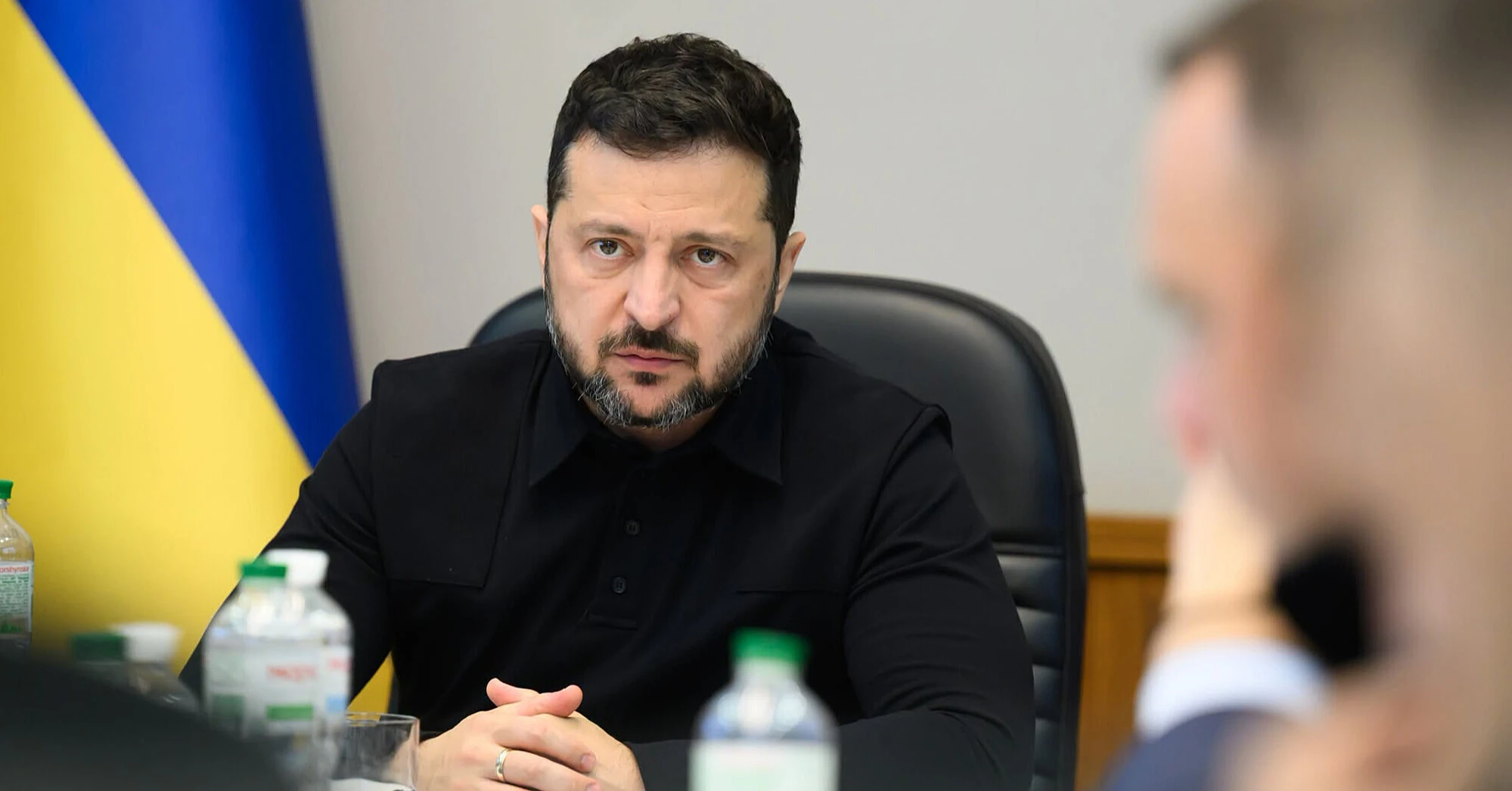
President of Ukraine Volodymyr Zelensky criticized the United States' decision to allow deliveries of Russian diesel fuel to the world market. In his opinion, easing sanctions pressure without stopping Russian attacks will not bring peace closer, but will give Moscow additional resources to continue the war.
Zelensky said this on October 9 in his evening address, published on Telegram.
The president commented on the telephone conversation between Donald Trump and Vladimir Putin, after which the American leader announced an agreement on the supply of Russian diesel fuel. The US Treasury Department also announced a temporary permit for the corresponding operations.
Zelensky warned that such decisions could lead to a further intensification of Russian attacks against Ukraine.
“Gifts to Putin will not work for peace or any benefit for the civilized world. Russia will 'thank' for the diesel with further terror and treachery. Allowing Russia to sell petroleum products is an investment in a war that needs to be ended, not continued,” the president said.
Zelensky called not to ease sanctions without stopping attacks
The Ukrainian president emphasized that any easing of sanctions must be accompanied by concrete and long-term agreements on de-escalation.
According to him, easing restrictions without counter obligations from Russia will be perceived by the Kremlin as a sign of weakness.
Zelensky believes that such an approach will allow Moscow to continue the war, increase the number of victims and will not ensure respect for the United States on the part of the Russian leadership.
As an example, he cited the recent decision of European countries to lift sanctions on individual Russian oligarchs. According to the Ukrainian president's assessment, after that the intensity of Russian strikes on civilian infrastructure did not decrease.
Zelensky recalled the Russian missile strike on a residential building in Pryluky, attacks with aerial bombs on Kramatorsk and shelling of energy infrastructure in Kyiv, Dnipro, Kharkiv, Odesa and other Ukrainian cities.
He stated that Russia resorts to such attacks trying to compensate for the lack of desired results on the front.
In Zelensky's opinion, the Kremlin simultaneously seeks to achieve informal agreements on easing international pressure in order to get more time and opportunities to continue hostilities.
Ukraine proposed US mutual cessation of strikes on energy infrastructure
In his address, Zelensky also reported on Kyiv's proposal regarding the cessation of mutual attacks on energy infrastructure.
Ukraine is ready to stop strikes on Russian oil refineries and other oil facilities provided that Russia stops attacking Ukrainian energy infrastructure.
“Ukraine will not burn Russian oil refining if Russia does not destroy our energy sector,” the president emphasized.
Zelensky noted that the American side is already familiar with this position of Kyiv. In his opinion, the United States has sufficient influence to achieve such an agreement.
He stressed that Ukraine advocates mutual and verifiable steps towards de-escalation, rather than unilateral easing of sanctions against Russia.
On the same day, Zelensky met in Kyiv with a bipartisan delegation of the US Congress. During the talks, they discussed strengthening American sanctions against Russia, ensuring Ukrainian air defense and further defense support.
The president expressed hope for the implementation of sanctions legislation promoted by Senator Lindsey Graham, which provides for additional restrictions on the Russian economy.
US agreed on large-scale deliveries of Russian diesel
Earlier on October 9, Donald Trump said that after a telephone conversation with Putin an agreement was reached to increase supplies of Russian diesel fuel to the American and world markets.
According to Trump's statement, Russia must immediately provide more than 300 thousand tons of diesel, another 500 thousand tons in November and an additional 1 million tons soon after that.
In addition, Moscow agreed to supply another 3 million tons of fuel depending on the condition of Russian oil refineries.
Thus, the total potential volume of supplies could reach about 4.8 million tons. At the same time, part of the declared volumes is conditional, and the actual implementation of the agreement has not yet been confirmed.
The American administration explained the decision by the need to reduce the cost of diesel fuel amid high world energy prices.
The US Treasury Department announced a temporary sanctions waiver for deliveries of Russian diesel to the international market. Detailed terms and duration of this permit require separate clarification.
Zelensky, for his part, stressed that the income Russia receives from the sale of petroleum products creates additional opportunities for financing the war.
The Ukrainian president called on Washington to use its influence not to ease pressure on Moscow, but to achieve real mutual de-escalation.
“We count on America's fair support for our protection of life, our people in Ukraine, and on a corresponding strong conversation between the United States and Russia. Strong, not weak,” Zelensky concluded.
Sources: Volodymyr Zelensky, Donald Trump on Truth Social, Financial Times.