

Zelenskyy risks new conflict with Trump ahead of US elections - Bloomberg
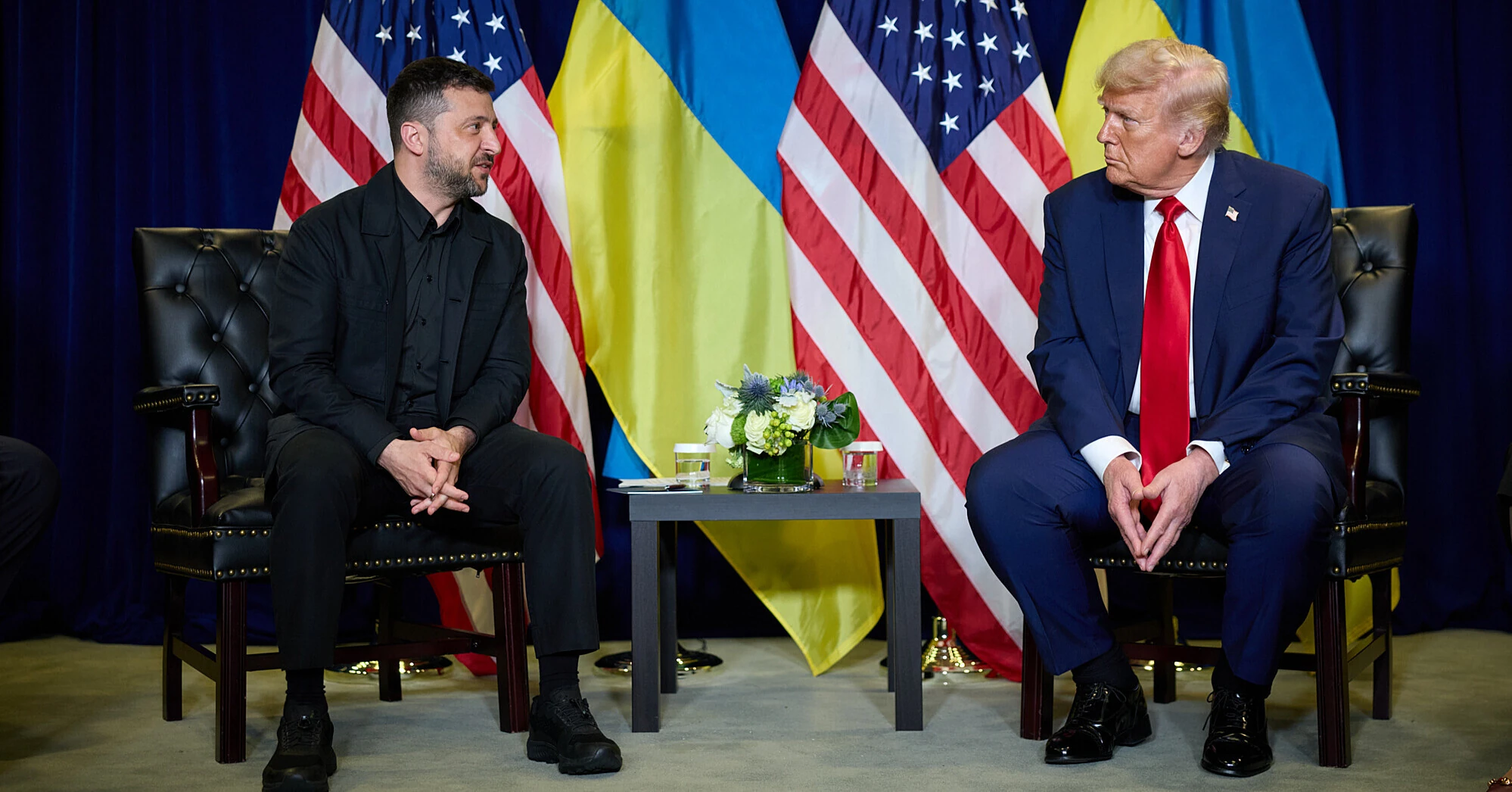
Relations between Ukrainian President Volodymyr Zelenskyy and American leader Donald Trump are facing the risk of a new serious escalation. Ahead of the US midterm elections, Washington is increasingly demanding an end to Ukrainian strikes on Russian oil refineries, linking them to rising fuel prices for American consumers.
This is reported by Bloomberg, analyzing the deterioration of relations between Kyiv and Washington and the possible consequences for military support for Ukraine.
According to the agency, the Trump administration increasingly views Russia's war against Ukraine through the lens of internal US economic problems. High gasoline and diesel prices have become an important political issue ahead of the November elections, and the White House is trying to increase fuel supply on the global market.
This explains the increased American pressure on Ukraine over its attacks on Russian refineries. For Kyiv, such strikes remain one of the ways to inflict economic damage on Russia and limit its ability to finance the war. Trump, however, believes that they contribute to higher fuel prices in the US.
A new stage of tension began after Trump's agreement with Vladimir Putin on Russian diesel fuel on October 9. According to Bloomberg sources, the Ukrainian delegation after that prematurely ended negotiations with American representatives in Miami.
During the meeting, US special envoy Steve Witkoff and Jared Kushner reminded the Ukrainian negotiators that Washington remains an important supplier of weapons and intelligence. In their opinion, Kyiv should not conduct operations that negatively affect American consumers.
Some Bloomberg interlocutors perceived these words as an indirect warning about a possible restriction on intelligence sharing. At the same time, an American administration official previously denied to Axios that Witkoff and Kushner threatened the Ukrainian delegation with ending cooperation.
According to the Financial Times, American officials also warned European partners about a possible blocking of the PURL mechanism, through which NATO countries purchase American weapons for Ukraine. No official decisions on ending such supplies have been announced so far.
Additional contradictions were caused by Trump's statement on October 11 about an allegedly achieved energy truce between Russia and Ukraine. Zelenskyy said that Kyiv is ready to support a cessation of strikes on energy infrastructure subject to mutual commitments from Moscow. Russia did not confirm the agreement, and attacks on Ukrainian energy facilities continued.
Previously, Trump also publicly questioned Zelenskyy's continued tenure as President of Ukraine, suggesting considering a change in the country's leadership.
Former Trump Russia advisor Fiona Hill believes that attempts by the American president to directly influence Ukrainian domestic politics could create significantly more serious problems for Kyiv than previous diplomatic conflicts.
Such a crisis in relations between the two presidents already occurred on February 28, 2025. Then, negotiations between Zelenskyy and Trump in the Oval Office of the White House escalated into a public dispute involving US Vice President JD Vance. The American side accused Zelenskyy of insufficient gratitude for aid, and the planned signing of an agreement on Ukrainian minerals fell through.
After that meeting, Washington temporarily suspended military aid to Ukraine and intelligence sharing. Cooperation was later restored after negotiations between delegations of the two countries in Saudi Arabia.
The current escalation may have particularly serious consequences due to Ukraine's dependence on American weapons systems. In particular, Kyiv is experiencing a constant shortage of interceptor missiles for Patriot systems, which remain the main means of countering Russian ballistic missiles. European partners finance a significant portion of procurement, but they cannot fully replace American supplies.
In addition to military needs, Ukraine is facing financial difficulties on the eve of the fifth war winter. According to International Monetary Fund estimates, the country's external financing deficit in 2027 may exceed $30 billion.
At the same time, Trump's decision on Russian diesel has drawn criticism within the US as well. Seven senators from both parties called on the administration to abandon the agreement, saying that importing Russian energy contradicts legislative restrictions imposed after Russia's full-scale invasion.
While Washington tries to contain fuel prices, Moscow continues attacks on Ukraine. According to Zelenskyy, in the past week alone Russian forces used about 1,450 guided aerial bombs, 75 missiles, and over 1,640 strike drones.
Based on materials from: Bloomberg, Axios, Financial Times