

British PM claims Russia interfered in Brexit referendum
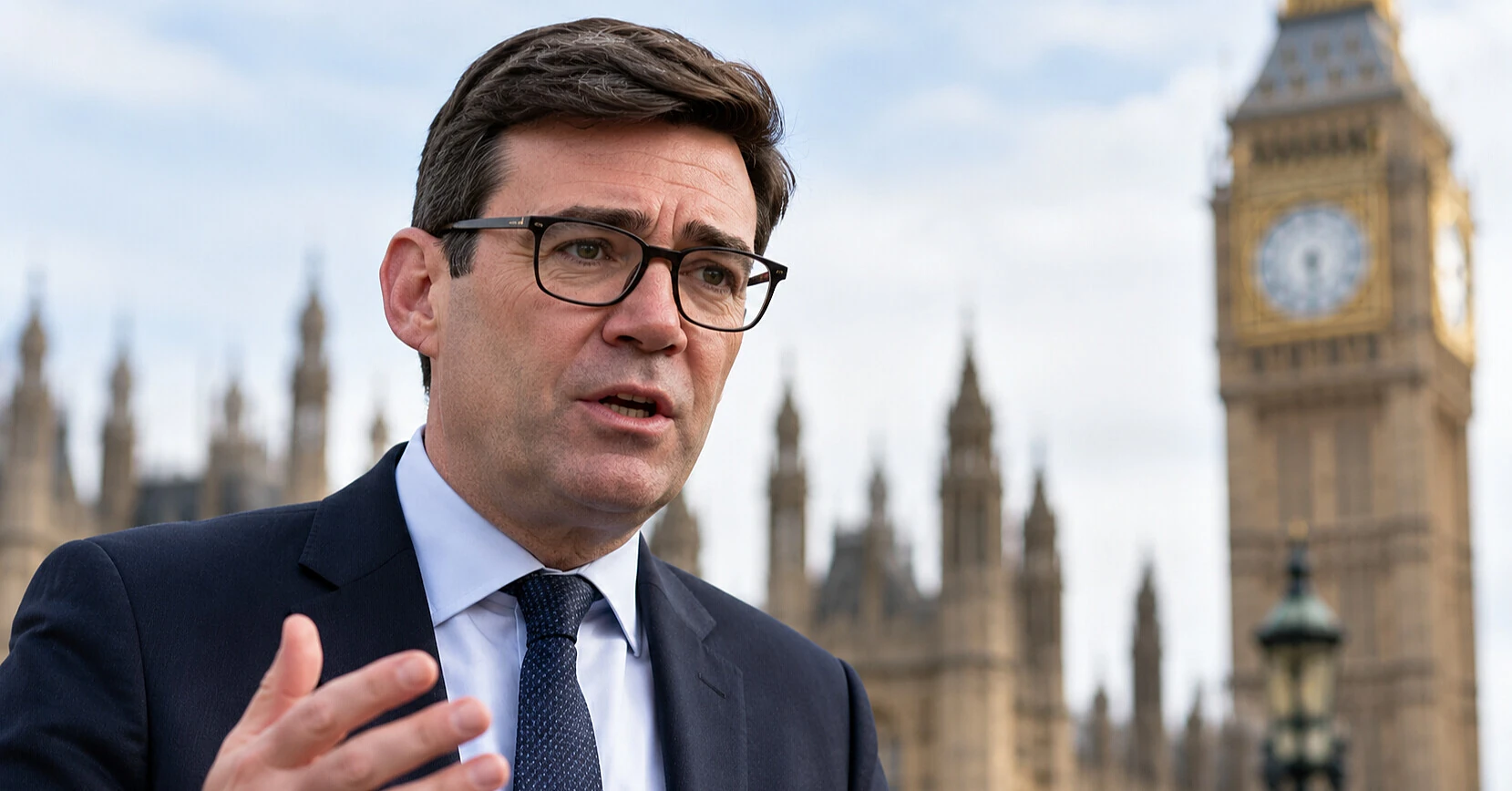
British Prime Minister Andy Burnham has said that Russia interfered in the 2016 referendum, as a result of which the country decided to leave the European Union. This is the first such direct public acknowledgement of Russian interference by a sitting head of the British government.
This is reported by the BBC, citing Burnham's interview for The Rest is Politics podcast, details of which became known on October 11.
According to the prime minister, after taking office in July 2026, he asked the relevant services whether Moscow had tried to influence the Brexit referendum. The answer he received, Burnham claims, was unequivocal: Russian interference indeed took place.
However, the head of government did not specify who exactly provided him with this information, what methods Russia used, or how large-scale the interference was. He also did not release evidence of the impact of Russian operations on the outcome of the vote.
Burnham's statement differs from the position of previous British governments. Previously, London stressed that it had no evidence of successful Russian interference in the 2016 referendum, during which about 52% of voters supported the UK leaving the EU.
The issue of possible Moscow interference had already been raised in 2020. Then the parliamentary Intelligence and Security Committee published a report on Russian influence in the UK. The document mentioned studies of the spread of pro-Brexit materials by Russian state media RT and Sputnik, as well as the use of bots and trolls on social media.
MPs criticized the government and intelligence services for the lack of a full assessment of attempts to influence the referendum. The committee stressed that establishing the mere fact of foreign interference is important regardless of whether the result of the vote was changed.
Burnham also warned that Russia continues to conduct similar information operations against other European countries, including Germany and France. In his opinion, citizens are not sufficiently informed about the scale of external attempts to influence political processes.
During a meeting with German Chancellor Friedrich Merz on October 8, the British prime minister discussed the threat of Russian disinformation and its possible impact on German politics.
Following the talks, London and Berlin announced a new partnership to counter hybrid threats. It provides for the exchange of information, joint detection of hostile operations, fight against cyberattacks, and protection of critical infrastructure.
In addition, the British government has commissioned the creation of a National Information Defence Centre, which will deal with the detection and neutralization of information campaigns by foreign states, including the spread of disinformation and falsified materials.
Meanwhile, Brexit supporters criticized the prime minister's statement. The organization Britain Unbound called it an attempt to question the legitimacy of the decision of British voters. The group acknowledged the inadmissibility of foreign interference in elections, but stressed that there is no evidence of its influence on the referendum result.
Thus, the new statement by the British prime minister concerns confirmation of attempts of Russian interference, not establishing their impact on the Brexit result. The government has not yet presented a public assessment of such impact.
Based on materials from: BBC, Intelligence and Security Committee of the UK Parliament, UK Government