

Merz rejected Trump's diesel deal with Russia and called for tougher sanctions
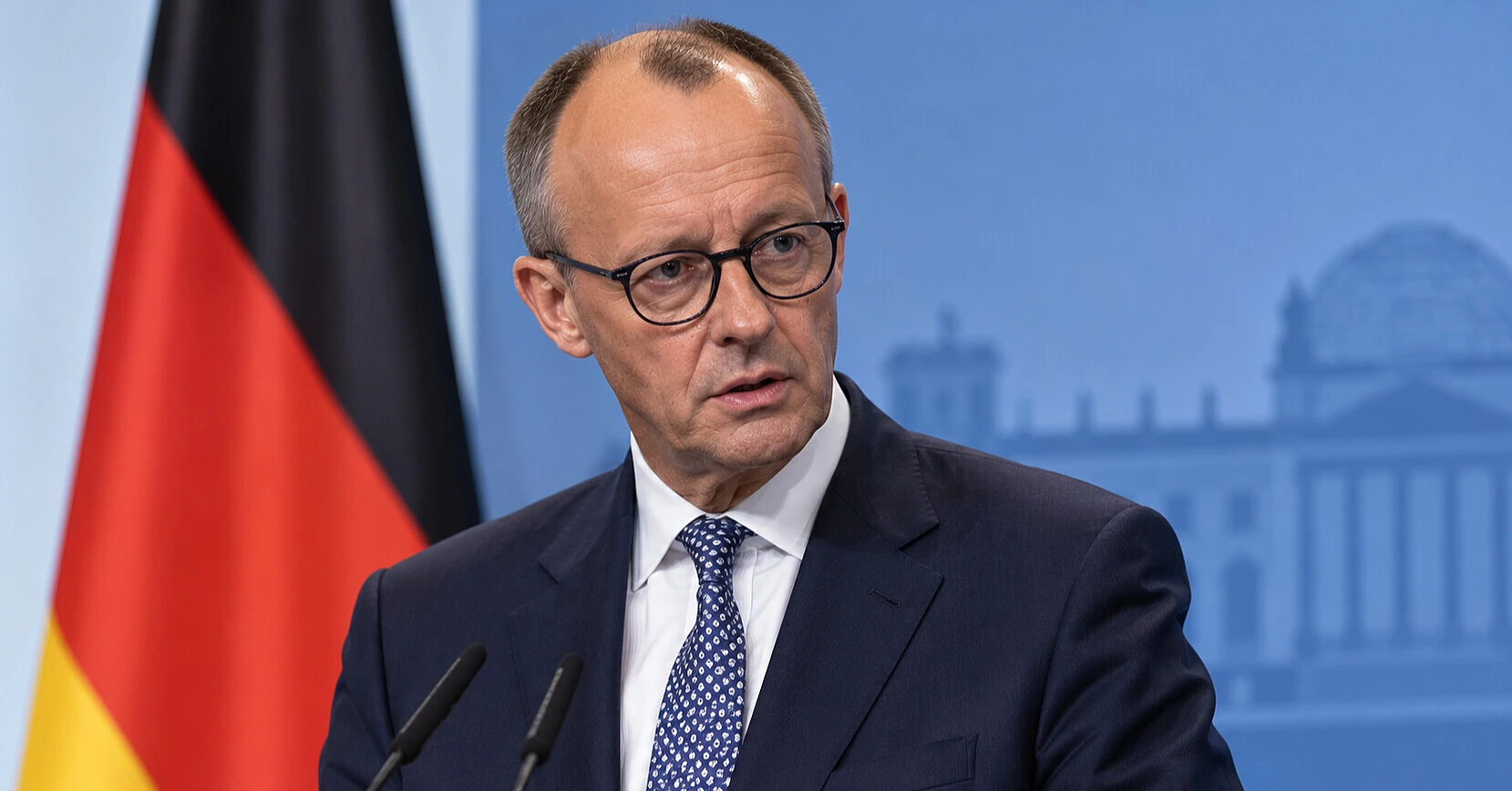
German Chancellor Friedrich Merz spoke out against an agreement between US President Donald Trump and Vladimir Putin on supplies of Russian diesel fuel. He said that Germany and other European countries have no intention of following Washington's example and will continue sanction pressure on Moscow.
This was reported on Monday, October 12, by the German news agency dpa, citing a statement from the head of the German government.
Merz noted that Berlin took note of the arrangement between the US and Russia on resuming diesel fuel exports, but considers such a decision unacceptable for European countries.
“For Germany and Europe, such a decision is out of the question. Russia will only engage in serious negotiations under pressure, and that is exactly why we are maintaining our sanctions against Russia,” — the chancellor stressed.
According to him, European states should not weaken restrictions, but continue to increase economic pressure on Moscow in order to achieve real steps toward ending the war against Ukraine.
Merz called for tougher sanctions after Russian attacks
The German Chancellor separately focused on the ongoing Russian strikes on Ukrainian energy infrastructure.
He said that Moscow's actions demonstrate a lack of readiness for serious peace talks. In Merz's assessment, Russia is not showing any intention to respond positively to diplomatic initiatives.
The head of the German government paid special attention to Donald Trump's proposal to halt mutual attacks on energy facilities in Ukraine and Russia.
Merz noted that after this initiative appeared, Russian forces continued massive strikes on civilian energy infrastructure in Ukraine.
In his opinion, such actions require further tightening of European sanctions, not offering Moscow new opportunities to earn revenue from energy exports.
The Chancellor stressed that Ukrainian President Volodymyr Zelensky can continue to count on the support of Germany and European partners.
Trump agreed with Putin on Russian diesel supplies
On October 9, US President Donald Trump announced that after a conversation with Vladimir Putin, an agreement was reached on additional supplies of Russian diesel fuel to the American and global markets.
According to the terms announced by Trump, Russia is to provide:
- more than 300 thousand tons of diesel fuel — in the near future;
- another 500 thousand tons — during November;
- an additional 1 million tons — shortly thereafter.
The American president also stated the possibility of supplying another 3 million tons of diesel fuel depending on the condition of Russian oil refineries.
Trump explained the agreement by the need to increase fuel supply on the global market and lower prices for American consumers.
To implement the agreement, the American administration announced a temporary easing of certain sanctions restrictions related to Russian diesel supplies.
However, Washington's decision drew criticism in Ukraine and European capitals. Opponents of the agreement fear that additional export revenues will allow Moscow to increase funding for the war.
Europe intends to maintain restrictions against Russia
Merz's position is consistent with the approach of the German government to sanctions against Moscow that was voiced earlier.
As early as October 10, German government spokesman Stephan Cornelius said that Berlin does not intend to review restrictions following the United States.
According to him, Germany continues to implement existing sanction decisions and is working with European partners on additional restrictions.
The government also stressed that support for Ukraine in confronting Russian aggression remains unchanged.
The European Union reacted negatively to the US-Russian agreement on diesel fuel, as it contradicts the European strategy of limiting Russia's energy revenues.
Thus, differences have emerged between Washington and Berlin regarding instruments of economic pressure on Moscow. The American administration hopes to use Russian supplies to stabilize the fuel market, while Germany advocates maintaining and further strengthening sanctions until real progress is made in ending the war.