

Gold recovers from September slump: precious metals market overview
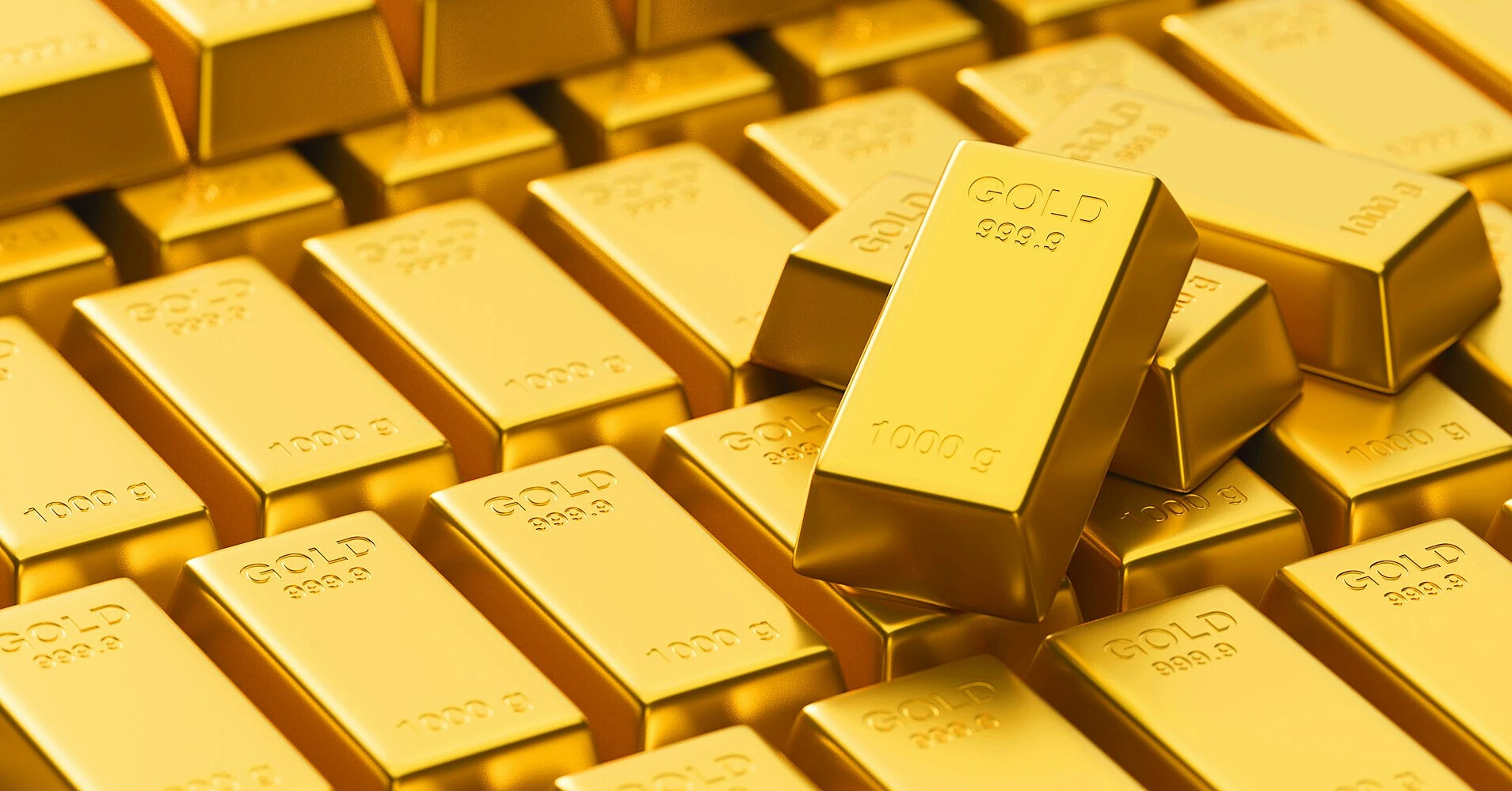
In October 2026, the precious metals market remains influenced by several factors: expectations regarding Federal Reserve interest rates, dollar dynamics, geopolitical risks, demand from central banks and industry.
Gold traditionally attracts investors seeking to protect capital from uncertainty, silver depends on both investment and industrial demand, while platinum and palladium are especially sensitive to the situation in the automotive industry.
At the same time, purchasing physical metal — a gold or silver bar — differs from investing through exchange-traded instruments. In addition to global quotes, the final cost is affected by the hryvnia exchange rate, bank markup, bar size, and the difference between the selling price and the buyback price.
What is happening on the global precious metals market
As of October 13, 2026, the market remains volatile. After a noticeable decline in September, gold is trying to recover, but investors are still assessing the risks of a new acceleration of inflation and possible tightening of the Fed's policy.
Spot market quotes on October 13, 2026, according to Reuters:
- Gold (XAU) $4,185.69 +0.4% for the day;
- Silver (XAG) $60.42 +0.2% for the day;
- Platinum (XPT) $1,697.40 +0.7% for the day;
- Palladium (XPD) $1,144.30 +0.1% for the day.
Gold: correction after strong growth
In September, gold fell 8.5% to $4,176 per troy ounce. According to the World Gold Council, pressure on prices came from the strengthening dollar and rising US Treasury yields. Meanwhile, global gold ETFs received about $10 billion in net inflows during the month — evidence that some investors continued to increase their holdings in the metal even during the price decline. World Gold Council: September review.
On October 13, gold edged higher amid falling oil prices, which eased inflation concerns. However, upcoming releases of US consumer and producer price indices could again shift expectations regarding Fed rates. Higher interest rates typically reduce gold's attractiveness because it does not yield interest.
Silver: dual dependence on investors and industry
Silver is supported by interest in precious metals and industrial consumption. Unlike gold, it is widely used in solar panels, electronics, and other technological sectors.
Therefore, silver's outlook depends not only on the dollar exchange rate and Fed policy, but also on expectations regarding industrial production. In the event of a worsening economic environment, the metal may face additional pressure even when gold is in demand as a safe-haven asset.
Platinum and palladium: industrial demand is important
Platinum and palladium differ from gold in their stronger dependence on the production cycle. Both metals are used in the automotive industry, primarily in the production of catalysts. Their prices are influenced by vehicle production volumes, the transition to electric vehicles, substitution of one metal for another, and mining situation.
Therefore, an increase in these metals does not necessarily mean that the entire precious metals market will move upward at the same pace.
What to expect next
In the near term, key factors will include:
- US inflation. Higher readings could strengthen the dollar and exacerbate pressure on metals.
- Fed decisions. Signals of rate cuts could support gold and silver.
- Geopolitics and oil. Escalation of conflicts usually increases interest in safe-haven assets, but can also heighten inflation risks.
- Industrial demand. For silver, platinum, and palladium, this remains an independent pricing factor.
Thus, the recent decline in gold has not yet eliminated investment demand for the metal, but neither does it guarantee a quick return to highs. For investors, it is fundamentally important to consider not only the direction of global quotes, but also currency risks and costs involved in buying and later selling physical metal.
Which Ukrainian banks sell bank metal bars in 2026
In Ukraine, individuals can buy bank metals with physical delivery. However, the availability of this service does not mean that bars are available at all branches or that the bank sells all four metals. Before purchasing, you need to clarify stock availability, bar weight, price, and buyback terms.
Currently, the following banks sell bank metals in Ukraine:
- PrivatBank;
- MTB Bank;
- Cominbank;
- RWS Bank.
Availability and sales conditions should be confirmed directly through the bank's hotline.
How much do bank metals cost in Ukraine
The accounting prices of the National Bank of Ukraine as of October 9, 2026, were:
| Metal | Accounting price per troy ounce |
| Gold | 185,061.47 UAH |
| Silver | 2,638.58 UAH |
| Platinum | 73,966.11 UAH |
| Palladium | 50,712.19 UAH |
These are accounting prices, not mandatory selling prices for bars to the public. Bank quotes can differ significantly due to manufacturing costs, delivery, bar size, and commercial markup.
When choosing a bar, it is worth comparing not only the purchase price but also the price at which the bank is willing to buy the metal back. The relative markup is especially high for small bars weighing 1–5 g. It is also important to keep the certificate and original packaging, as their condition can affect buyback terms.
Conclusion: In October 2026, the precious metals market remains sensitive to the dollar, inflation, and Fed decisions. Buying physical bars allows you to own the metal directly, but does not guarantee profit: for a Ukrainian buyer, the result depends simultaneously on global quotes, the hryvnia exchange rate, and the difference between bank buy and sell prices.