

US discussed return of Russian gas with Zelensky: how much Ukraine lost after its stoppage and who opposes it in the EU
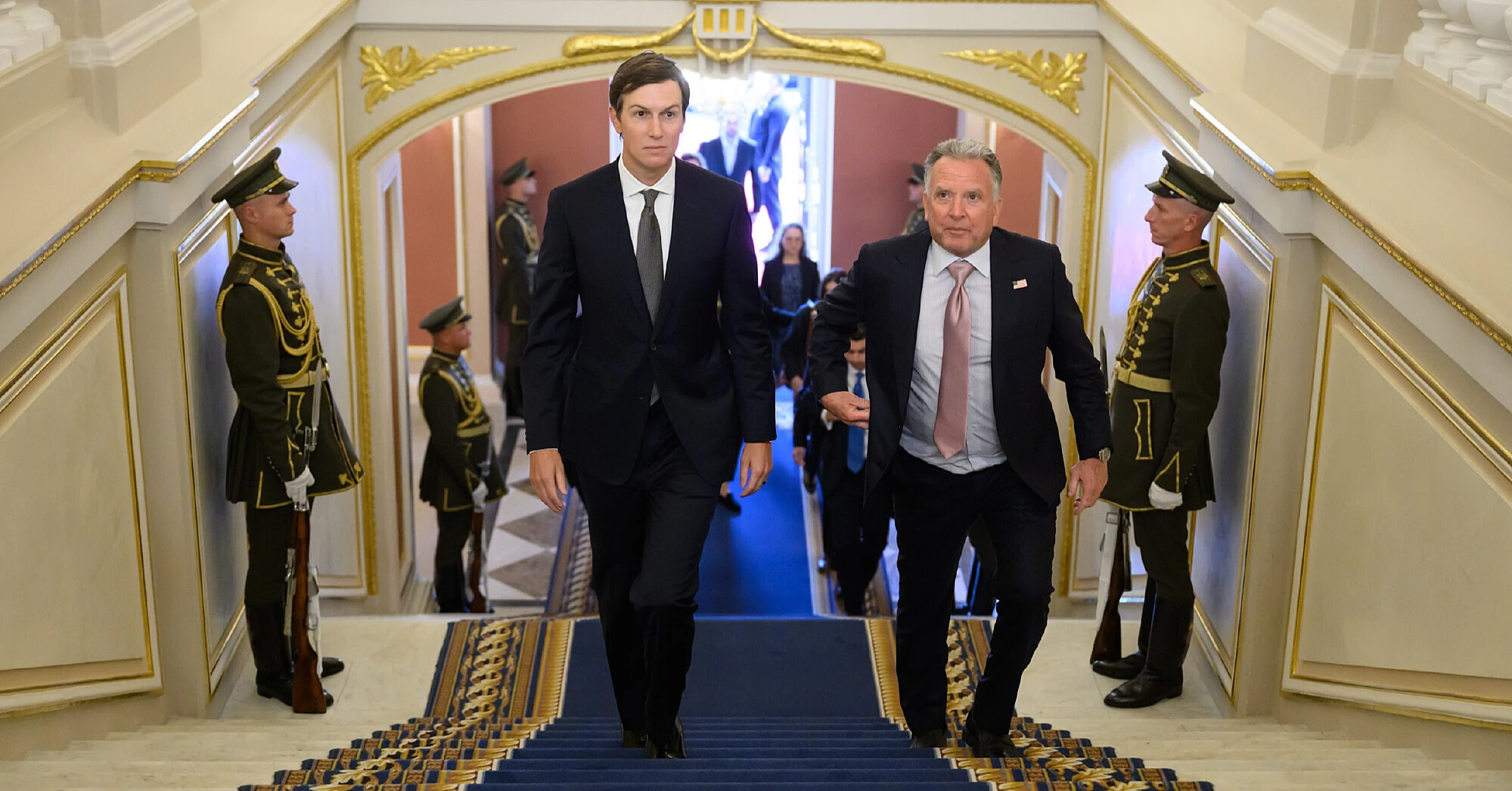
American negotiators Steve Witkoff and Jared Kushner discussed with Vladimir Zelensky the resumption of transit of Russian gas through Ukraine as part of a possible peace agreement. The return of supplies could restore part of Kyiv's revenues, which lost about €900 million in annual income after transit stopped. However, the proposal met resistance in Europe, including from the closest adviser to German Chancellor Friedrich Merz.
The New York Times revealed new details of the negotiations on October 17, citing sources familiar with the discussions. According to them, Witkoff and Kushner raised the issue of resuming Russian pipeline gas supplies at meetings with Ukrainian and European representatives, including Zelensky during a September visit to Kyiv.
Washington considers returning Russia to the European gas market as one of the economic incentives for ending the war. American representatives point to Ukraine's potential transit revenues and the possibility of increasing gas supply to European consumers.
How much money Ukraine lost after transit stopped
Ukraine stopped transit of Russian gas on January 1, 2025, refusing to extend the expired contract with Gazprom.
The NYT estimates that after the cessation of supplies, Ukraine lost about $1 billion, or about €900 million, in annual transit fees.
Resuming operation of Ukraine's gas transportation system in the previous direction could theoretically return part of these revenues. However, specific supply volumes, future tariffs, and the revenue distribution mechanism have not yet been agreed.
Moreover, transit payments should not be equated with the state's net profit: operation and maintenance of gas transportation infrastructure also require expenses.
Earlier Kurs.com.ua reported on a broader American proposal envisaging the return of Russian energy resources to the European market and possible distribution of revenues between Ukraine and Russia. The new NYT publication reveals additional circumstances of the discussion of the initiative and the reaction of European participants in the negotiations.
Who opposed the return of Russian gas to the EU
According to the NYT, the American idea met the harshest resistance from Germany, the country which, before Russia's full-scale invasion, was the largest European buyer of Russian gas.
Particularly sharply against resuming supplies was Günther Sautter, security adviser to German Chancellor Friedrich Merz. As two sources of the newspaper reported, he expressed objections during negotiations held in Florida in October.
The German position is connected not only with economics but also with security. According to a European official familiar with Berlin's approach, Russian gas will not cease to be Russian, even if it is sold through an intermediary.
In the German government, there are fears that restoring previous energy ties would again make Europe vulnerable to possible supply cuts by Moscow.
According to the NYT, other European participants in the consultations also viewed the proposal negatively. In this case, it concerns a reaction to the negotiating initiative, not a new formal decision of the European Union.
Why resuming supplies will not be easy
In January 2026, the EU Council finally approved a regulation on the gradual cessation of imports of Russian natural gas.
For long-term contracts, the ban on Russian liquefied gas is set to take effect from January 1, 2027, and on pipeline gas from September 30, 2027, with possible postponement until November 1 under certain conditions.
Thus, the return of significant volumes of Russian gas would require not only a political agreement but also resolution of legal issues connected with existing European restrictions.
The scale of change in energy policy is evident from statistics. In 2021, Russia provided about 45% of the EU's gas imports, while in 2025 its share decreased to 13%.
Can Washington itself profit from the return of gas
The NYT publication contains another noteworthy detail. Some European and Ukrainian officials assume that the US may try to get a share in future Russian gas exports, ensuring the participation of American companies or the state in relevant commercial projects.
However, for now these are expectations of the publication's interlocutors, not a confirmed demand by Washington or an agreed condition of peace settlement.
Earlier Reuters reported on contacts between US and Russian representatives regarding possible participation of American investors in the Nord Stream pipelines. At the same time, the White House denied holding recent talks directly about resuming their operation.
As of October 18, there is no consent of Ukraine or the European Union to the restoration of large-scale Russian gas supplies. It is also unknown whether Moscow is ready to make concessions in peace negotiations in exchange for the prospect of increasing gas exports.
The American initiative remains for now a discussed economic element of a possible agreement. For Kyiv, it is connected with the prospect of returning lost transit revenues, for Moscow, with access to the European market, and for the EU, with the risk of restoring energy dependence, which European countries sought to get rid of for several years.
Sources: The New York Times, Deutsche Welle, Ukrainska Pravda, Council of the European Union