

Zelensky's response to Trump raises alarm among European officials - FT
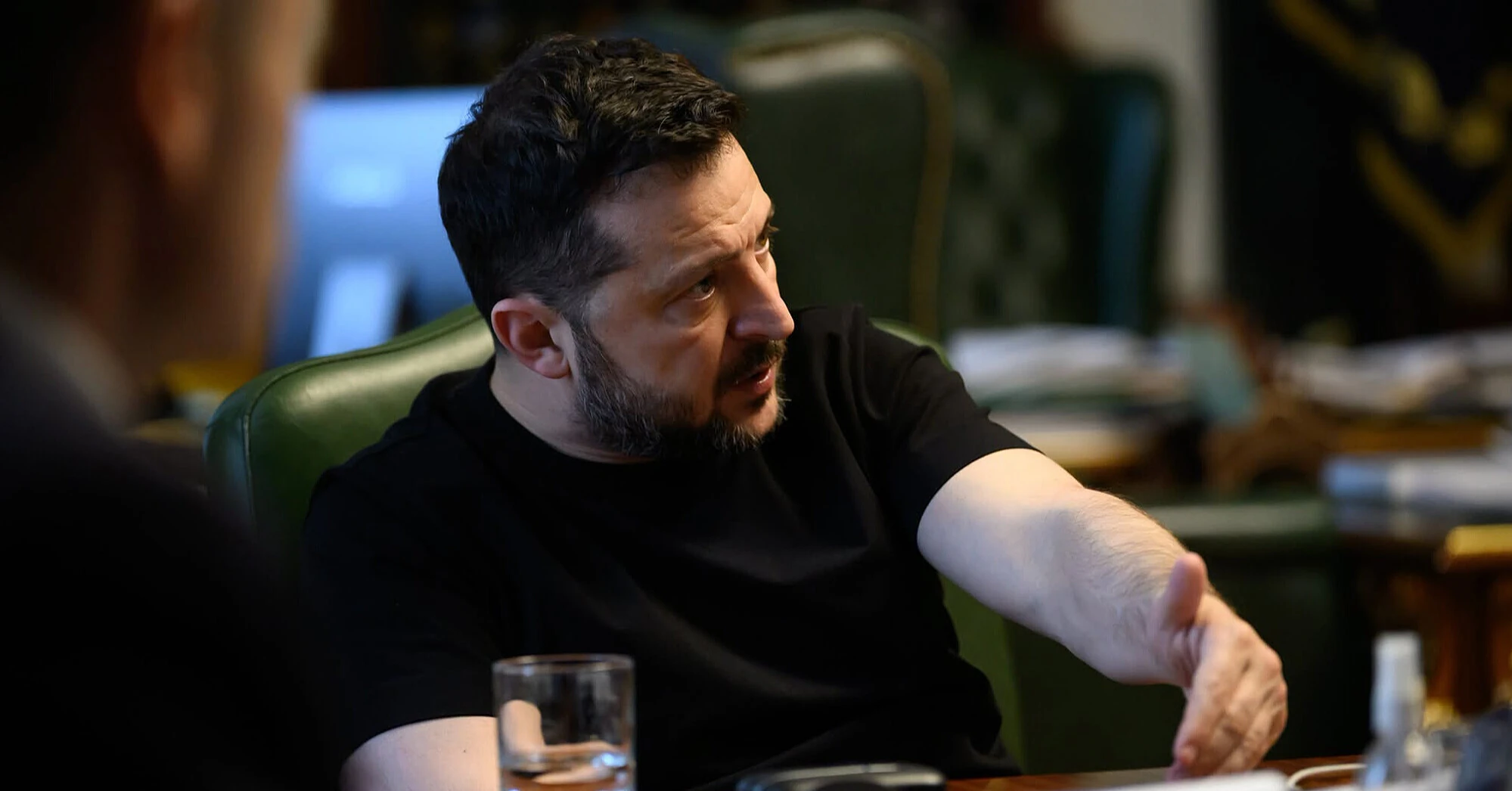
The dispute between Ukrainian and US Presidents Volodymyr Zelensky and Donald Trump over the supply of Russian diesel fuel has raised concern among some European officials. They fear that further deterioration of relations between Kyiv and Washington could negatively affect the security of Ukraine and Europe.
Financial Times reported this on October 13, citing participants of the Warsaw Security Forum.
According to several European officials, Zelensky's response to Trump's diesel deal with Russia caused noticeable discomfort. They fear that the public confrontation between the two presidents could escalate into a larger diplomatic conflict.
Of particular concern is the possibility of reduced American support for Ukraine at a time when Russia continues to attack Ukrainian energy infrastructure and European countries are preparing for new security threats.
Zelensky's statement heightened European fears
On October 12, during an online appearance at the Warsaw Security Forum, Zelensky questioned the effectiveness of Trump's agreement with Vladimir Putin to increase the supply of Russian diesel fuel to the world market.
According to the Ukrainian president, Russia can export 300,000 to 500,000 tons of diesel per month, while world consumption is about 120 million tons. Therefore, he expressed doubt that the agreement would have a significant impact on world prices.
Zelensky also stated that it would be more appropriate for the US to conclude a "diesel deal" with Ukraine, since Ukrainian strikes affect the operation of Russian oil refineries and the possibility of transporting petroleum products by sea.
These words came amid Trump's demands to stop Ukrainian attacks on Russian oil infrastructure. The US president links such strikes to the rising cost of diesel, which has become one of the economic problems of the United States ahead of the midterm congressional elections.
According to American media, Trump administration officials warned Kyiv about the possible consequences of continuing the strikes, including limiting intelligence sharing and access to American weapons.
However, the United States has not announced an official decision to stop such support. Additionally, a US official denied reports of a direct ultimatum on intelligence in a comment to Axios.
European officials divided in assessments
Financial Times notes that European politicians and experts do not have a unified position on Washington's behavior and ways to respond to it.
Some of the publication's interlocutors, while negatively assessing the US diesel agreement with Russia and pressure on Ukraine, consider it important to maintain White House involvement in diplomatic efforts to end the war.
In their view, even with serious disagreements, continued engagement with the Trump administration is better than the complete removal of the US from conflict resolution.
Another group of FT interlocutors criticizes European governments for an excessive desire to avoid disputes with Trump. They believe Europe needs to focus on reducing strategic dependence on Washington, rather than constantly adapting to the policies of the American president.
Nathalie Tocci, an expert at the Bocconi University Institute for European Policy, pointed out a contradiction in the behavior of European politicians.
According to her, forum participants received the speech of the Supreme Commander of NATO Allied Joint Forces in Europe, American General Alexus Grynkewich, positively, focusing on the Alliance's readiness to repel a possible Russian attack.
However, the question remains to what extent US political leadership is ready to support the relevant defense plans.
Tocci believes that European officials are aware of the risks at an individual level but have not yet been able to develop a coordinated response to the unpredictability of US policy.
Dispute unfolds against backdrop of energy ceasefire claims
On October 9, Trump announced an agreement with Putin on additional export of Russian diesel fuel. For its implementation, the US Treasury temporarily eased some sanctions restrictions.
Subsequently, the US president claimed an energy ceasefire had been reached between Russia and Ukraine.
However, Zelensky reported that Kyiv had not been informed of such a deal in advance, and the Russian army continued attacks on Ukrainian energy facilities.
The Ukrainian president stressed that Kyiv is ready to stop strikes on Russian oil refineries and oil exports on the condition that Moscow also stops shelling Ukraine's energy system.
Thus, the main concern of European partners remains not the diesel discussion itself, but the risk of weakening American support for Ukraine due to a political conflict between the two presidents.
Based on: Financial Times, Office of the President of Ukraine, Axios