

Saudi-led coalition strikes oil facilities in Yemen
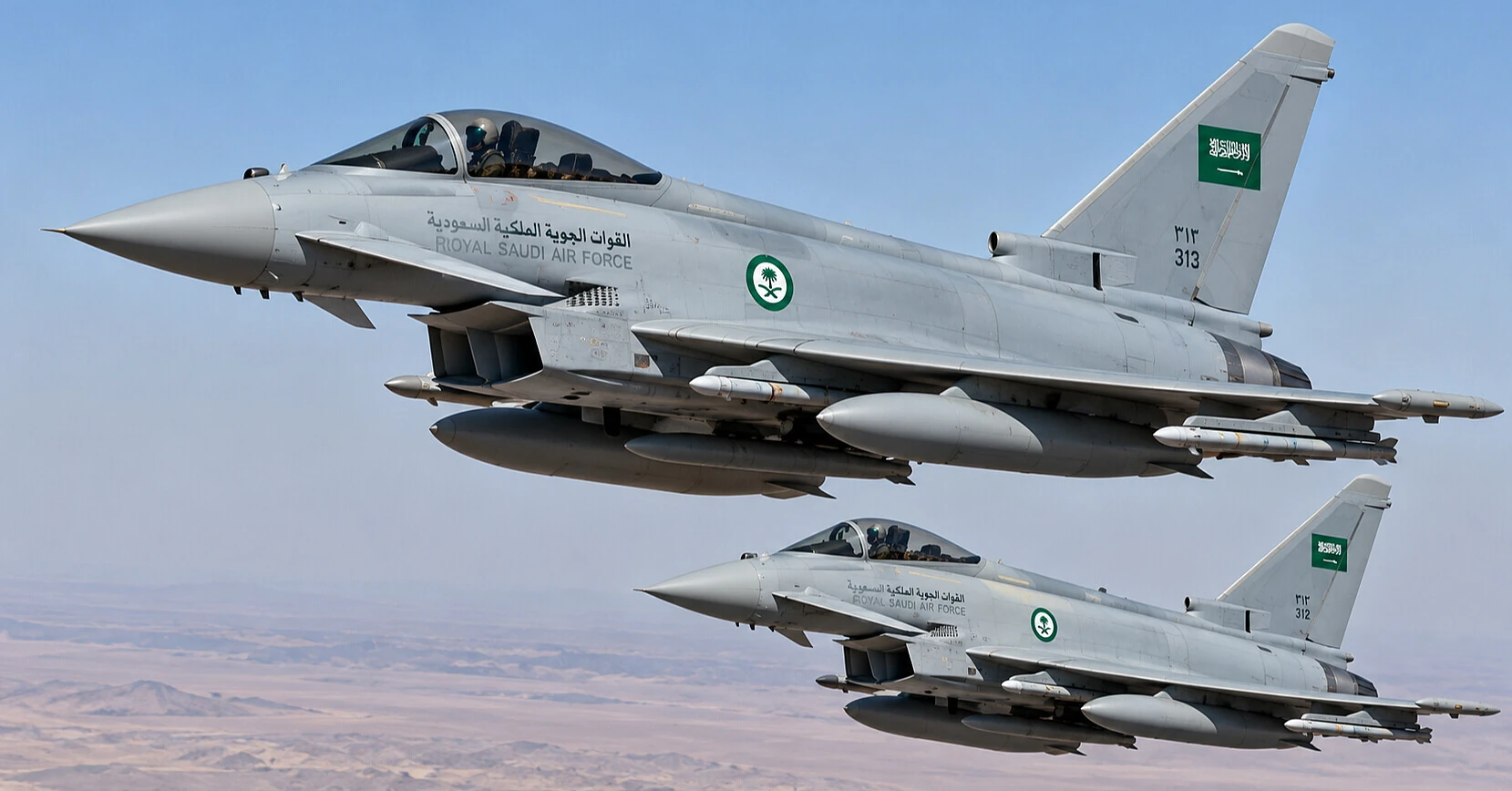
The Saudi-led military coalition carried out a series of airstrikes on Yemen's oil infrastructure controlled by the Houthis. Fuel storage facilities on the outskirts of the capital Sanaa were hit, as well as sites near the port of Ras Isa on the Red Sea coast. The escalation came amid ongoing Houthi attacks on airports and oil enterprises in Saudi Arabia.
The British newspaper The Guardian reported this on Tuesday, October 13. Information about the strikes was also distributed by Al Jazeera and Houthi-linked Yemeni media.
According to the publication, one of the main targets was the central Saba oil depot on the western outskirts of Sanaa. The facility houses large tanks typically used to store petroleum products.
Before the start of the operation, the command of the Saudi-led coalition warned local residents to leave the area of the oil depot and surrounding areas. Coalition spokesman Major General Turki al-Maliki issued a warning with a map of the facility.
Soon after the evacuation announcement, residents of Sanaa reported explosions. The Houthi-linked Al Masirah TV channel stated that Saudi aviation struck oil facilities in the western part of the city.
The Houthi-controlled Yemen Petroleum Company claimed that the tanks at the facility were empty. According to its statement, the attack should not affect fuel supplies and provisioning for the local population.
Meanwhile, there is still no independent assessment of the scale of destruction or the amount of petroleum products destroyed.
The Guardian also reports strikes on oil storage facilities near the port of Ras Isa in Hodeidah province. According to the publication, these facilities were hit in a series of attacks aimed at limiting the capabilities of Houthi armed formations.
In addition, Saudi forces earlier attacked a suspected Houthi leadership hideout in the Bani Muin area of Saada province in the north of the country.
Houthis threatened strikes on Saudi Arabia's oil facilities
After the Saudi-led coalition's warning, Houthi military spokesman Yahya Saree issued a threat of retaliatory strikes on the kingdom's territory.
He stated that if Sanaa is attacked, the armed formations will strike back at Riyadh. At the same time, the Houthis called on workers and civilians to leave areas near Saudi Aramco oil company facilities.
Among possible targets, the Houthis named Saudi Aramco's headquarters in Dammam, the oil refinery in Riyadh, and King Khalid International Airport.
The group's representative declared the kingdom's oil facilities potential military targets and warned of risks to civilians nearby.
The Houthis also reiterated warnings to international airlines about using Saudi Arabia's airspace and airports.
Strikes followed attack on Riyadh airport
The current escalation came after a massive Houthi missile attack on King Khalid International Airport in Riyadh on October 10.
The strike killed 13 people and wounded more than 300. The attack seriously disrupted airport operations and led to international flight restrictions.
Following the shelling, several major carriers, including Air France-KLM, Lufthansa, Air India and others, suspended flights to Saudi Arabia and neighboring countries.
Earlier, leaders of several of the world's largest oil companies canceled trips to an energy congress in Riyadh due to the deteriorating security situation.
Among them were representatives of ExxonMobil, BP, Shell and TotalEnergies. The companies feared new missile strikes on the Saudi capital.
A new phase of armed confrontation began in September when the Houthis seized strategically important territory near the Bab el-Mandeb Strait, which connects the Red Sea with the Gulf of Aden.
In response, Saudi Arabia supported an offensive by forces of Yemen's internationally recognized government aimed at regaining control of the seized areas.
In recent days, fighting has also intensified near the city of Taiz, where the Houthis have moved closer to residential areas and begun launching missile strikes.
Escalation heightens threats to regional oil infrastructure
The exchange of strikes on energy facilities creates additional risks for Saudi Arabia's oil infrastructure and the security of maritime shipping through the Red Sea.
The Bab el-Mandeb Strait is one of the most important routes for global trade. Ships carrying oil, petroleum products and other cargo between Europe and Asia pass through it.
The current flare-up comes amid the ongoing conflict between the US and Iran, which is already affecting shipping in the Persian Gulf and the Strait of Hormuz.
Meanwhile, there is still no confirmed data on any oil supply disruptions directly resulting from the October 13 strikes. It is also not established how seriously the attacked oil storage facilities in Yemen were damaged.
The sides continue to trade threats of new attacks. The Saudi-led coalition is trying to limit the Houthis' military capabilities, while the movement warns of expanding strikes on oil enterprises and transport infrastructure in the kingdom.
Based on materials from: The Guardian, Al Jazeera, Naharnet.