

Hungary begins to lift Orbán-era restrictions: parliament changes controversial law
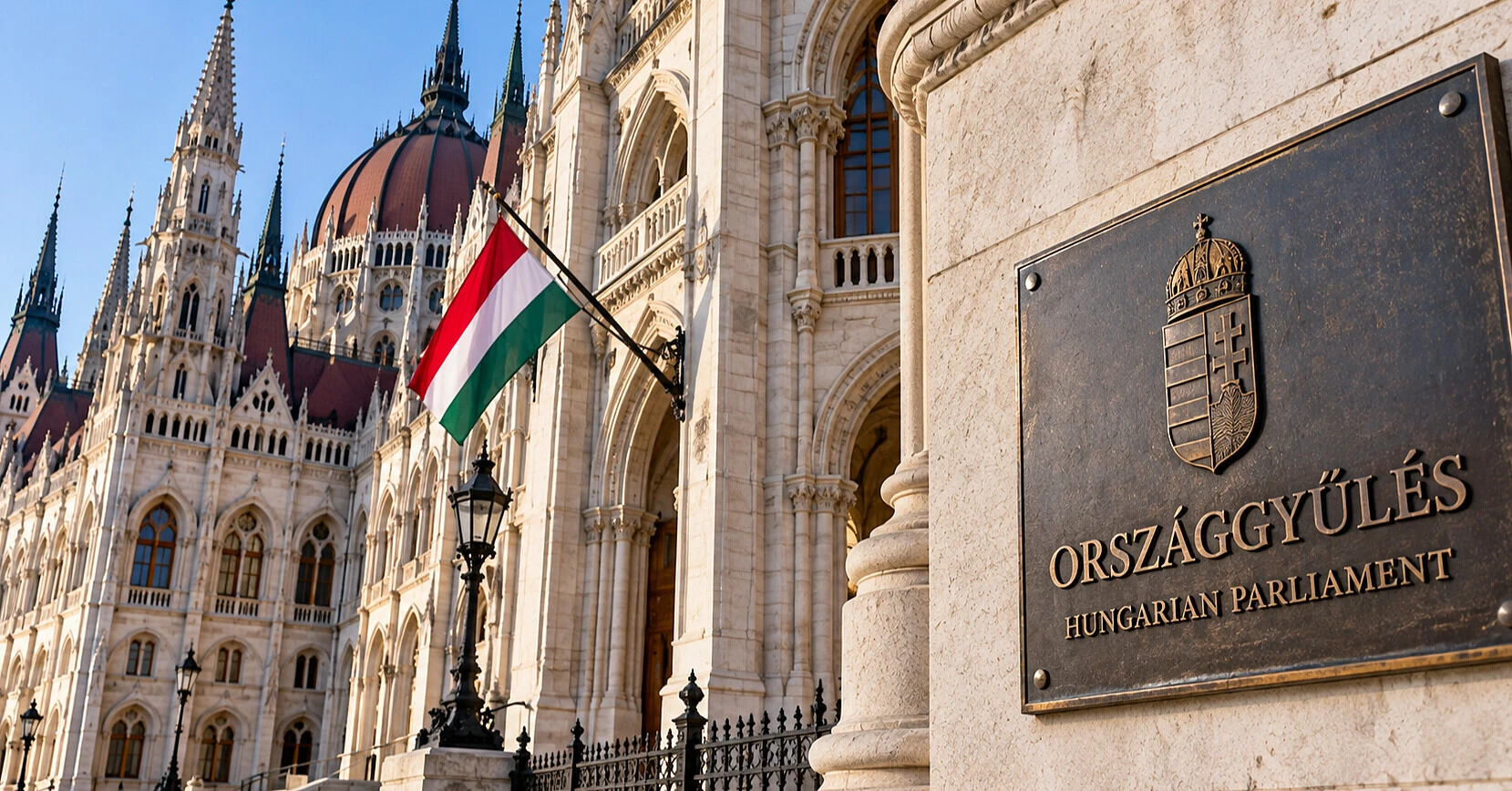
The Hungarian parliament on Tuesday, October 13, approved the repeal of key provisions of the child protection law adopted in 2021 under the government of Viktor Orbán. The legislation removes restrictions on the dissemination of information about homosexuality and gender diversity among minors. The decision became one of the most notable changes in the country's domestic policy after Prime Minister Péter Magyar came to power.
This was reported by the German publication Tagesschau, citing the results of the vote in the Hungarian parliament.
139 deputies voted in favor of the changes, and 51 parliamentarians voted against. The ruling Tisza party, which has a constitutional majority, was able to pass the bill without opposition support.
The document was opposed by deputies of the Fidesz party of former Prime Minister Viktor Orbán and the right-wing Our Homeland Movement (Mi Hazánk).
The adopted changes repeal provisions that prohibited the display and so-called propaganda of homosexuality and gender reassignment in materials accessible to persons under 18 years of age.
The previous version of the law significantly restricted the dissemination of relevant information in educational institutions, books, advertising and the media.
In particular, books mentioning same-sex relationships and gender identity were in some cases allowed to be sold only in opaque packaging. The restrictions also applied to films, television programs and educational materials.
After the adoption of the amendments, such materials will no longer automatically be subject to prohibition solely because of the mention of sexual orientation or gender identity.
Instead of the previous restrictions, the law will focus on protecting minors from content that can seriously harm their physical, intellectual, emotional or moral development.
In particular, this refers to materials of a pornographic nature, sexual violence, child exploitation and other forms of content dangerous to minors.
Prime Minister Péter Magyar stressed that the changes are aimed at strengthening the protection of children regardless of sexual orientation. He also criticized representatives of Fidesz and Our Homeland who voted against the government bill.
Opposition parties, in turn, accused the government of weakening the existing restrictions under pressure from the European Union. Fidesz representatives claim that the amendments again open educational institutions to materials that the previous leadership of the country opposed.
The changes became possible after the parliamentary elections in April 2026, in which the Tisza party won a convincing victory. Péter Magyar replaced Viktor Orbán, who had led the Hungarian government for 16 years.
The new government declared one of its priorities the restoration of relations with European institutions and the revision of legislation that had previously caused conflicts with Brussels.
The 2021 law was one of the most controversial decisions of the Orbán administration. The European Commission criticized it for discriminatory restrictions, and in April 2026 the Court of Justice of the European Union ruled that the relevant provisions were incompatible with EU law.
The dispute over the legislation also had financial consequences. According to Tagesschau, since the end of 2022 the EU has blocked about 500 million euros in funding related to claims about the Hungarian law.
The European Commission welcomed the decision of the Hungarian parliament. Commissioners Michael McGrath and Hadja Lahbib called the vote an important signal of commitment to common European values.
However, the adopted changes do not mean the complete abolition of all restrictions introduced during Orbán's rule.
The international human rights organization Human Rights Watch points out that Hungarian legislation still retains norms restricting legal recognition of gender identity of transgender people, adoption of children by same-sex couples and holding public events of the LGBT community.
In addition, the family protection law still contains a separate provision imposing restrictions on the dissemination of relevant information among minors. Human rights activists urge the government to review these norms as well.
Thus, the parliament's decision repeals a significant part of the restrictions of the 2021 law and eliminates one of the sources of disagreement between Budapest and Brussels. At the same time, further revision of legislation will depend on subsequent decisions of the government and parliament of Hungary.
Based on: Tagesschau, Euronews Hungary, Human Rights Watch.