

Germany agrees on new sugar tax: rates and timeline announced
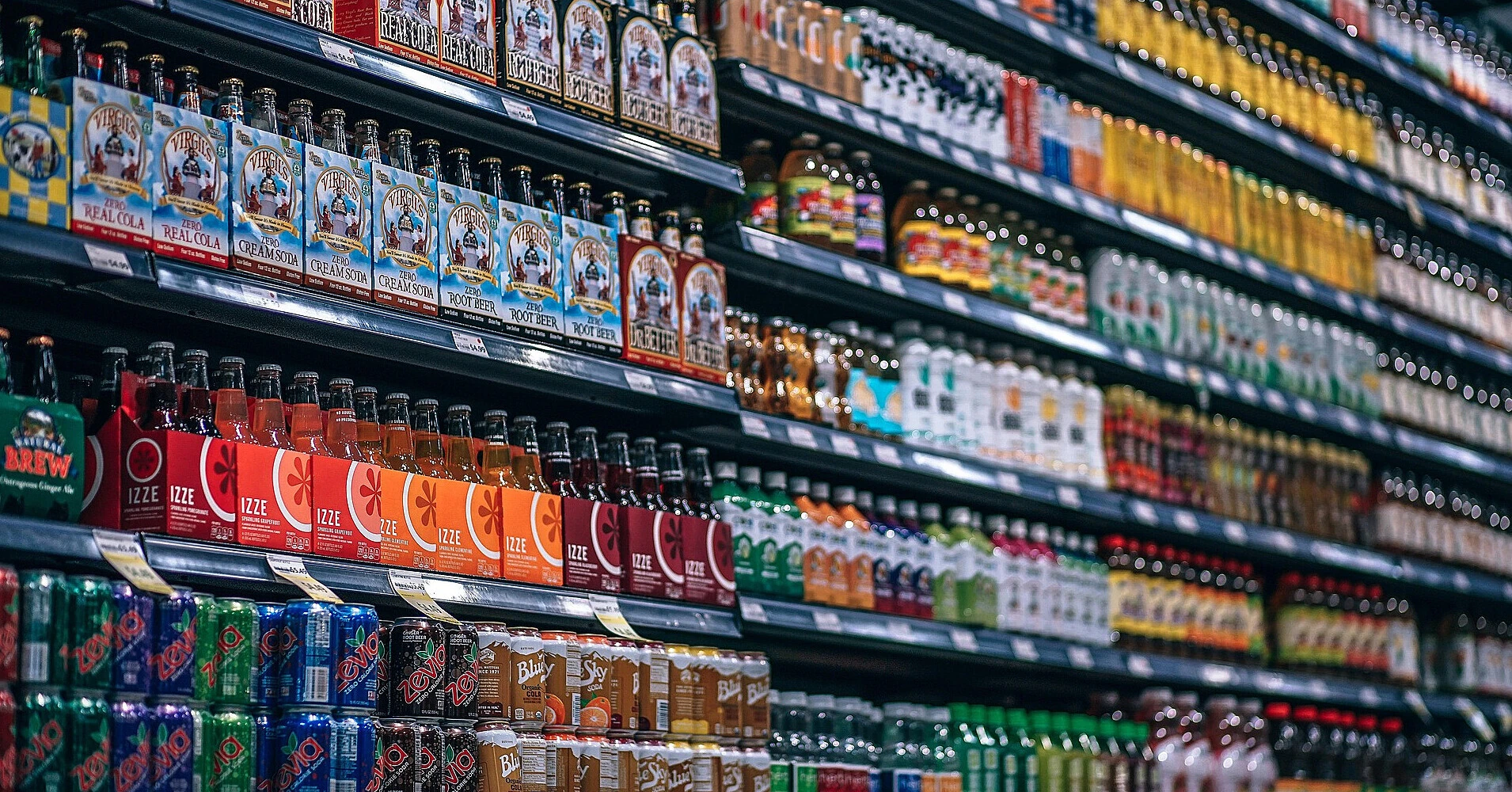
>Germany's ruling coalition, comprising the CDU/CSU bloc and the Social Democratic Party (SPD), has reached a final agreement on introducing a tax on sugary soft drinks. The new rules are planned to take effect on 1 July 2027.
This was reported on 13 October by the German outlet RedaktionsNetzwerk Deutschland (RND), which obtained the coalition's agreed draft government decision.
The tax will depend on the sugar content of the drink. Two rates have been agreed:
- 26 euro cents per litre — for sugar content from 5 grams per 100 millilitres;
- 32 euro cents per litre — for sugar content from 8 grams per 100 millilitres.
Thus, for a standard 1.5-litre bottle of sugary drink, the tax will amount to between 39 and 48 euro cents. The actual change in retail prices will depend on how much of the additional costs manufacturers and retailers pass on to consumers.
Small independent producers who produce less than one million litres of sugary drinks per year will be exempt from the tax. This exemption is intended to reduce the administrative burden on small businesses.
The tax will also not apply to drinks with artificial sweeteners, pure fruit juices, non-alcoholic beer and beer mixes, non-alcoholic wine and sparkling wines. Drinks based on soy, nuts, seeds and cereals are included in the list of exemptions.
How much money Germany expects to raise
According to government calculations, revenue from the new tax for the federal budget will amount to around €690 million in 2027. In 2028, revenue is expected to increase to €925 million, and in subsequent years — about €880 million annually.
The compromise reached ends the dispute between members of the ruling coalition regarding the size and scope of the tax.
Previously, German Finance Minister Lars Klingbeil proposed a three-tier system with rates of 26, 32 and 38 euro cents per litre. However, this option did not receive support from the office of Federal Chancellor Friedrich Merz.
In the end, the coalition settled on a two-tier model, in line with the recommendations of the government health commission presented in spring 2026.
German authorities view the tax not only as an additional source of budget revenue but also as a tool to reduce sugar consumption. It is expected that manufacturers will be incentivised to reduce sugar content in their products to lower the tax burden.
However, agreement between the parties does not yet mean the new rules will come into force. To introduce the tax, the legislative procedure must be completed. Until then, current beverage prices will not change directly due to the new levy.
Based on materials from: RedaktionsNetzwerk Deutschland, ZDFheute.