

Norway allocates new aid to support the Ukrainian budget
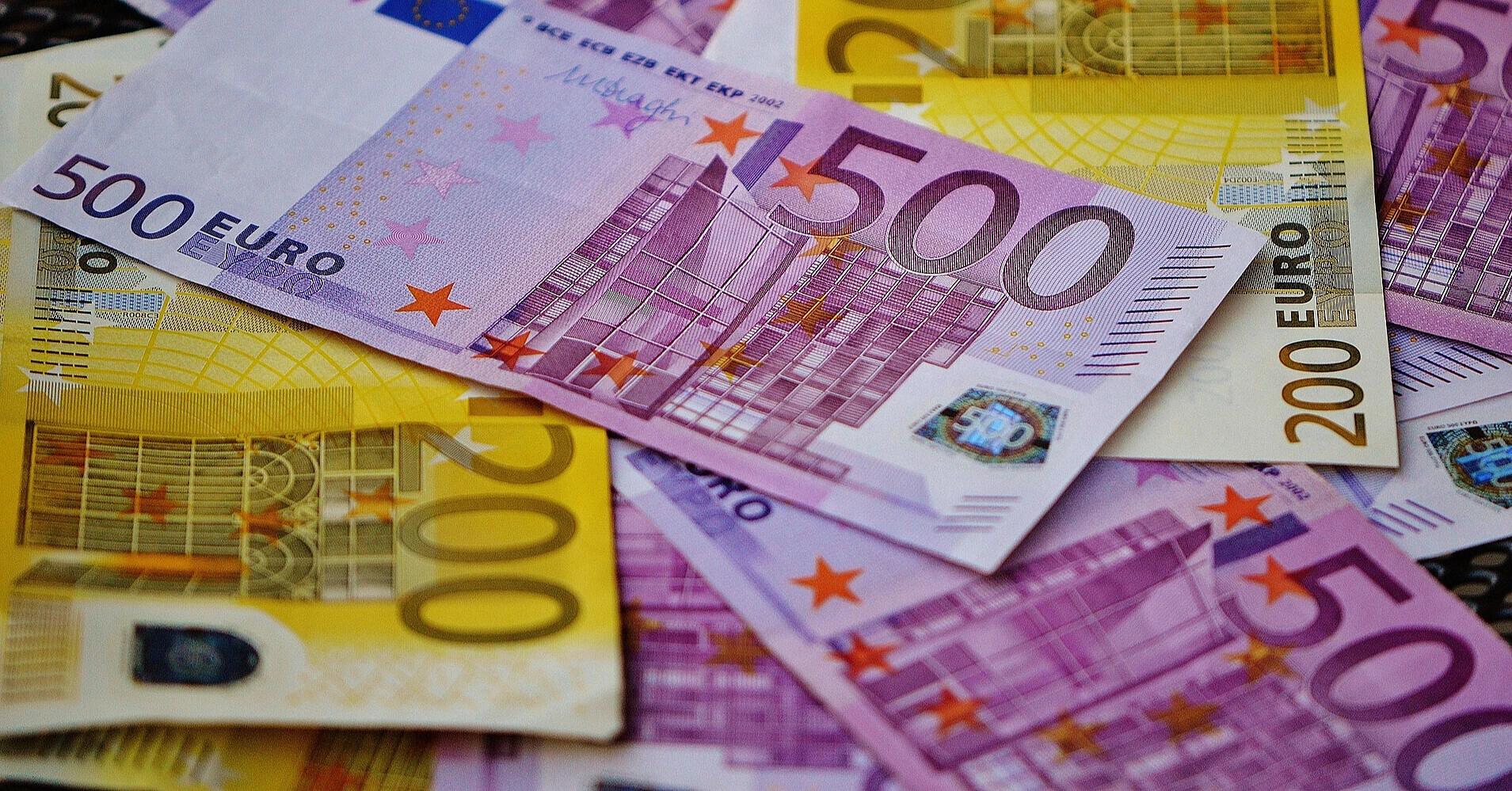
Norway will provide Ukraine with an additional 750 million Norwegian kroner (about 78.5 million dollars) to maintain the work of state institutions and finance social expenditures in the context of the ongoing war. The funds will help ensure payment of salaries to teachers, medical workers, and other public sector employees.
This was reported on October 14 by Norway's Minister of International Development, Åsmund Aukrust, in an interview with VG.
The new financial assistance package was presented during the annual World Bank meeting in Bangkok. Ukraine's Finance Minister Sergii Marchenko participated in the meeting remotely from Kyiv, as Russian missile strikes prevented him from arriving in Thailand in person.
According to Aukrust, support for Ukraine is not limited to military aid. Equally important is ensuring the daily operation of state institutions and providing basic services to the population.
The minister stressed that the war is not only fought on the front lines. The state must continue to fund schools, hospitals, and other institutions, and medical workers who are providing care to the injured must receive their salaries on time.
The funds will be channeled through the World Bank's special SPUR 2.0 mechanism. Its distinguishing feature is that Norway's financial contribution will enable Ukraine to attract a significantly larger volume of loans.
As Aukrust explained, each Norwegian krone provided under this mechanism allows mobilizing approximately three kroner in credit funds. Thus, the allocation of 750 million kroner can give Ukraine access to additional loans totaling more than 2 billion kroner.
In effect, Norway provides initial financing, while the World Bank uses its own financial capacity to attract additional resources on international markets and then lends to Ukraine.
The raised funds are planned to be used to pay salaries to teachers, doctors, and other civil servants, finance social benefits, and restore damaged infrastructure.
Aukrust noted that the continued operation of civilian services is directly linked to Ukraine's ability to maintain its defense. Enterprises require stable electricity supply, and energy company employees need to be able to work while their children attend schools.
The new assistance is provided within the framework of Norway's Nansen programme — the country's largest international support program in its history.
Under the programme, Norway has allocated 275 billion kroner for military and civilian assistance to Ukraine for the period up to 2030. For civilian support alone, 15 billion kroner has been allocated for 2026.
According to VG, from 2022 to 2026, the volume of civilian aid under the programme reached 52.2 billion kroner. This sum also includes support for Moldova and other countries in the region.
Of these funds, 16.5 billion kroner has been directed to support the energy sector, 14.9 billion to humanitarian aid, and another 14.9 billion to cover state expenditures and provide budget support.
Norwegian financing, in particular, has been used to purchase natural gas and restore electricity networks damaged by Russian attacks.
Aukrust acknowledged that providing large-scale international aid carries certain risks, including corruption. According to him, using World Bank mechanisms provides additional control over the distribution of funds.
The minister also warned of serious difficulties facing the Ukrainian population this coming winter. He emphasized that international financial support is necessary to preserve basic state services and keep the economy functioning during the war.
Earlier, on September 25, Ukraine's Ministry of Finance reported on negotiations with the Norwegian side regarding further financing through the SPUR 2.0 mechanism. According to the ministry, since the start of the full-scale invasion, the volume of Norwegian support through World Bank mechanisms has exceeded 1.2 billion dollars, of which about 717 million dollars was direct budget support.
Based on materials from: VG, Ministry of Finance of Ukraine, Government of Norway.