

Germany prepares to ban social media for children under 13
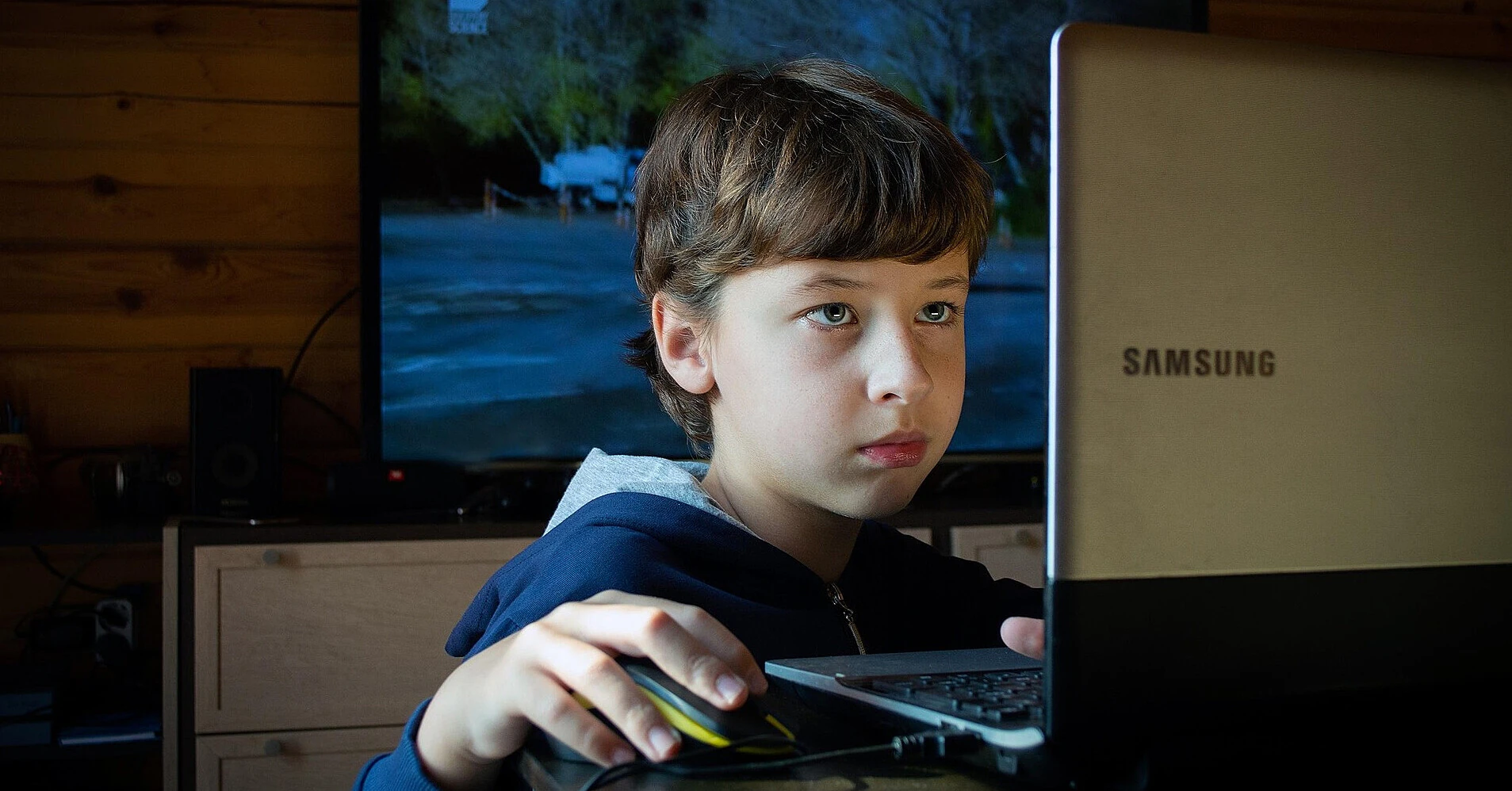
The German government approved a plan on October 14 to introduce age restrictions on the use of social media. Children under 13 are to be banned from accessing popular platforms, including TikTok, Instagram and Snapchat. Separate restrictions will be provided for older teenagers.
This is reported by Tagesschau and the Federal Ministry of Education, Family, Senior Citizens, Women and Youth of Germany.
The German government plans to set the minimum age for using social media at 13 years. Exceptions will only be possible for services whose safety for children has been confirmed.
For users aged 13 to 17, the authorities propose introducing differentiated restrictions. They should take into account the age of teenagers and the potential risks of specific online services.
The government intends to strengthen the responsibility of technology companies for the protection of minors. In particular, platforms will have to prevent the use of mechanisms that contribute to the formation of dependence on social media.
One of the proposals provides for disabling algorithmic recommendation systems by default. Such mechanisms automatically select publications and videos based on user activity, which can lead to prolonged viewing of content.
Digital identification to be introduced for age verification
German authorities also plan to implement more reliable tools for verifying the age of users.
From 2027, they intend to use the German version of the European digital wallet EUDI Wallet called d-you. The system should make it possible to verify age when accessing digital services.
In addition to social media, additional requirements for online games, app stores, operating systems, and artificial intelligence services are being considered as part of European regulation.
Education and Family Affairs Minister Karin Prien stated that the government intends to place more responsibility on platform operators, not just on parents.
According to her, children must be given the opportunity to use digital technologies safely while protecting them from cyberbullying, harmful content and uncontrolled viewing of publications.
The government also plans to launch an information campaign for parents and develop an educational program that will help schoolchildren recognize content created by artificial intelligence and evaluate it critically.
When the restrictions will take effect
The document approved on October 14 is not yet a law. The Cabinet of Ministers agreed on the main directions of future regulation, but specific deadlines for the ban have not been set.
Germany intends to seek similar restrictions at the European Union level within the framework of the EU KIDS Act initiative.
Until uniform European rules emerge, Berlin expects to adopt temporary national measures that will regulate minors' access to social media.
Thus, current children's accounts are not yet subject to automatic blocking based on the government's decision of October 14. Further regulatory formalization will be required to introduce mandatory restrictions.
Based on materials from: German government, Federal Ministry of Education and Family Affairs of Germany, Tagesschau.