

US may ease sanctions on shadow fleet after diesel deal - sources
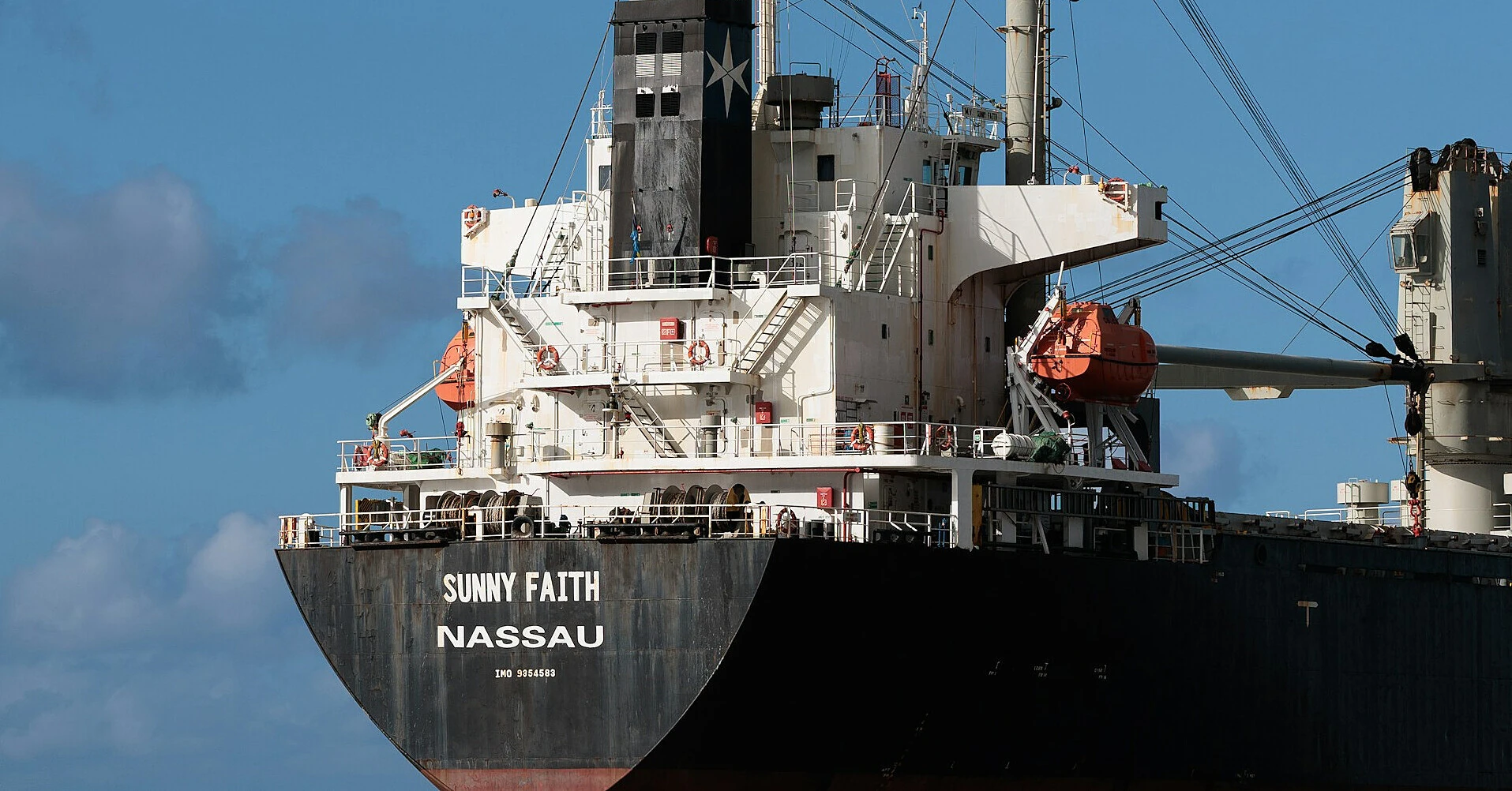
The administration of US President Donald Trump is considering easing sanctions on tankers of the so-called shadow fleet used to transport oil and petroleum products from Russia, Iran and Venezuela. The initiative emerged less than a week after Washington and Moscow agreed to resume supplies of Russian diesel fuel.
According to Reuters citing a US official, the goal of the possible sanctions relief is to reduce record high sea freight rates that increase the cost of oil transportation on the global market.
Shipping costs have risen significantly due to the escalation in the Middle East and attacks on merchant vessels near the Strait of Hormuz. According to the Financial Times, in just two weeks 24 ships were attacked in this area, the most intense series of attacks since the start of the war with Iran.
Amid shipping disruptions and growing demand for available tankers, on October 9 the daily earnings of supertankers reached a record $805,000. Shipowners are increasingly avoiding dangerous routes, further limiting available capacity for oil transportation.
The possible easing of US sanctions affects a significant part of the global tanker market. Russia remains one of the largest users of the shadow fleet, which allows exporting oil and petroleum products bypassing Western restrictions.
According to an October study by KSE Institute, in August Russia used 258 tankers for seaborne exports of oil and petroleum products, of which 166 vessels, or 64%, belonged to the shadow fleet. At the same time, 92% of such tankers were older than 15 years.
Total seaborne exports of Russian oil and petroleum products in August amounted to about 4.9 million barrels per day, down 12.4% compared to last year. At the same time, the volume of shadow fleet shipments from Baltic ports increased by 16% over the month.
The new discussion in Washington comes after Trump's so-called diesel deal with Vladimir Putin. On October 9, the American president announced an agreement to supply Russian diesel fuel to the American and global markets to curb prices.
The same day, the Office of Foreign Assets Control of the US Treasury Department (OFAC) issued General License No. 135. The document permits previously sanction-barred operations related to the sale, delivery, unloading and import of Russian diesel fuel. The permit is valid until April 7, 2027.
Thus, unlike the already implemented relaxation of restrictions on Russian diesel, the possible lifting of some sanctions on tankers remains a subject of discussion.
Meanwhile, the European Union continues to strengthen control over vessels used to circumvent sanctions. On October 12, French naval forces intercepted the sanctioned tanker DF Peak in the Indian Ocean, suspected of using a fake flag and illegal fuel shipments.
Earlier, US senators also called on the Trump administration to expand sanctions on the Russian shadow fleet to limit Moscow's oil revenues. The new White House initiative implies the opposite direction of sanctions policy.
So far, Washington has not announced a final decision on tankers. The scale of possible easing remains unknown. At the same time, the lifting of US restrictions on individual vessels will not automatically mean the lifting of sanctions by the European Union and the United Kingdom.
Based on: Reuters, Financial Times, KSE Institute