

Zelensky is finding it harder to keep Europe's attention on Ukraine — Politico
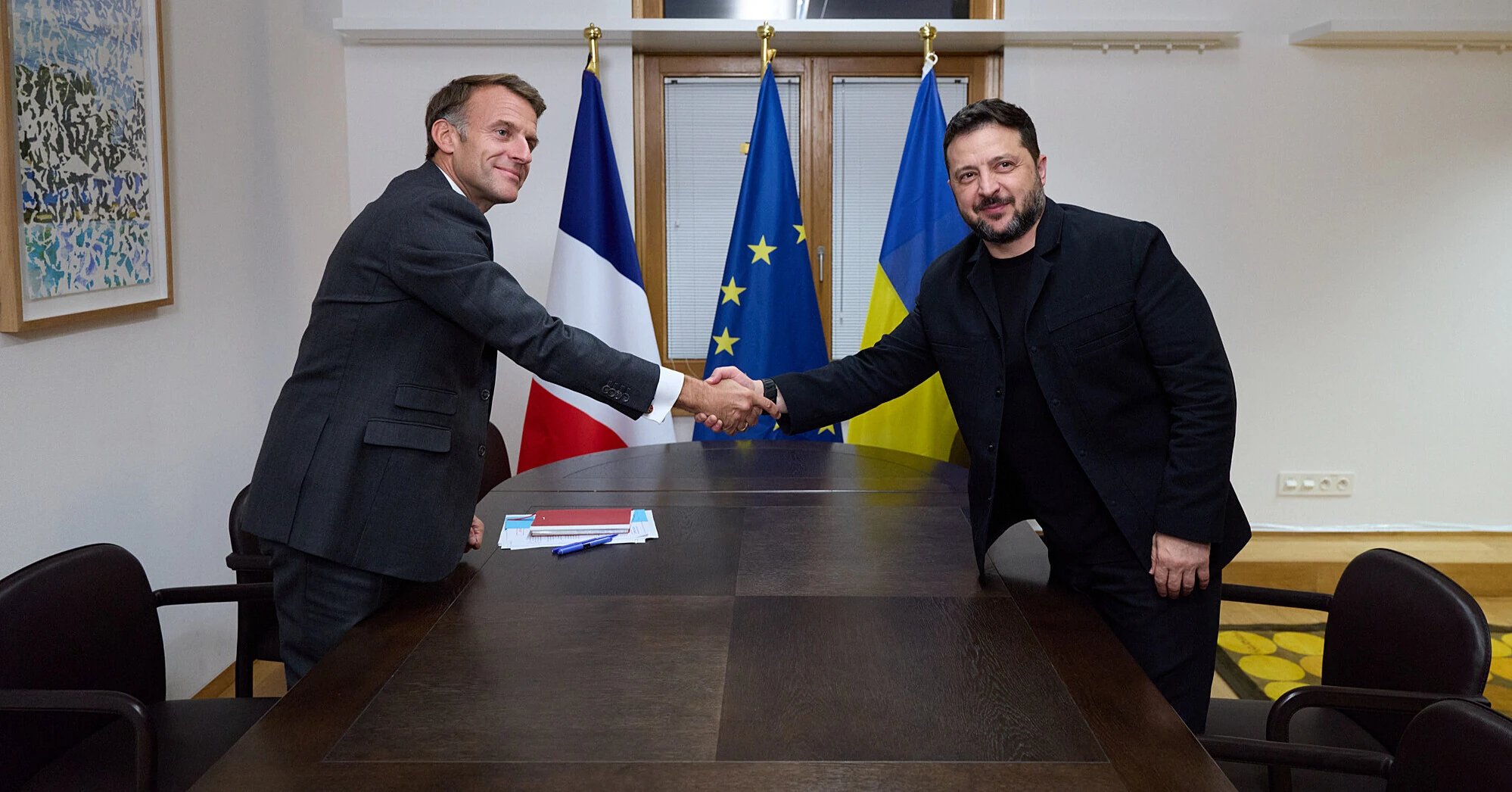
President of Ukraine Volodymyr Zelensky has faced new difficulties in trying to keep the Ukrainian issue among the top priorities of the European Union. At the summit in Brussels on October 15-16, EU leaders focused a significant part of their attention on disputes over the future budget and high energy prices.
This is reported by Politico, citing European officials and diplomats familiar with the course of the negotiations.
For the first time since the start of Russia's full-scale invasion in 2022, Ukraine did not lead the agenda of the European Council meeting. The first issue was a discussion of the EU's multiannual budget, on which significant differences remain between member states.
This change is confirmed by an analytical document of the European Parliament, prepared ahead of the summit. It states that the place at the beginning of the agenda, which in recent years had been given to Ukraine, was this time occupied by budget negotiations.
According to one European leader who agreed to speak to Politico anonymously, it will be difficult for Zelensky to shift his colleagues' attention to Ukraine's needs. At the same time, it is not about the EU abandoning support for Kyiv, but about the growing number of internal problems that require urgent solutions.
Zelensky arrived in Brussels a day earlier than scheduled to hold additional bilateral talks. In particular, on October 15 he met with French President Emmanuel Macron, and for the morning of October 16 he planned the first official bilateral meeting with Hungarian Prime Minister Peter Magyar.
A separate source of tension has been Zelensky's relations with U.S. President Donald Trump. One EU diplomat told Politico that some European leaders are unhappy with the Ukrainian president's public criticism of Trump. In their view, this could complicate efforts to maintain cooperation with Washington.
Another European diplomat, however, stressed that EU leaders should not reproach the president of a country that is fighting a war for its existence. In his assessment, it is unlikely that any of them would dare to openly criticize Zelensky during the meeting.
In addition, according to another Politico source, Trump's recent agreement with Russia on allowing Russian diesel fuel onto the world market may, on the contrary, strengthen the solidarity of European countries with Ukraine.
One of the key issues of the summit remains further funding for Ukraine. Belgian Prime Minister Bart De Wever suggested that Zelensky would remind European leaders of the already agreed loan of €90 billion and the need to ensure continued support after these funds are used.
The European Union has agreed to a loan program for 2026-2027, but the prolonged war and constant Russian attacks on energy infrastructure put additional strain on Ukraine's budget. Politico, citing IMF estimates, notes that in 2027 Ukraine may lack about $35 billion in financing.
Against this backdrop, the issue of using frozen Russian assets is returning to the agenda. Sweden, Finland, and Germany are in favor of resuming negotiations on the possibility of directing these funds to support Ukraine.
At the same time, European countries did not support the American proposal to transfer part of the Russian assets frozen in Europe to the control of a U.S.-linked entity for use as a lever during peace negotiations with Moscow.
German Chancellor Friedrich Merz emphasized that assets frozen in Europe must remain under European control, and decisions on their further use should be made by European countries themselves.
Former Lithuanian Foreign Minister Gabrielius Landsbergis, in a comment to Politico, called the situation extremely difficult. According to him, the responsibility for further support of Ukraine increasingly falls on Europe, which has long postponed making strategic decisions.
Despite the change in the order of issues at the summit, the official agenda of the European Council provides for a separate discussion of Ukraine on October 16. Leaders are expected to consider military and financial assistance to Kyiv, protection of critical infrastructure ahead of winter, and Ukraine's further progress toward EU membership.
Sources: Politico, European Parliament, European Council