

Transit of Russian grain through Latvia more than doubled despite intentions to impose restrictions
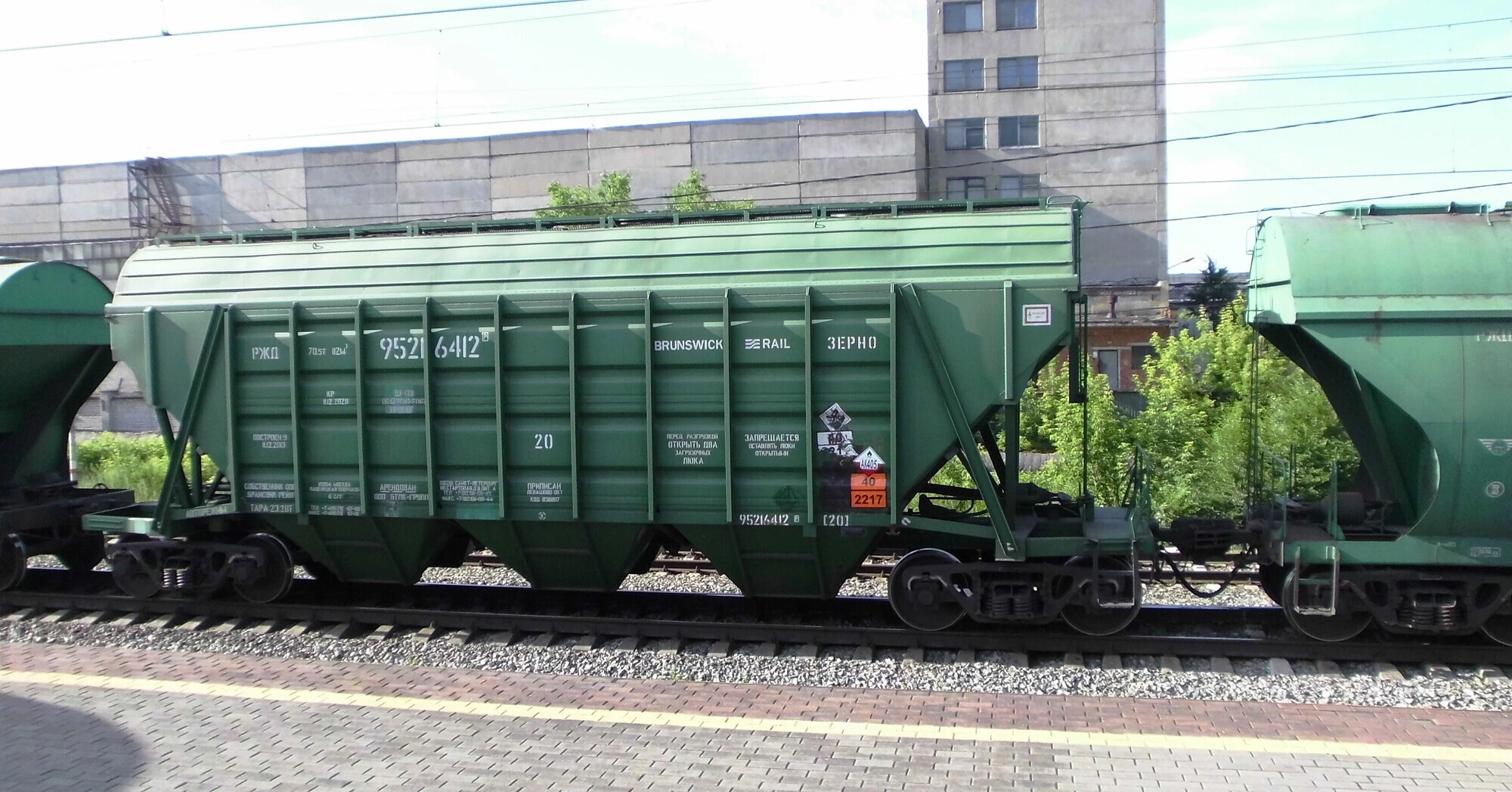
In the first nine months of 2026, the volume of transit of Russian grain through Latvia increased by 2.3 times compared to the same period last year. The increase in shipments continues despite the intentions of the Latvian authorities to limit the use of the country's transport infrastructure for Russian agricultural exports.
This is evidenced by data from the Latvian State Revenue Service (VID), which was published by the Latvian media Delfi and BB.LV citing the LETA agency.
In January-September, 689,995 tons of grain from Russia were transported in transit through Latvia. In the same period of 2025, this figure was 303,306 tons.
Grain shipments from Belarus grew even more significantly. While in the first nine months of last year only 60.8 tons of Belarusian grain passed through Latvia in transit, this year it is already 131,417 tons.
The increase in transit continued in October. In the first six days of the month alone, an additional 52,365 tons of Russian and 14,640 tons of Belarusian grain were transported through Latvia.
Thus, by October 6, the transit of grain from Russia reached about 742 thousand tons, exceeding the result for all of 2025. Then about 652 thousand tons of Russian grain were transported through Latvian territory.
Latvia has not yet banned the transit of Russian grain
The Latvian State Revenue Service explained that the current legislation of the country and the European Union does not provide for a general ban on the transit of grain products from Russia and Belarus.
At the same time, the import of such grain for free circulation on the Latvian market is prohibited. Therefore, imports for domestic consumption and transit to other countries are regulated differently.
Separate restrictions apply to goods originating from the territories of Ukraine temporarily occupied by Russia. Their import into the EU, including in transit, is prohibited.
To prevent the transportation of stolen Ukrainian grain, Latvian customs checks documents on the origin of cargo, supply routes, and other accompanying data.
In cooperation with the country's Food and Veterinary Service, laboratory tests of grain samples are also conducted. According to Latvian public broadcaster LSM, as of October 13, 19 samples were taken for origin verification. The first results are expected at the end of the month.
At that time, Latvian customs had not reported any violations found during document control.
Transport restrictions turned out to be softer than planned
In September, the Latvian parliament called on the government to develop a mechanism for the complete cessation of transit of Russian and Belarusian grain. The deputies also proposed to seek a similar ban at the level of the Baltic countries and the entire European Union.
In parallel, the Latvian government advocated a significant increase in fees for the use of railway infrastructure for such cargoes in order to make their transportation economically unprofitable.
However, according to LSM, from October 13, the fee for the use of railway infrastructure for the transit of Russian grain increased by an average of only 25%, although the government insisted on tripling it.
LatRailNet, the company that sets these tariffs, explained that it cannot arbitrarily raise them due to the requirements of European and national legislation.
Thus, despite political statements about the need to stop transportation, Russian grain transit through Latvia still remains allowed.
It was previously reported that Lithuania proposes to introduce a pan-European ban on the transit of Russian food grain. The initiative is linked to Russia's use of European ports and railways to supply agricultural products to foreign markets against the backdrop of strikes on Ukrainian export infrastructure.
Based on materials from: Delfi, BB.LV / LETA, LSM