

For the second night in a row, disruptions in Moscow airports: more than 350 flights delayed or cancelled
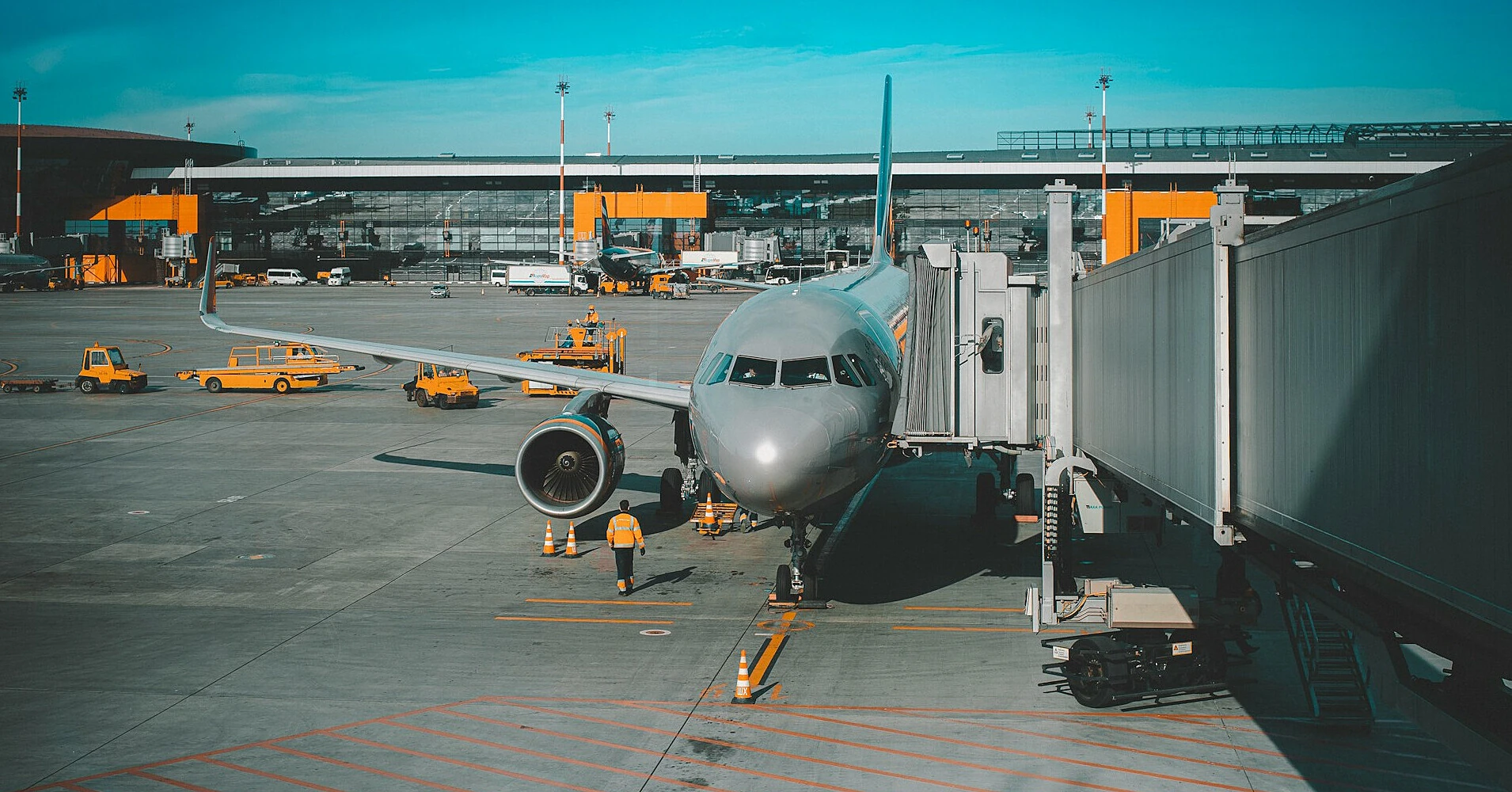
On the night of October 17, all four Moscow airports were temporarily closed again due to the threat of drones. According to online departure boards, more than 350 flights were delayed or cancelled. Planes were diverted to other cities: Nizhny Novgorod alone received 22 aircraft bound for Moscow. Although restrictions were lifted by morning, the consequences of the disruptions continued throughout the day. Some passengers had been unable to depart for several days already.
The most difficult situation arose at Sheremetyevo. Passengers faced flight cancellations, long waits, and the need to find alternative routes. At the same time, the current restrictions were not an isolated incident but part of a noticeable increase in stoppages of the Moscow aviation hub.
In the first two weeks of October, the total duration of closures of the four Moscow airports exceeded 101 hours—more than twice as much as the entire September. This shows how serious the consequences of recurring restrictions have become for civil aviation.
More than 350 flights: what happened on the night of October 17
On the evening of October 16, Russian aviation authorities again began imposing restrictions on the arrival and departure of aircraft. They affected all four airports of the Moscow aviation hub: Sheremetyevo, Vnukovo, Domodedovo, and Zhukovsky.
Rosaviatsiya explained the measures by the need to ensure flight safety amid the threat of drone attacks. The restrictions were in effect throughout the night, and around 7 a.m. on October 17, the airports resumed operations.
According to Meduza's calculations based on online departure board data, more than 350 flights were delayed or cancelled. The largest number of schedule disruptions occurred at Sheremetyevo.
It is important to note that we are talking about the total number of delayed and cancelled flights. This does not mean that all 350 aircraft did not depart at all: some flights left later than originally scheduled.
However, even after the restrictions were lifted, the situation did not quickly return to normal. Aircraft and crews were not where they were supposed to be according to schedule, and passengers continued to wait for departures.
According to Russian media reports, by mid-day on October 17, numerous cancellations and delays remained at Sheremetyevo. Passengers were given water and drinks, and airline employees were handling ticket rebooking.
22 planes landed in Nizhny Novgorod instead of Moscow
One of the most noticeable consequences of the night restrictions was the mass diversion of aircraft to alternate aerodromes.
According to an official statement from Nizhny Novgorod's Chkalov Airport, during the night it received 22 flights that were originally heading to Moscow airports.
Airline representatives had to organize passenger service at an unplanned landing point. People were provided with food and drinks, and some travelers were sent to Moscow by ground transport.
Some aircraft heading to the Russian capital also landed in St. Petersburg and Kazan.
In particular, a flight from Turkish Antalya to Moscow was diverted to St. Petersburg. According to passenger reports, after landing, people had to remain on planes for hours waiting for further decisions.
For travelers, this meant not just a delay of a few hours. Routes changed, transfer plans were disrupted, and instead of arriving at the required airport, they had to find a way to reach their destination.
“We can't fly out for the third day”: how restrictions affected passengers
MSK1.RU journalists reported on October 17 about passengers who faced prolonged delays and repeated flight cancellations.
At Domodedovo Airport, Viktoria and her daughter Polina waited almost nine hours for a flight to Omsk. The plane was supposed to depart at 11:10 p.m. the previous evening, but they had to wait for boarding until the next morning.
The family was heading to a relative's anniversary. After arriving in Omsk, they still had three hours to travel to their destination. Due to the delay, they had to warn relatives not to come to meet them at the airport according to the original schedule.
Another passenger told journalists that he had been unable to fly to Nalchik for three days. After repeated cancellations, he decided to change his route and travel via Vladikavkaz, but the new flight was also delayed.
At Sheremetyevo, a passenger named Elena discovered that her morning flight to Yekaterinburg was cancelled. The next available option was offered only for October 19. An attempt to switch to a train was also problematic: there were no tickets for a direct route.
Such stories show why a brief airport closure can have consequences that last several days.
In two weeks, airports were closed for 101 hours—more than the entire September
The current transport disruption occurred against the backdrop of a sharp increase in the duration of restrictions at Moscow airports.
According to calculations by the independent publication Agentstvo, based on Rosaviatsiya reports, in the first 14 days of October, the cumulative time of complete closure of the four Moscow airports amounted to 101 hours 38 minutes.
For comparison, for the whole of September, the equivalent figure was 46 hours 33 minutes, and for August—54 hours 11 minutes.
Thus, in just two weeks of October, the duration of restrictions was more than double the September figure.
This does not mean that all four airports were simultaneously non-operational continuously for more than four days. It refers to the total time of registered restrictions in the Moscow aviation hub.
According to Agentstvo, since the beginning of 2026, all four Moscow airports have been simultaneously closed at least 19 times. Moreover, the duration of individual stoppages has been increasing.
Frequent restrictions create additional burden for airlines: they need to divert aircraft, adjust schedules, provide passenger service, and reorganize crew work.
Why flights are delayed even after airports reopen
At first glance, it might seem that after restrictions are lifted, planes should immediately return to normal schedules. In practice, restoring air service is more complex.
During an airport closure, aircraft cannot arrive at their destination on time or depart for the next flight. Some remain on aprons, others wait for landing permission, and still others head to alternate aerodromes.
After operations resume, it is necessary to reassign takeoff and landing times, coordinate the use of runways, and ensure crew readiness.
For example, a plane that was supposed to arrive in Moscow in the morning and then operate another flight finds itself out of its schedule after landing in Nizhny Novgorod. Even if restrictions are already lifted, it needs time to return to the Moscow airport and prepare for the next departure.
If such disruptions repeat several nights in a row, delays can accumulate. For passengers, this means a risk of further postponements even for flights that were not directly subject to night restrictions.
What is known about the situation on October 17
On the morning of October 17, Rosaviatsiya announced the lifting of restrictions at Moscow airports. However, according to journalists and online departure boards, widespread delays and cancellations persisted throughout the day.
The disruptions affected not only Moscow. According to Deutsche Welle, on the night of October 17, restrictions were imposed at 12 Russian airports, including those in Kaluga, Sochi, Yaroslavl, Kostroma, Cherepovets, Saratov, Penza, and Gelendzhik.
Russian authorities link the restrictions to the threat of drone attacks. Moscow Mayor Sergey Sobyanin stated that more than 140 drones heading for the capital were destroyed. There is no independent confirmation of the stated number of aircraft.
Data on delays and cancellations continue to change as schedules recover, so passengers need to check the status of specific flights with airline and airport information.
The main outcome of yet another night of restrictions is not only more than 350 disrupted flights. The Moscow aviation hub is accumulating consequences of recurring stoppages: planes end up in other cities, passengers change routes, and restoring normal schedules requires ever more time.
Based on materials from: Meduza, Deutsche Welle, Interfax, Agentstvo, MSK1.RU.