
Lubinets reports progress in negotiations on evacuation from Oleshky
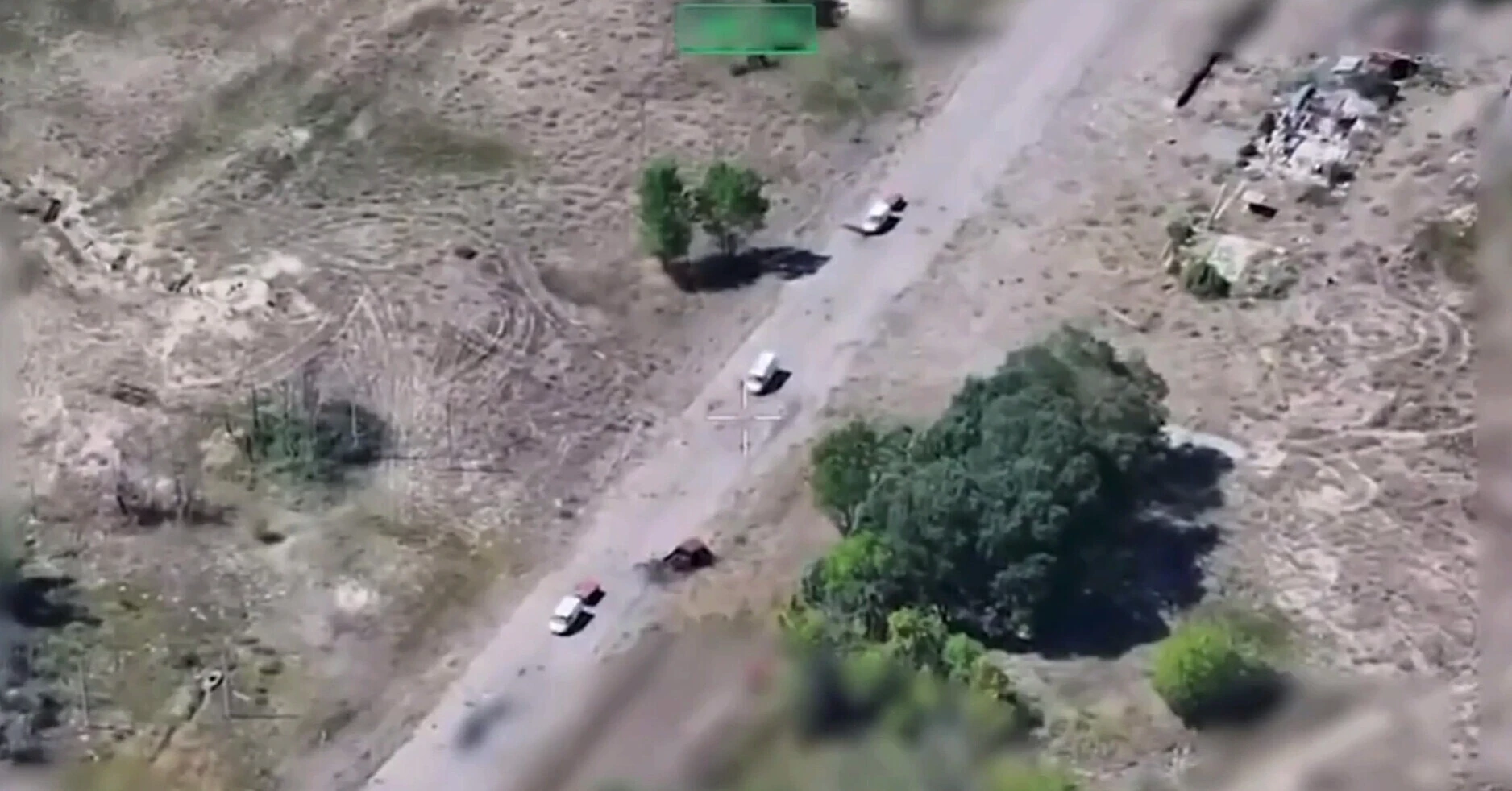
Ukraine and Russia have come closer to agreeing on the terms of a humanitarian evacuation of civilians from the temporarily occupied Oleshky community in the Kherson region. The parties are discussing the final issues related to the ceasefire and the organization of safe departure of people to the territory controlled by Ukraine. Around 6,000 civilians, including up to 200 children, may remain in the community's settlements.
This was reported by the Verkhovna Rada Commissioner for Human Rights Dmytro Lubinets in an interview with the Espreso TV channel, published on October 18.
According to the ombudsman, negotiations with the Russian side take place daily. Moscow, as Lubinets claims, has begun to work on the proposals previously submitted by Ukraine regarding the organization of a humanitarian mission.
Currently, the parties are focused on agreeing on the terms of a temporary ceasefire and security guarantees for civilians who want to leave the occupation.
Lubinets expressed hope that the results of the negotiations will become known in the near future. At the same time, he admitted that a number of complex issues remain unresolved.
There is no exact date for the evacuation and no finally agreed route yet. There is also no information about the entry into force of a ceasefire agreement.
Evacuation may cover about 6,000 people
The ombudsman clarified that this is not only about the city of Oleshky but also about six neighboring settlements of the community.
According to preliminary estimates by the Ukrainian side, approximately 6,000 civilians may remain in this territory, including up to 200 children.
In Oleshky itself, according to Lubinets, there are up to 2,000 residents, including families with children.
The Ukrainian side insists on organizing the evacuation of all those willing to go to territory controlled by the Ukrainian government.
The issue of a humanitarian corridor has been under discussion for several months. Back in May, Lubinets reported that technical aspects of the evacuation were being worked out, but afterwards an organized mass departure of civilians never began.
In September, the Ukrainian ombudsman stated that the Russian side did not confirm readiness to ensure the conduct of a humanitarian operation. The current report indicates a new stage of negotiations but does not guarantee their successful completion.
Oleshky residents remain without sufficient food and medicine
The humanitarian situation in the occupied city has been deteriorating over recent months. Due to hostilities, the danger of movement and the disruption of transport links, regular supplies of food and medicine have effectively ceased.
Residents are forced to use leftover home stocks, home-grown produce, and search for food outside the city. Due to food shortages, some people face a real threat of starvation.
According to the UN Human Rights Monitoring Mission in Ukraine, back in early 2026 the last grocery store in Oleshky faced such a serious shortage of goods that it stopped regular operation.
In a report on June 25, the UN noted that as of June 24, there had been no regular food supplies to the city since May 26.
Subsequently, Ukrainian military carried out separate deliveries of humanitarian aid using drones. However, they could not restore regular supply of necessary goods to the population.
The lack of proper medical care remains a serious problem. According to testimonies of residents interviewed by the UN, ambulance calls often go unanswered, and transportation of seriously ill people to other settlements is complicated by shelling and mined roads.
People who try to leave Oleshky on their own risk being hit by drones or stepping on mines. It is especially difficult to evacuate elderly people, persons with disabilities and the sick, who physically cannot cover significant distances on foot.
Amnesty International confirms humanitarian crisis
On October 6, the international human rights organization Amnesty International issued a statement about the critical situation in Oleshky.
Human rights defenders reported that they are receiving credible evidence of acute food shortages, limited access to medical care and the impossibility of safely leaving the city.
In particular, the organization told about a 70-year-old woman who, after being wounded and her house destroyed, decided together with other residents to leave Oleshky on foot.
The route of about 20 kilometers passes through a mined area where there is a constant threat of drone attacks. At the end of September, contact with this woman was lost.
Amnesty International confirmed the difficult living conditions of the civilian population, although it has no direct access to the occupied territory.
The organization called for providing residents with food, medicine and the possibility of voluntary and safe evacuation.
Ukraine and Russia accuse each other of humanitarian catastrophe
Responsibility for the situation in Oleshky remains the subject of contradictory statements by Kyiv and Moscow.
Ukrainian authorities accuse Russian occupation forces of obstructing the delivery of humanitarian aid and blocking evacuation. In particular, Kyiv claims that Russian military shoot down drones with food, confiscate delivered products and persecute residents who receive Ukrainian aid.
The Russian side, for its part, blames Ukraine for the humanitarian crisis. Moscow claims that Ukrainian drones block transport routes and attack vehicles, making supply of goods and evacuation supposedly impossible.
These contradictory claims were reviewed by Amnesty International. The organization noted that it cannot independently verify all accusations of the parties due to lack of access to the occupied territories.
At the same time, the UN Monitoring Mission confirmed that drone attacks pose a serious threat to civilians in this area. In a June report, the mission noted that the occupied territory suffers from attacks by drones launched by the Ukrainian military, but responsibility for individual incidents could not always be conclusively established.
Regardless of mutual accusations, international humanitarian law imposes on Russia as the occupying power an obligation to provide the civilian population with food, medicine and to facilitate humanitarian operations.
Both UN representatives and Amnesty International separately emphasized this.
Vatican joins efforts to resolve humanitarian crisis
On October 16, Pope Leo XIV during a phone conversation with Russian President Vladimir Putin raised the issue of the situation in occupied Oleshky.
The pontiff called for agreement on a temporary ceasefire so that international humanitarian structures could deliver food and medicine and organize voluntary departure of civilians.
The Russian side, after the conversation, again accused Ukraine of creating humanitarian problems, while reporting readiness to facilitate the Vatican initiative.
However, no concrete agreement on opening a humanitarian corridor was announced after this conversation.
Ukraine continues to return civilians from occupied territories
Lubinets also reported that the Ombudsman's Office organizes the return of Ukrainian citizens from temporarily occupied territories in cooperation with the Russian side.
According to him, such operations take place weekly. During one of the latest returns, 11 citizens were able to leave for Ukraine, some of whom had limited mobility. Among the returnees was a 96-year-old woman who required special medical care for transportation.
The ombudsman noted that each appeal is processed individually taking into account the availability of documents, the person's health condition and possible exit routes.
Citizens who need assistance with returning from temporarily occupied territories, or their relatives, can contact the Office of the Verkhovna Rada Commissioner for Human Rights at the short number 1678.
At the same time, for residents of the Oleshky community, the most important thing remains the establishment of a safe humanitarian corridor. Its opening depends on the completion of negotiations and the parties' fulfillment of agreed security guarantees.
Based on materials from: Espreso, Amnesty International, UN Human Rights Monitoring Mission, 25.06.2026
