
HACC ruled to confiscate 79 cars of Russian businessman
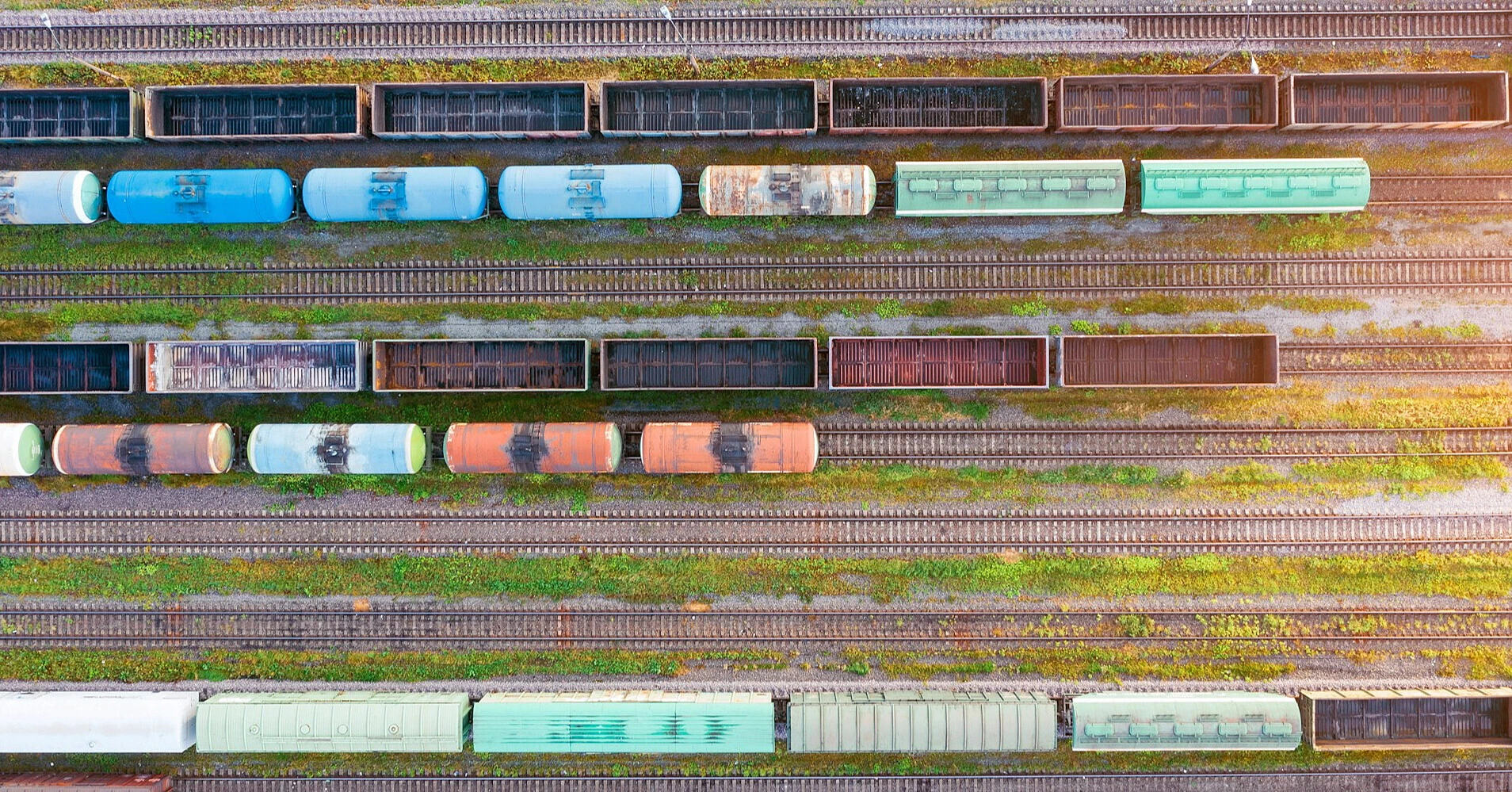
The High Anti-Corruption Court on October 20 granted the claim of the Ministry of Justice of Ukraine and ruled to confiscate 79 railway cars belonging to the Russian joint-stock company "Inter Cargo Company" into state revenue. The enterprise is linked to Russian businessman Stanislav Gamzalov.
This was reported by the HACC press service.
The court applied to the entrepreneur and the company a sanction stipulated by clause 1-1 of part one of Article 4 of the Law of Ukraine "On Sanctions", which allows the seizure of assets of sanctioned persons into state revenue.
According to the court decision, the following are subject to confiscation:
- 69 gondola cars manufactured in 2010-2012;
- 9 covered hopper cars manufactured in 2017;
- 1 fitting platform manufactured in 2014.
All 79 cars are located on the territory of Ukraine. The formal owner of the property is JSC "Inter Cargo Company", while Gamzalov, according to the Ministry of Justice, exercises indirect control over it.
The claim for the application of sanctions was filed by the Ministry of Justice on October 7, 2026. The basis was the connections established by the ministry between the Russian entrepreneur and companies that ensure the logistical needs of Russia during the war against Ukraine.
According to the ministry, enterprises belonging to Gamzalov, in particular, supply products to the Russian military-industrial complex.
This is not the first decision to confiscate assets linked to the businessman. In January 2026, the HACC granted the claim of the Ministry of Justice regarding approximately 25% of shares of Kryukiv Railway Car Building Plant controlled by Gamzalov.
The decision on confiscation of the cars can still be appealed. According to the HACC, participants in the case or their representatives have the right to file an appeal within five days from the moment of pronouncement of the decision.
Thus, the court supported the state's claims regarding the railway property of the Russian company, however, the final status of the decision will depend on a possible appellate review.
Based on materials: High Anti-Corruption Court, Center for Transport Strategies
