
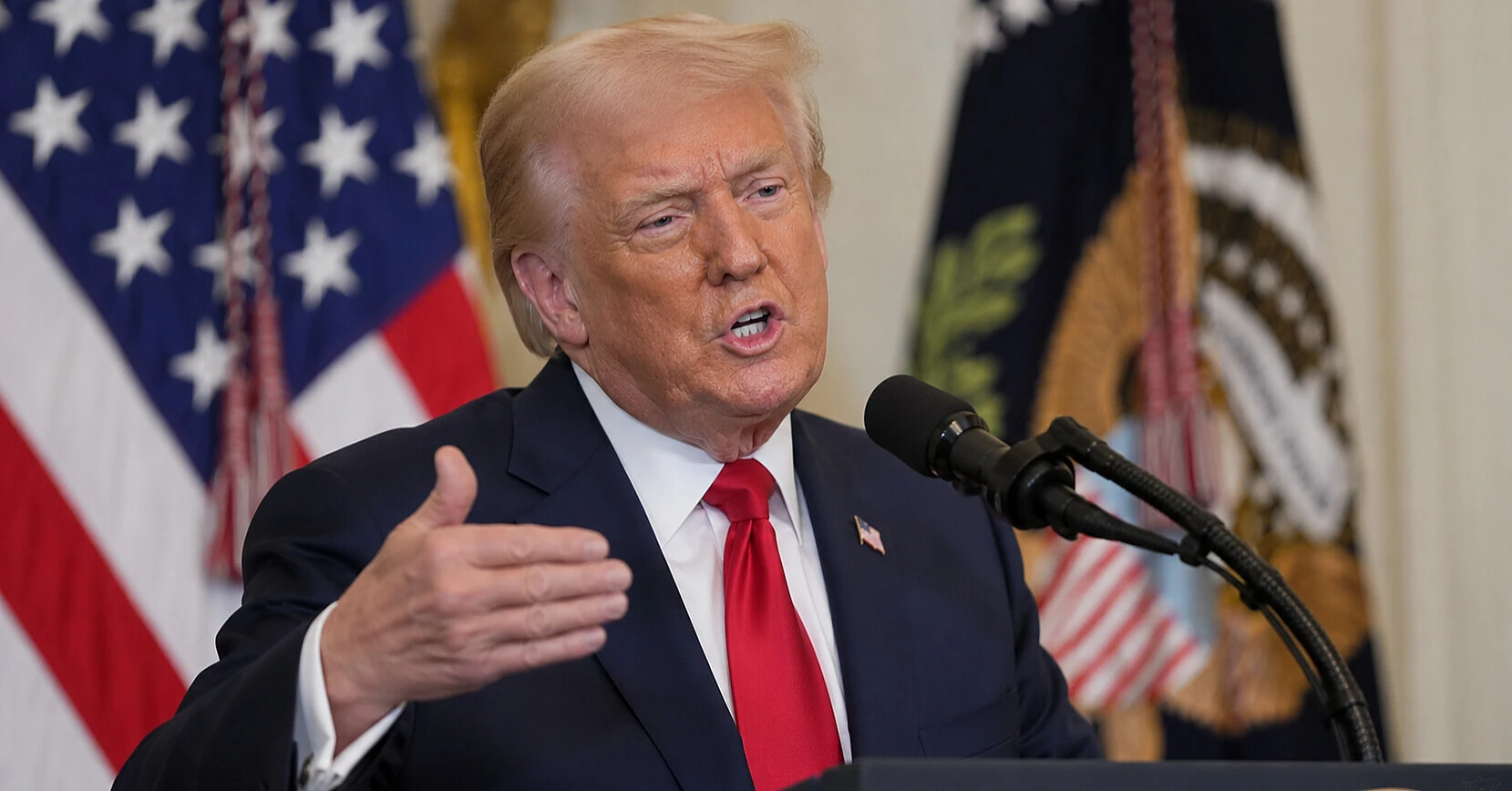
Even if the Democratic Party gains control of the US Congress after the November 3 midterm elections, this is unlikely to lead to a significant change in President Donald Trump's policy towards Ukraine. European officials doubt that American lawmakers will be able to force the White House to abandon its current course of rapprochement with Moscow.
Politico reported this on October 22, citing five European officials involved in the Ukraine negotiations.
According to the publication's interlocutors, even a Democratic victory does not guarantee the resumption of large-scale American military assistance to Ukraine. The main reason is the broad powers of the US President in foreign policy, which allow him to independently make many decisions regarding relations with other states.
European representatives believe that if Democrats gain a majority in Congress, they will be able to strengthen oversight of the administration's actions, initiate investigations, and seek individual decisions in favor of Kyiv. However, lawmakers' ability to directly determine the White House's foreign policy course will remain limited.
In particular, Europe allows that the new Congress will be able to achieve the restoration of Ukraine's full access to American satellite services and accelerate the supply of interceptor missiles for air defense systems.
At the same time, Politico's interlocutors do not expect that even the most consistent supporters of Ukraine among American lawmakers will be able to ensure a sharp increase in military support.
One European official called a possible Democratic victory a relief for Ukraine's allies, but stressed that it would not eliminate uncertainty about the further work of the American administration.
An additional obstacle will be that the new Congress will not begin work until January 2027. Until then, Democrats will not receive additional powers associated with a possible new majority in the House of Representatives or the Senate.
In addition, lawmakers will have to deal with numerous domestic problems in the US. Therefore, to adopt new decisions on supporting Ukraine, Democrats will need to make this issue one of the priorities of their legislative program.
Democratic House member Adam Smith previously warned that winning the election would only be the first step and would not by itself allow changes to the Trump administration's decisions.
At the same time, Congress retains significant powers in the budgetary sphere. Lawmakers can determine funding for defense programs, conduct congressional investigations, and pass laws restricting certain actions of the executive branch. However, the president has veto power, which requires a two-thirds majority in both chambers to override.
Disagreements between the White House and Congress have already emerged after Trump's decision to ease sanctions pressure on Russia, conclude an agreement on purchasing Russian diesel fuel, and restrict certain elements of military support for Ukraine.
As Roll Call reported on October 20, Democratic Party representatives and part of the Republicans intend to seek legislation that would oblige the administration to provide Ukraine with the necessary military, economic, and intelligence support.
American lawmakers are paying special attention to restrictions on the Starshield satellite system. Nine senators from both parties previously demanded an investigation into the causes of disruptions in the provision of satellite services to Ukraine.
However, European officials fear that even increased parliamentary pressure will not force Trump to fundamentally reconsider his approach to negotiations with Vladimir Putin.
Europe is also not relying solely on the results of the American elections, since in 2027 important political campaigns will be held in several major European states. In particular, diplomats' attention is focused on the upcoming elections in France and their possible impact on further support for Ukraine.
Therefore, European governments are striving to obtain the necessary decisions on financing and military assistance to Kyiv before the start of the new electoral cycle.
The US midterm elections are scheduled for November 3, 2026. Americans will have to re-elect all 435 seats in the House of Representatives and about a third of the Senate. The voting results will determine the balance of power in Congress for the remaining two years of Trump's presidential term.
