
Ukraine and Russia have agreed to a temporary cessation of hostilities in the occupied city of Oleshky in Kherson Oblast. The local ceasefire is scheduled to begin on October 29, 2026. It will allow for the delivery of humanitarian aid and preparation for the safe evacuation of the civilian population.
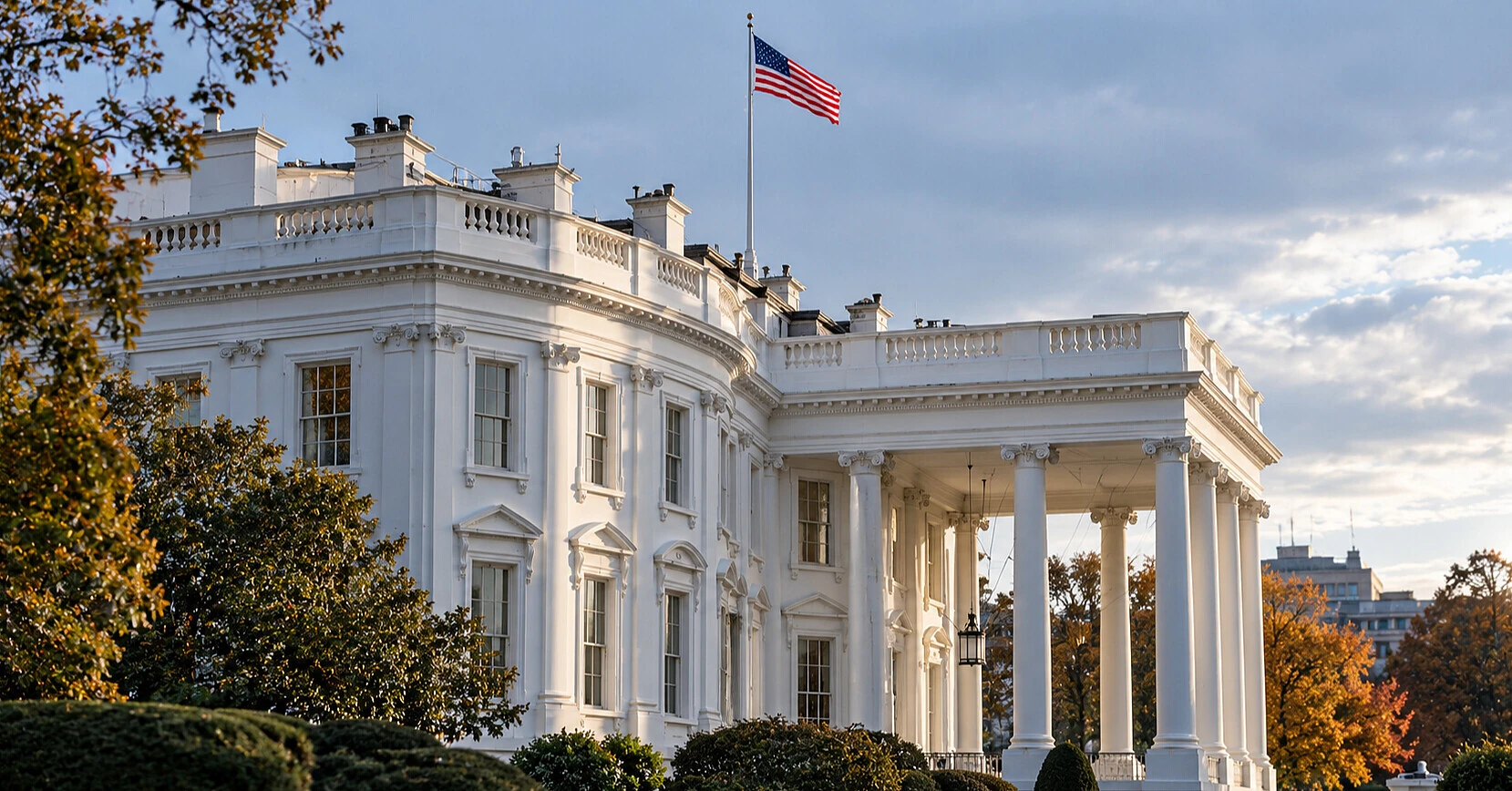
The White House reported this on October 23. According to the US administration, the agreement was reached with the direct mediation of US First Lady Melania Trump.
According to the announcement, Ukraine and Russia agreed to temporarily halt all military actions directly in Oleshky. The ceasefire regime should ensure the possibility of delivering food, clean drinking water, and medicines to the city, as well as creating a safe humanitarian corridor for residents wishing to leave the occupied territory.
This is exclusively a local ceasefire limited to the city’s territory. The White House did not specify how long the truce will last or exactly when the evacuation of civilians will begin.
Melania Trump Mediated the Negotiations
The US administration claims that Melania Trump personally initiated negotiations with both the Ukrainian and Russian sides. The US First Lady and her representative directly interacted with the leadership of both countries, agreeing on the goals of the humanitarian operation, technical procedures, timetables, and conditions for its conduct.
According to Melania Trump, communication channels previously established during negotiations on the return of children and family reunification were used to prepare the operation. The White House stated that these efforts had already contributed to six family reunifications, bringing back 34 children.
After the situation in Oleshky began to be discussed, both sides appointed special teams to coordinate the humanitarian mission. Among the issues that required agreement, the US administration named demining and ensuring the safe movement of the civilian population.
Melania Trump explained that she learned of the critical situation of Oleshky residents during a private conversation at a “Fostering the Future Together” event in New York, which took place during the 81st session of the UN General Assembly.
After that, according to her, contacts were initiated with representatives of Ukraine and Russia aimed at organizing the humanitarian operation.
How the Evacuation of Residents Will Be Organized
According to the agreements reached, civilian representatives of both sides are to interact with residents of Oleshky, visit their homes, and determine what assistance they need.
Those who wish to leave the city are promised organized support and transportation. Moreover, as Melania Trump stated, residents must independently choose the direction of evacuation – to the territory of Ukraine or to Russia.
The US First Lady also announced the involvement of an independent American media company. Its representatives are to accompany the humanitarian mission and document the work of Ukrainian and Russian teams on the ground.
The organizers believe that the presence of independent observers will help ensure respect for the wishes of evacuated families regarding their further place of stay.
The name of the media company has not yet been disclosed by the White House. It is also unclear which international humanitarian organizations will be involved in the operation, how many vehicles are planned to be used, and how many people will be evacuated first.
At the time the US statement was published, no separate official comments from Ukrainian and Russian leadership confirming all the terms of the agreement were provided.
About Two Thousand Residents Remain in Oleshky
According to White House estimates, between 1,700 and 2,000 civilians currently remain in occupied Oleshky. Most of them are elderly people who were unable to leave the city. There are also approximately 50 children among the remaining population.
Before the start of Russia’s full-scale invasion, Oleshky had a population of about 24,000. The US administration points out that a full census of the city has not been conducted since 2022, so the current figures are approximate.
The humanitarian situation in Oleshky remains critical. People are experiencing severe shortages of food, medicines, and drinking water. Access to electricity is limited, and constant shelling and mined roads significantly complicate the possibility of residents leaving on their own.
The city is situated on the occupied left bank of the Dnipro River, opposite Kherson, and remains in close proximity to the front line.
Destruction of the Kakhovka Hydroelectric Power Plant in June 2023 caused additional damage to infrastructure. According to the White House, around 90% of the city’s territory was flooded as a result.
Ukrainian authorities have previously warned of the risk of a humanitarian catastrophe. In particular, on October 22, Verkhovna Rada Commissioner for Human Rights Dmytro Lubinets stated that people in Oleshky are dying due to the lack of essential food and medicine.
The Ukrainian ombudsman estimates that about six thousand civilians, including up to 200 children, may be remaining in the city itself and six neighbouring settlements.
Ukraine Had Been Seeking a Humanitarian Corridor for Weeks
Negotiations on the evacuation of residents from Oleshky have been ongoing for more than a month. The Ukrainian side has repeatedly proposed organizing a temporary ceasefire and safe exit for civilians to Ukrainian-controlled territory.
As early as October 19, Dmytro Lubinets reported that Russia had accepted Ukrainian proposals regarding the organization of an evacuation for consideration. At that time, the ombudsman announced a transition to agreeing on final details, including security guarantees.
He specified that the matter concerned not only Oleshky but also six nearby settlements. According to him, negotiations with the Russian side were taking place daily.
In an interview published on October 22, Lubinets said that the negotiation process had practically reached its final stage. However, a few points remained that the parties needed to finalize.
Earlier, the Ukrainian military made attempts to deliver humanitarian aid to residents without using ground routes. In particular, on October 4, Ukraine’s Ministry of Internal Affairs reported the delivery of almost four tonnes of humanitarian cargo to Oleshky using drones. Food, medicines, and children’s kits were handed over to residents.
However, such supplies could not ensure full provisioning for the remaining population or replace an organized evacuation.
Vatican Joined the Oleshky Negotiations
The humanitarian situation in Oleshky was also discussed at the international level. On October 16, Pope Leo XIV held a telephone conversation with Vladimir Putin, during which he called for a temporary ceasefire to deliver food and medicines and to organize a voluntary evacuation of civilians.
Vatican Secretary of State Cardinal Pietro Parolin said at the time that the pontiff personally launched an initiative to assist the city’s residents and expressed hope that the Russian side would agree to ensure the necessary conditions.
On October 19, Leo XIV discussed the situation in Oleshky with Ukrainian President Volodymyr Zelenskyy. During the conversation, he recalled his appeal to Putin and expressed hope that cooperation between the two sides would allow humanitarian aid to be delivered and civilians to be safely evacuated.
Thus, the White House’s October 23 announcement became the first public statement about a specific agreed date for the start of a local ceasefire in Oleshky.
However, the actual implementation of the humanitarian operation will depend on compliance with the declared agreements and ensuring civilian safety. As of October 23, the evacuation under the new agreement had not yet begun.
