
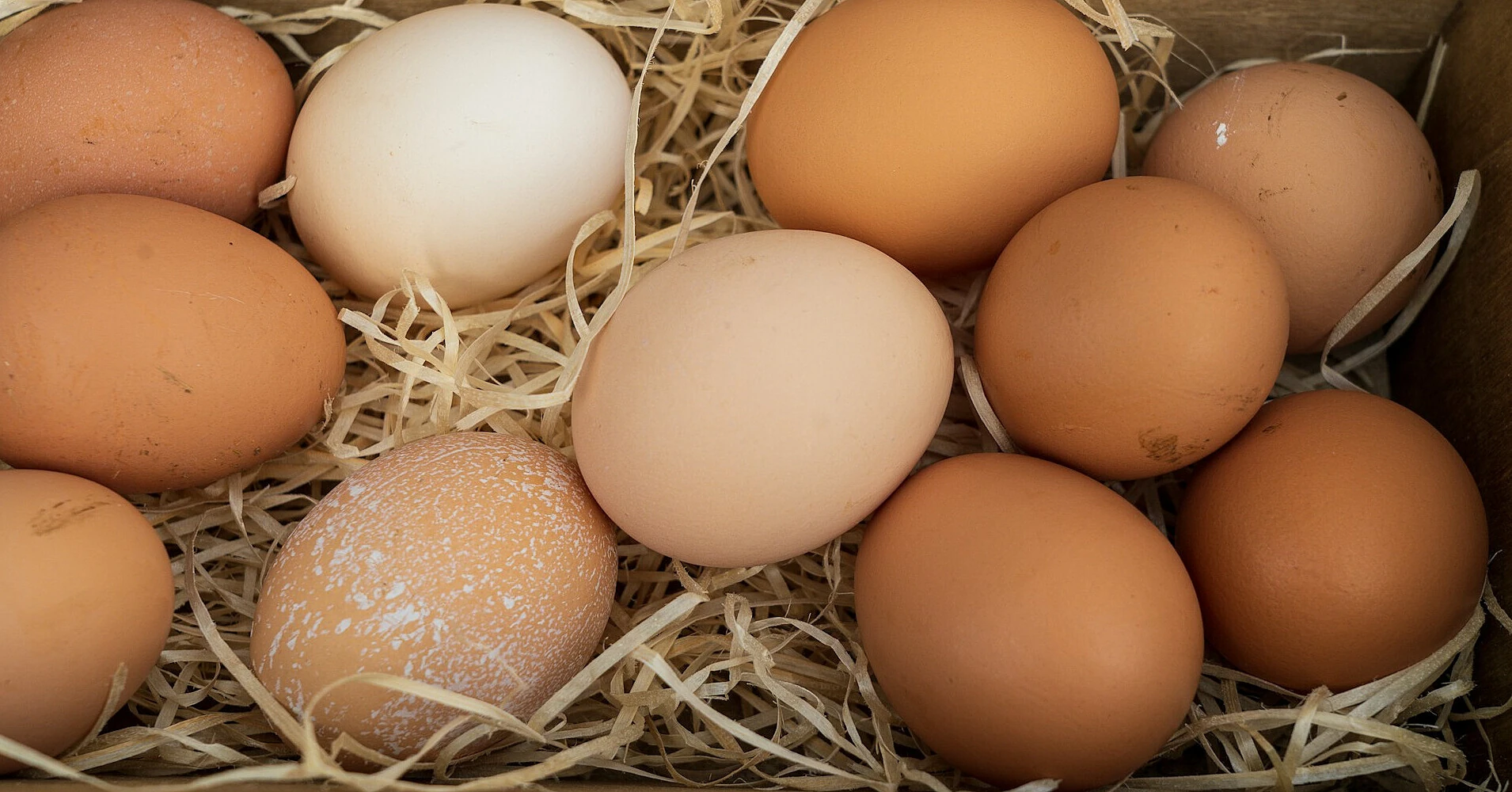
Ukraine sent 1.85 billion eggs abroad over the first nine months of 2026 — a 19% increase from the previous year. More than three quarters of exports went to the European Union. Meanwhile, within the country, egg prices rose by 43.6% in September alone.
A logical question arises: do Ukrainian consumers have to pay more because of growing foreign shipments? Statistics and assessments by agricultural experts show the situation is more complex.
Where Ukraine exports eggs
According to data from the Union of Poultry Breeders of Ukraine, published on October 21, export revenue for January–September reached $179.9 million — 30.7% more than in the same period last year.
The main market was the European Union, accounting for 76.5% of shipments. The largest buyers were Spain (25.2%), the United Kingdom (12.4%), Poland (8.8%), and Czechia (7.9%). Note that the United Kingdom is not part of the EU.
Interestingly, in September, when egg prices sharply rose within the country, exports decreased by 2% compared to August. However, compared to September last year, foreign shipments still grew by 20%.
Why egg prices rose 43.6% in a month
According to official data from the State Statistics Service, in September eggs became the fastest-rising food product in Ukraine. Their cost increased by 43.6% compared to August.
This sharp jump followed a summer drop in prices. Even after the September increase, eggs remained 15% cheaper than in December 2025.
In October, the cost of a dozen category C1 eggs of certain brands reached approximately 82–84 hryvnias. Such figures are provided by the Minfin monitoring for selected supermarkets. Prices can vary significantly depending on the producer, category, and store.
Does export affect prices in Ukrainian stores?
An increase in foreign shipments by itself does not prove that they caused the price rise.
According to an estimate by Maksym Hopka, head of the analytical department at the Ukrainian Agribusiness Club, Ukraine fully meets domestic egg demand, and the export increase does not create a shortage.
One of the main reasons for the autumn price rise remains seasonality. In summer, egg production usually increases, thanks in part to household farms. With the onset of cold weather, supply shrinks, contributing to price growth.
Additional pressure comes from producers' expenses for electricity, backup power sources, logistics, and labor.
How much eggs might cost by year's end
According to a forecast by Maksym Hopka, published at the end of September, in December–January the cost of a dozen eggs could be in the range of 78–90 hryvnias.
Relatively low prices for new-crop grain used in poultry feed may curb the price rise. At the same time, energy and transportation costs continue to affect production costs.
Thus, although Ukrainian egg exports are steadily growing, experts see no signs of a resulting shortage on the domestic market. Future price trends will depend primarily on seasonal supply and producers' costs.
Sources: Union of Poultry Breeders of Ukraine, October 21, 2026; State Statistics Service; The Page — commentary by the Ukrainian Agribusiness Club.
