
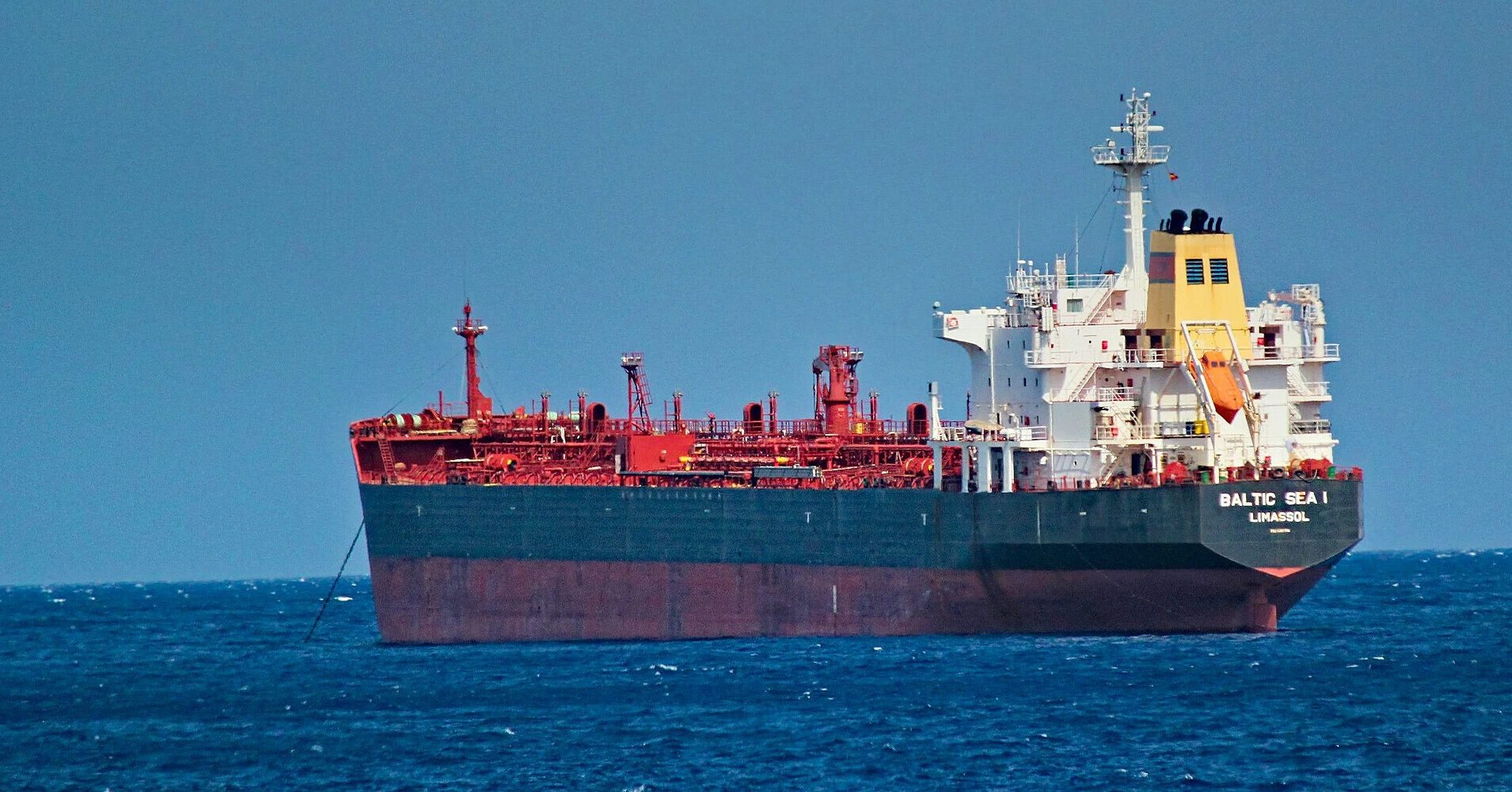
Three tankers carrying about 140 thousand tons of Russian diesel fuel are heading towards the USA after the agreement between Donald Trump and Vladimir Putin on temporary easing of sanctions. One of the ships is under restrictions by the European Union, Great Britain and Canada, which creates legal risks for companies that will participate in the delivery and unloading of fuel.
This is reported by Financial Times with reference to maritime transportation monitoring data.
The Agioi Fanendes tanker, carrying about 40 thousand tons of diesel, may be the first to arrive at American ports. The Maltese-flagged vessel loaded fuel in the Russian port of Primorsk on October 22. According to ship tracking data, its arrival in New York is expected on November 7.
Another tanker, Talisman, is due to reach the US East Coast around November 9.
The third vessel - Leruo under the flag of Sierra Leone, owned by a Hong Kong company, raises the most questions. According to MarineTraffic, the tanker is heading across the Atlantic and indicates an estimated arrival date at the American coast of November 11.
Leruo is on the sanctions lists of Great Britain, the EU and Canada. European authorities imposed restrictions on the vessel in 2025 for transporting Russian oil products using risky practices, including disabling location systems and ship-to-ship cargo transfers.
The presence of the vessel on sanctions lists complicates its servicing, insurance and carrying out financial operations. This is especially relevant for American ports and banks that work closely with European financial institutions.
At the same time, the indicated arrival dates are preliminary. Ships can change routes and final destinations, so the actual delivery of all three batches to the USA is not yet confirmed.
The resumption of supplies became possible after the agreement between Trump and Putin on October 9. The American administration temporarily allowed operations with Russian diesel fuel to increase its supply on the world market and curb price growth.
According to FT data, the average price of diesel at American gas stations reached $6.34 per gallon compared to $3.66 a year earlier. The price increase is related, in particular, to the war in the Middle East and increased costs of transporting oil products.
The agreement provides for the initial introduction to the market of about 300 thousand tons of Russian diesel with the possibility of further increasing supplies. However, the first batches may arrive in the USA already after the midterm congressional elections scheduled for November 3.
Washington's decision drew opposition among American lawmakers. A group of senators from the Democratic and Republican parties warned major banks, port administrations and fuel companies about possible legal consequences of participating in such operations.
In a letter published on October 26, parliamentarians reminded that a 2022 federal law prohibits the import of Russian energy resources. In their opinion, the temporary permit of the Trump administration does not remove all legislative restrictions. At the same time, the American Treasury Department insists on the legality of its decision.
Lawmakers also believe that resuming purchases of Russian fuel will provide Moscow with additional revenues to finance the war against Ukraine.
Despite sanctions disputes, tanker activity in Russian Baltic ports has noticeably increased. According to the shipping brokerage company Clarksons, the number of vessel calls to Primorsk, Ust-Luga and St. Petersburg reached the highest level in almost two years.
At the same time, Russia's ability to increase exports remains limited due to damage to oil refineries as a result of Ukrainian strikes. Analysts do not rule out that the resumption of attacks on refineries may again reduce diesel production and complicate the implementation of agreements with Washington.
Based on materials from: Financial Times, The US Senate Committee on Foreign Relations, The UK Government
