
In Great Britain, two men have been criminally charged as part of an investigation into an incident near RAF Fairford, which is used by American military forces. One of them is suspected of aiding a foreign intelligence service, likely Iranian. The other is accused of illegally entering or approaching a restricted access site with the intent that could harm UK security.
This was announced on 27 October by the Crown Prosecution Service (CPS) and the British counter-terrorism police.
Charges were brought against two 24-year-old London residents – Mohmed Ahmad Abdulkarim and Nouman Essghir. Both are being dealt with under the National Security Act passed in 2023.
According to the prosecution, Abdulkarim, between 31 August and 28 September 2026, carried out actions that could have substantially assisted a foreign intelligence service in operations relating to the UK.
The investigation believes that the man knew or should have been aware of the possible consequences of his actions. British police clarified that the foreign state linked to this case is Iran.
The second defendant, Essghir, is charged under another section of the National Security Act. According to the prosecution, on 22 August he allegedly was near or approached a restricted site with a purpose that could harm the interests of the United Kingdom.
These are two separate charges. Direct assistance to foreign intelligence is currently only charged against Abdulkarim.
The first court hearing in the case was scheduled for 27 October at Westminster Magistrates' Court in London.
Head of the British counter-terrorism police, Lawrence Taylor, said the investigation is ongoing. He said officers continue to investigate possible operations that may have been carried out with the support of Iranian state structures.
Meanwhile, a 25-year-old man with dual British and Iranian citizenship, who was re-arrested on 20 October, was released without new charges. He remains under investigation as part of the initial arrest. The other five men arrested in the case are also at liberty under police-imposed restrictions.
What is known about the incident near the airbase
The investigation began after events on 27 September near RAF Fairford in Gloucestershire in the south-west of England.
Police then received reports of three suspicious vehicles heading towards the military base. Armed officers arrived and arrested five men.
Military explosives experts were called in to check the vehicles. Residents of about 85 nearby houses were temporarily evacuated.
No explosives were found in the vehicles, but officers did find a quantity of petrol. After initial inquiries, the detainees were released on bail without stopping the investigation.
British authorities previously said there is a high probability of Iranian involvement in suspicious activity near the airbase. In particular, Prime Minister Andy Burnham linked a possible operation to the Islamic Revolutionary Guard Corps.
The Iranian side rejected accusations of involvement in the incident.
After the incident the US withdrew bombers
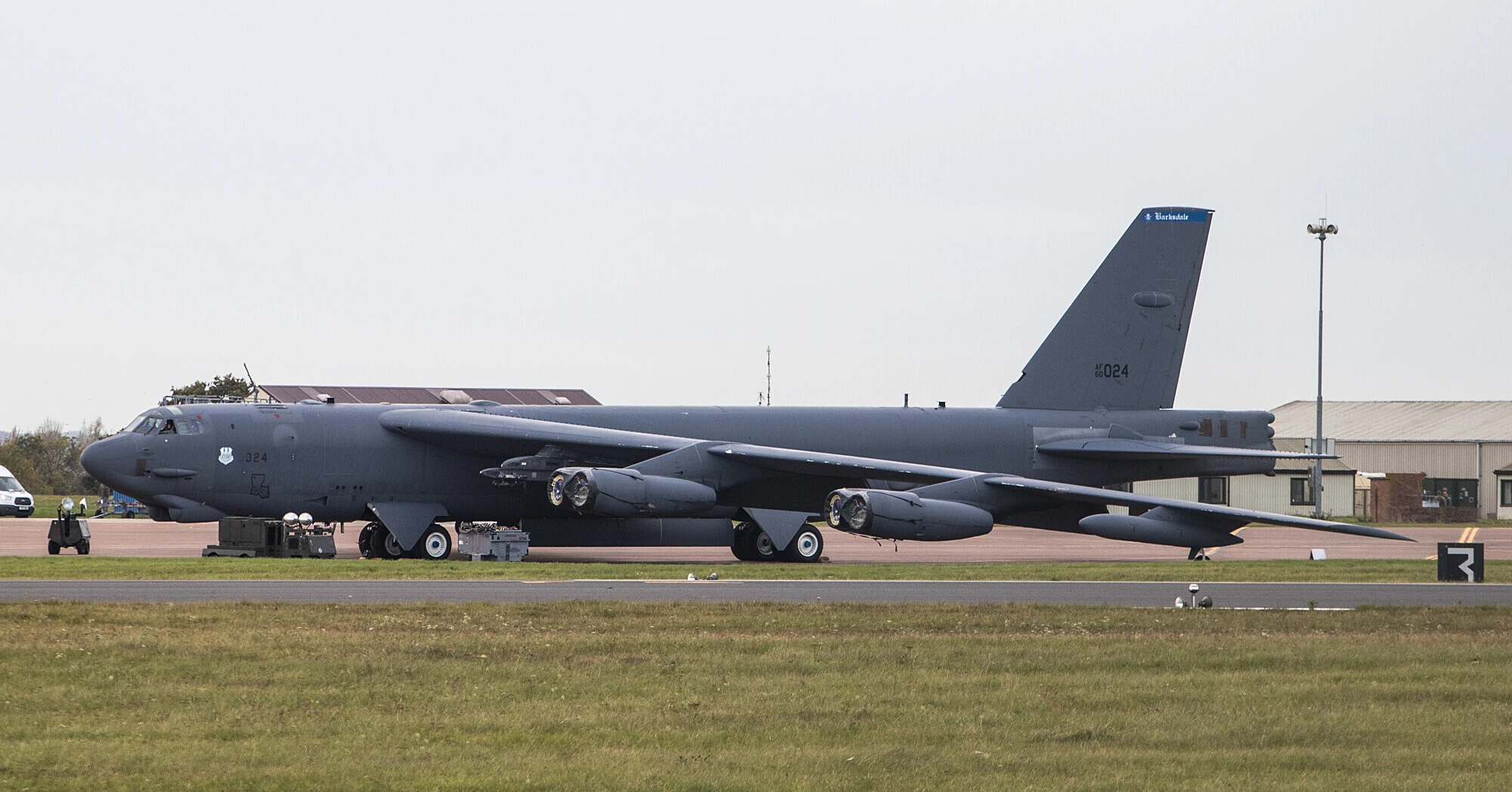
RAF Fairford is an important site for the US Air Force in Europe. The base has been used to station strategic bombers, including B-1B Lancers, which have taken part in operations against Iran.
After the September incident, the United States withdrew its B-1 bombers from RAF Fairford and returned them to US bases.
As previously reported by Current Ukraine, the redeployment took place amid concerns over the safety of American aircraft. At the same time, it is not officially established that the decision to withdraw the aircraft was a direct consequence of the actions of the detainees.
On 12 October, the British government publicly stated the likely involvement of Iranian intelligence services in preparing an attack on the airbase and announced additional counter-measures against threats.
The current charges are a new stage in the investigation. At the same time, the Crown Prosecution Service stresses that the very fact of sending the case to court does not mean guilt has been established. The final decision rests with the court.
Based on materials from: Crown Prosecution Service, UK Counter Terrorism Policing
