
The Kyiv authorities plan to allocate UAH 1 billion for the construction of combined water crossings across the Dnipro and access roads to them. The project is intended to provide an alternative connection between the banks of the capital amid intensified Russian strikes on bridges and transport infrastructure.
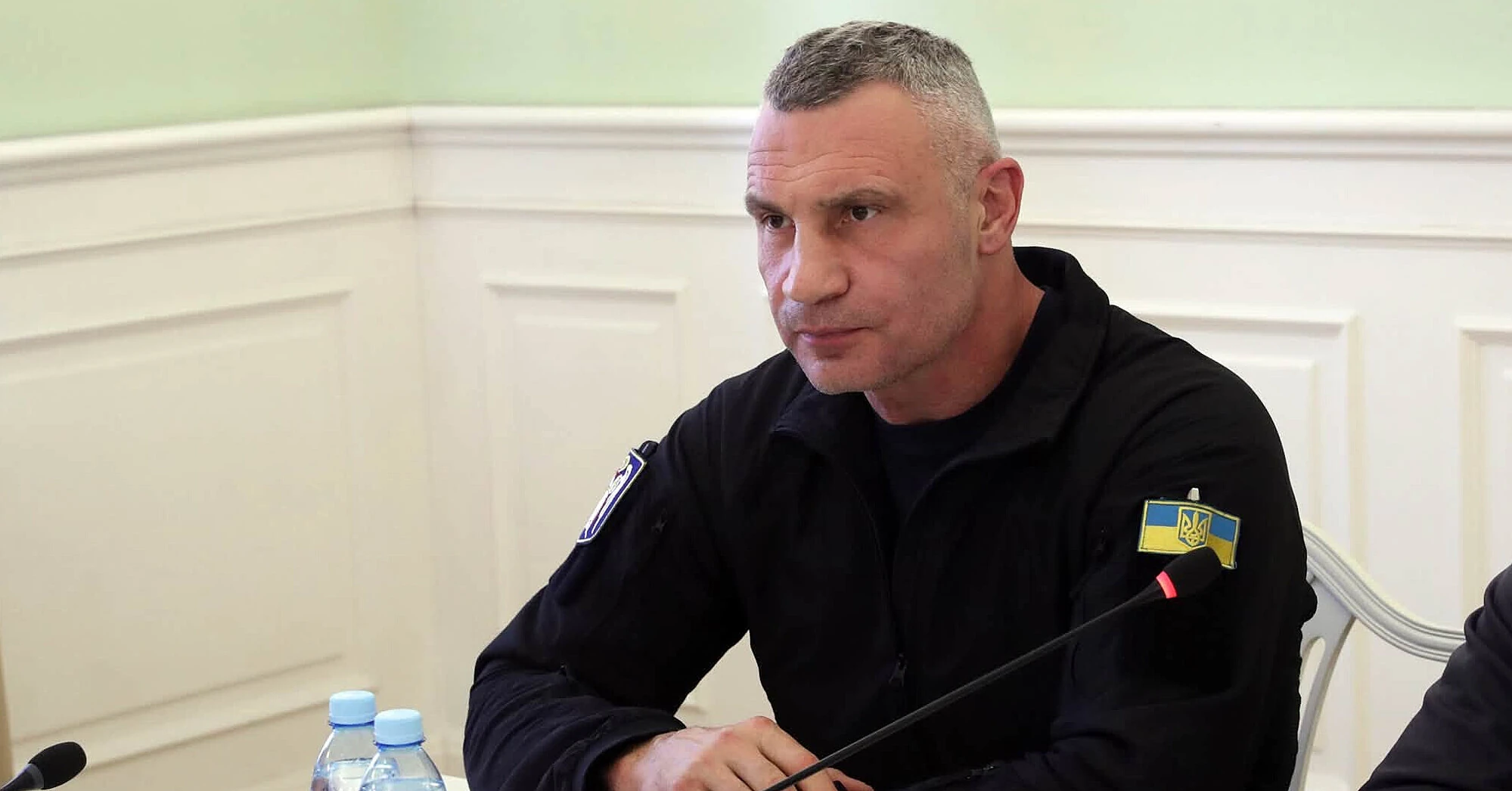
Mayor Vitali Klitschko announced this on October 27 following a meeting of the Kyiv Defense Council.
According to the mayor, meeting participants considered the implementation of the project to build additional crossings across the Dnipro. The initiative came from the central government, and the Cabinet of Ministers has already adopted a relevant resolution.
Kyiv is to provide financing for the project in the amount of UAH 1 billion. Klitschko noted that the city will find the necessary funds in accordance with the government's recommendations.
At the same time, the mayor did not specify which budget programs will finance the construction or when the funds will begin to be used.
Where the new crossings will be built
According to Klitschko, the locations of the future crossings will be determined by the military command. The relevant decisions must be approved by authorized bodies, including the Kyiv City Military Administration.
The mayor did not name the specific sections of the Dnipro where the new crossings are planned. The number of crossings and construction completion dates were also not announced.
On October 15, the Cabinet of Ministers adopted Resolution No. 1295, which provides for the implementation of an experimental project to build combined water crossings and access roads to them.
The document establishes a special procedure for carrying out such works under martial law. The Ministry of Restoration, Ministry of Defense, State Agency for Restoration, military administrations, and other state institutions are involved in the project.
The government also recommended that local authorities provide funding for priority construction works from local budgets during 2026.
Earlier, Minister of Restoration, Infrastructure, and Transport Mykola Kalashnyk reported that among the options for quickly creating a reserve connection between the banks of the capital, a combination of embankment dams and pontoon crossings is being considered.
Such structures are to become an alternative to the existing bridges in case of their damage or traffic restrictions due to Russian attacks. At the same time, the final technical parameters of the new project have not been publicly disclosed.
Kyiv is preparing additional protection for bridges
The capital's Defense Council meeting also addressed the safety of existing bridge structures across the Dnipro.
Klitschko reported that specialists from relevant city institutions are developing additional technical solutions to preserve bridge structures under intensified Russian shelling.
Meeting participants heard proposals from the military command regarding the protection of bridge crossings.
The issue has become particularly urgent after another Russian attack on the Pivdennyi Bridge on the night of October 27.
As previously reported by "Kurs Ukrainy", the strike damaged the infrastructure of the Kyiv Metro on the bridge. Road traffic was closed, and restrictions were introduced on the green metro line.
This is not the first strike on the transport crossing in October. Russian attacks have repeatedly led to restrictions on connections between the right and left banks of the capital and significant traffic disruptions.
The need to maintain transport connections between the banks of the Dnipro in the event of new damage is one of the main arguments in favor of constructing backup crossings.
In addition to bridges, the Kyiv Defense Council considered the issue of arranging shelters, including the installation of mobile protective structures. Klitschko reminded district heads of the need to determine funding priorities for such works and, if necessary, reallocate already allocated funds.
Based on materials from: Vitali Klitschko, Resolution of the Cabinet of Ministers No. 1295
