
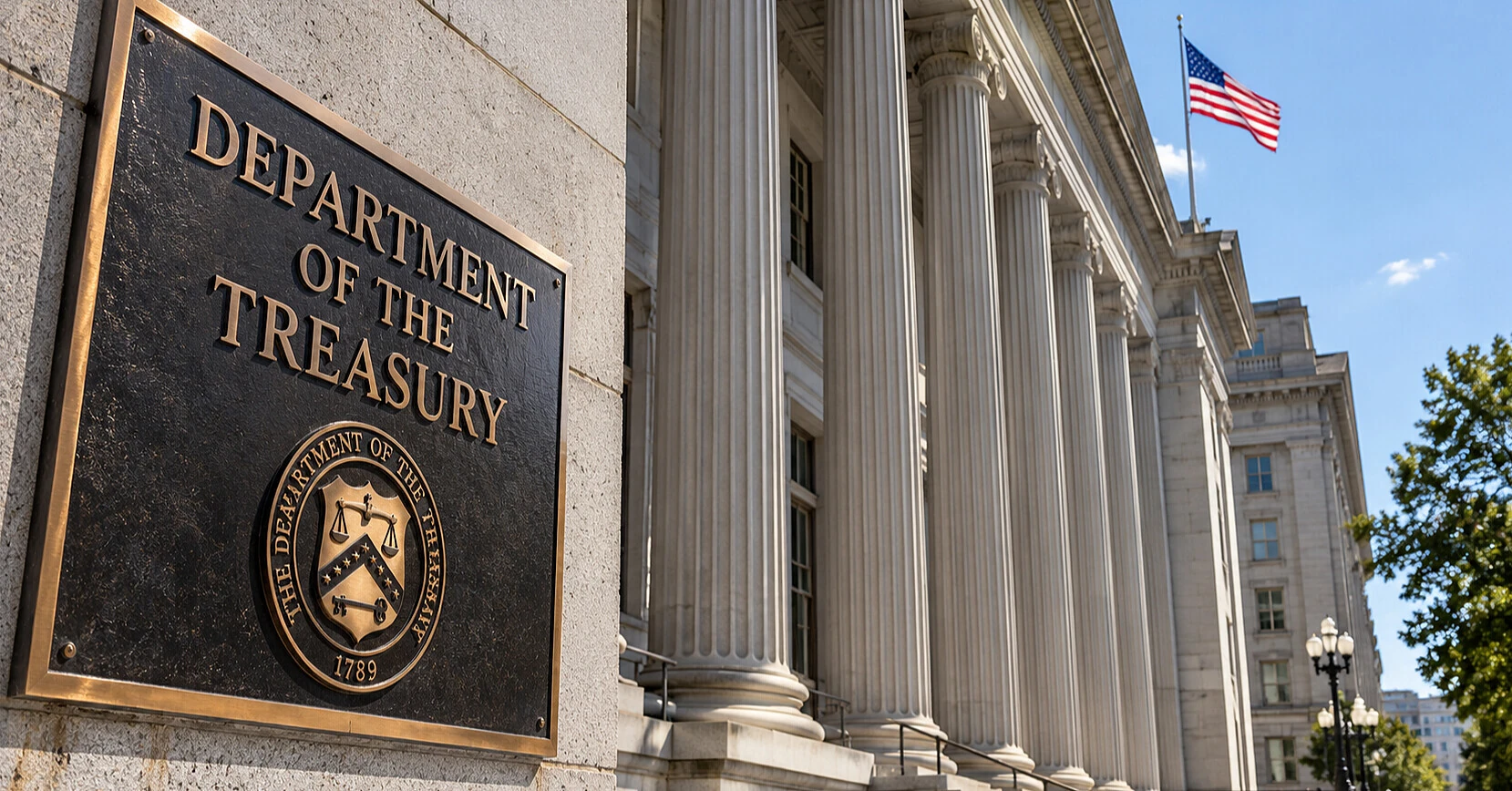
The United States has imposed new sanctions against an international network that helped North Korean IT specialists get jobs at American companies under false identities. According to Washington, the money obtained in this way was used to finance North Korea's nuclear and missile programs.
Reuters reported this on October 28, citing the US Department of the Treasury.
The Office of Foreign Assets Control (OFAC) sanctions targeted ten individuals and one organization. Among them are North Korean IT specialists, financial intermediaries, and participants in schemes operating in Russia.
As the US Treasury Department specifies, North Korean authorities use fake documents, stolen personal data, and fictitious biographies to place their citizens in remote work for foreign companies.
Most of the wages of such employees are confiscated by North Korean authorities and directed to state weapons programs. According to Treasury estimates, such activity annually brings Pyongyang hundreds of millions of dollars.
Moreover, threats to employers are not limited to financial fraud. After gaining access to corporate information systems, some North Korean specialists introduced malicious software and stole confidential data and commercial developments.
US authorities also found that network participants used cryptocurrency transfers, complex money laundering schemes, and artificial intelligence tools to conceal their activities.
Russian intermediaries facilitated money movement
The US Treasury named Russian citizen Vitold Obertas as one of the key participants in the scheme. According to the department, since January 2025, he carried out cryptocurrency conversion transactions of almost $2 million on behalf of North Korean officials. Additionally, transactions in other currencies totaling at least $1.25 million passed through him.
Another Russian citizen, Ilya Boykov, has provided financial and organizational support to Alis, a company linked to the North Korean IT network, since 2024. The US Treasury estimated the volume of cryptocurrency transactions involving him at approximately $3.5 million.
Also sanctioned was First Financial and Technical Development Center (FFTDC), which, according to OFAC, is located in Russia and controlled by North Korean authorities.
Since 2024, this entity has used North Korean programmers to generate revenue for Pyongyang. Six associated specialists working in Russia have earned more than $750,000 for the organization since 2025.
The US department alleges that FFTDC employees used artificial intelligence tools and multi-step cryptocurrency transfers to receive and move funds.
What restrictions did the US impose?
The new sanctions provide for the blocking of assets of the designated individuals and entities within US jurisdiction. US citizens and companies are prohibited from conducting financial transactions with them without special permission from OFAC.
Restrictions also extend to companies that are 50% or more owned by sanctioned persons. Foreign financial institutions that participate in prohibited transactions risk facing additional US sanctions.
The Treasury emphasized that combating such networks requires international cooperation. In October, Australia and the European Union also imposed sanctions related to North Korea.
The new measures are a continuation of the US campaign against illegal employment of North Korean citizens abroad. In March 2026, Washington already restricted the activities of another network of North Korean IT specialists.
As Kurs.com.ua previously reported, on October 13, the US Department of Justice announced the exposure of a fraudulent scheme whose participants gained remote employment at more than 70 American companies. According to investigators, they received about $3 million, using fake documents and special computer networks to conceal their actual location.
North Korea's mission to the United Nations in New York did not respond to a Reuters request for comment on the new sanctions at the time of publication.
