
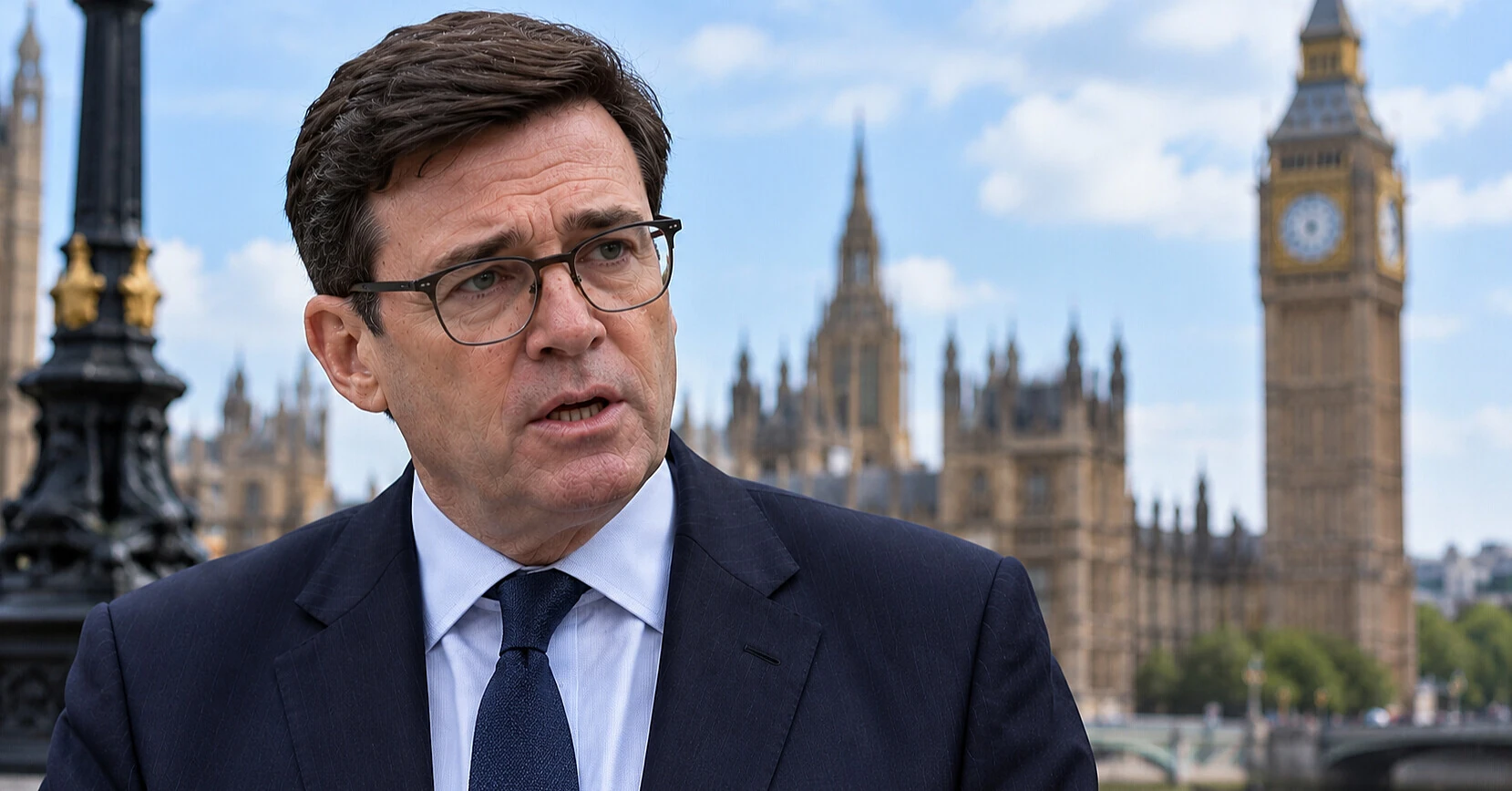
British Prime Minister Andy Burnham stated that his government does not plan to return the country to the European Union or restore freedom of movement for citizens during the current parliamentary term. However, London intends to review the existing trade agreements with Brussels, which the British Prime Minister considers disadvantageous for the economy.
BBC reported this on October 28, following Burnham's speech in the House of Commons.
The statement came after several days of discussions about a possible review of the consequences of Brexit. Opposition Conservative Party leader Kemi Badenoch demanded the Prime Minister explain whether he intends to hold a new referendum on Britain's return to the European Union.
Burnham replied that there is no uncertainty in the government's position. According to him, the Cabinet adheres to an agreed policy that aligns with the Labour Party's election pledges.
The Prime Minister confirmed that until the end of the current parliamentary term, the UK will not return to the EU single market, customs union, or restore freedom of movement.
However, he declined to defend the Brexit deal reached by the previous Conservative government. In Burnham's assessment, the terms of the UK's exit from the EU were significantly harsher than what was promised during the 2016 referendum.
The Prime Minister believes the current agreement created additional administrative barriers for British businesses, limited economic growth, and did not provide the expected control over migration.
According to the official transcript of the parliamentary debate, Burnham intends to seek improved terms of trade with the European Union, particularly for agricultural producers, the automotive and steel industries.
New phase of negotiations with the European Union
A UK-EU summit is scheduled for November 20 in Brussels, where the parties will discuss expanding economic cooperation.
According to BBC, the British government hopes to reach practical agreements in trade of food, energy, and youth mobility.
London is also interested in reducing bureaucratic procedures for exporters, simplifying access of British products to the European market, and improving cooperation on migration issues.
Burnham emphasized that preparations for the upcoming summit were the reason for intensifying discussions on EU relations.
However, a broader review of Brexit, including a potential return to the single European market, will only be considered after the next parliamentary elections.
As reported by The Independent, on October 28 the Prime Minister sent a letter to government members outlining a two-stage approach to relations with Brussels.
In the first stage, the Cabinet should focus on improving existing agreements within the framework of current election pledges. After the November summit, an assessment will begin of long-term cooperation options that could be proposed to British voters in the future.
Burnham stressed that any fundamental changes in relations with the European Union must receive the support of British citizens. However, the government has not yet made a specific decision on holding another referendum.
In the letter, the Prime Minister also urged ministers to maintain a unified position and refrain from publicly supporting individual options for future relations with the EU until the government assessment is completed.
The Conservative opposition opposes a return to discussions about EU membership. Kemi Badenoch accused the Prime Minister of inconsistency and stated that the UK should respect the results of the 2016 referendum.
For his part, Liberal Democrat leader Ed Davey suggested the government go further and consider returning to the customs union and the single European market. In his opinion, this would accelerate economic growth and ease trade.
However, Burnham rejected the possibility of such changes during the current parliamentary term, confirming that improving existing trade agreements will remain the government's immediate priority.
Sources: BBC, UK Parliament, The Independent, Anadolu.
