
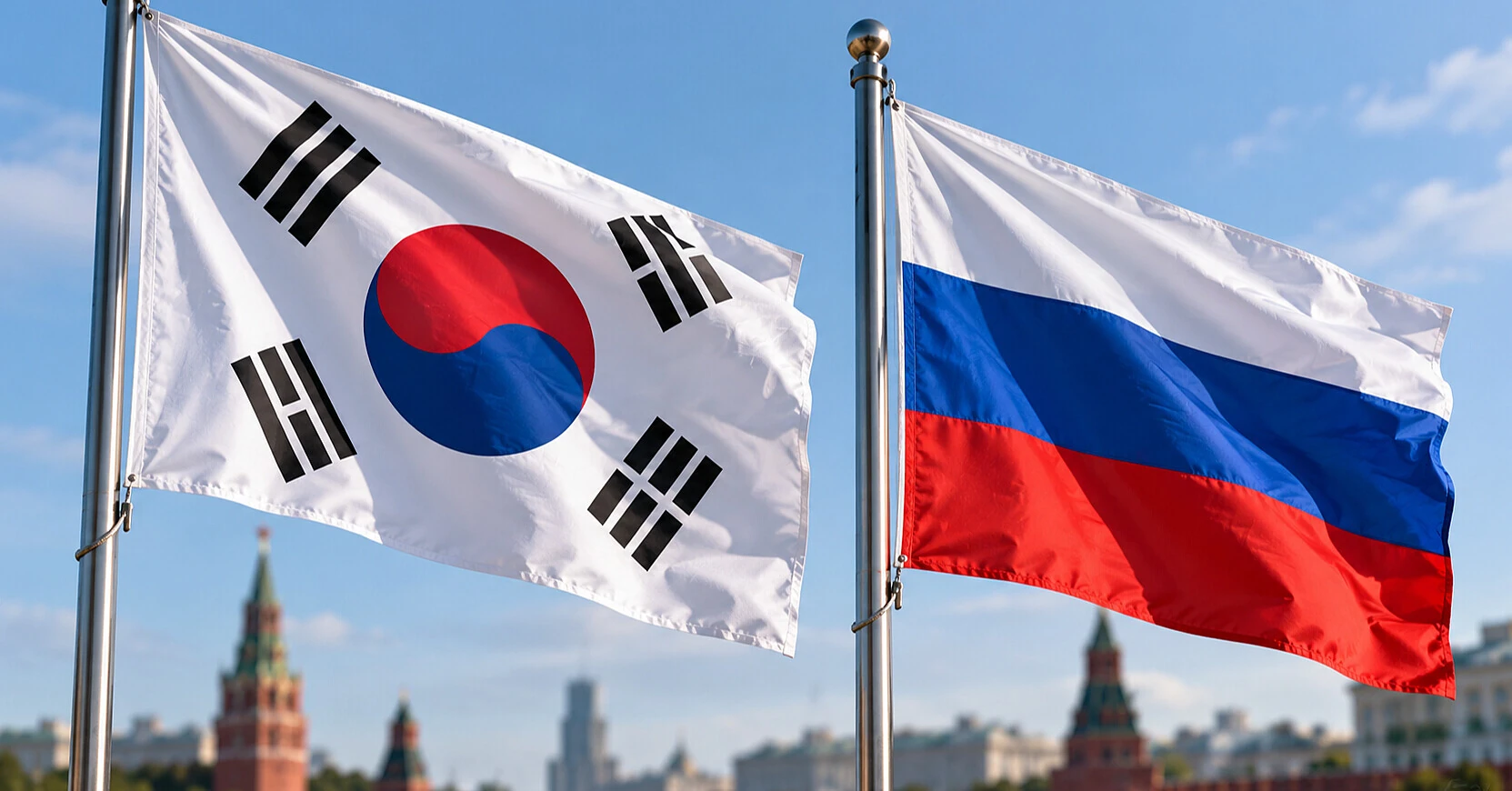
Some European diplomats in Seoul are expressing concern over South Korea's contacts with Russia and questioning the country's reliability as an international partner. Diplomats fear that the South Korean government is seeking to preserve the possibility of resuming economic cooperation with Moscow after the end of the war against Ukraine.
This was reported on October 28 by Financial Times citing European diplomats and experts. At the same time, these are assessments by the publication's interlocutors, not an official change in South Korea's foreign policy course.
One of the reasons for concern was the first voyage of the South Korean container ship PanStar Acro along the Northern Sea Route along the Russian Arctic coast. The use of this route requires close interaction with Moscow. European partners are also worried about reports of transportation of fuel from South Korean ports to Russia and insufficiently strict control over exports of dual-use industrial equipment.
FT also draws attention to diplomatic contacts between the countries. In November 2025, the Institute for National Security Strategy, associated with South Korean intelligence, held closed consultations with the Russian International Affairs Council. In June 2026, the head of the institute visited Moscow for a strategic dialogue. In addition, President Lee Jae-myung in October appointed Song Young-gil, who previously advocated for developing relations with Russia, as a special advisor for peace diplomacy.
South Korea's Ministry of Foreign Affairs rejected assumptions of rapprochement with Moscow. The ministry emphasized that the country supports international efforts to end the war in Ukraine and restore peace. Authorities are also investigating the circumstances of oil product shipments to Russia, including possible misdeclaration of destinations.
Meanwhile, Kim Se-me, an expert at the Asan Institute for Policy Studies, believes that the Lee Jae-myung administration is moving toward a more pragmatic foreign policy focused on national interests rather than making a pro-Russian pivot. At the same time, she warns that military cooperation between Moscow and Pyongyang directly increases threats to South Korea itself.
European countries' ability to influence Seoul is limited by their dependence on South Korean defense industry. In particular, Poland has ordered tanks, artillery, fighter jets, and missile systems worth over $18 billion from South Korea since 2022.
