
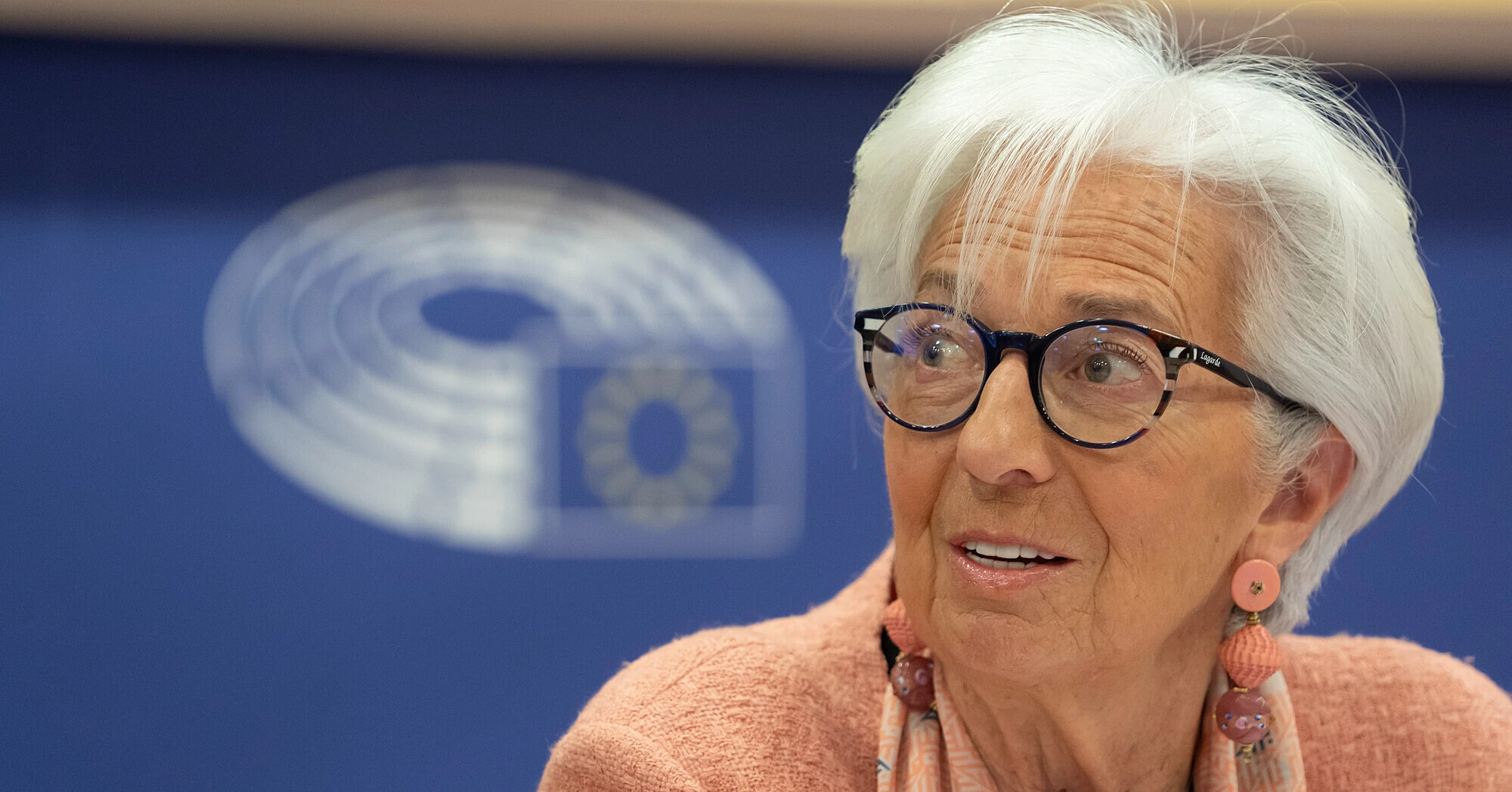
European Central Bank President Christine Lagarde has announced her early resignation. She will leave office on 7 February 2027 - almost nine months before the end of her eight-year mandate. This accelerates the process of leadership change at one of the world's most influential central banks, which sets interest rates for 21 euro area countries.
The European Central Bank officially announced this on 29 October. Bloomberg also covered Lagarde's decision.
Lagarde informed the members of the ECB Governing Council and President of the European Council António Costa of her decision. She has headed the regulator since November 2019, when she succeeded Mario Draghi. According to the initial schedule, her term of office was to end on 31 October 2027.
In a video address, Lagarde said she leaves the institution with a sense of work done and confidence in its readiness for future challenges. At the same time, she did not detail the reasons for the early decision.
The resignation triggers a contest for the ECB leadership amid rising inflation and tensions in the European debt market. The new president will have to determine monetary policy together with the Governing Council against the backdrop of high energy prices, economic uncertainty and public finance problems in individual euro area countries.
President of the European Council António Costa said the procedure for appointing a successor will begin immediately to ensure continuity of ECB leadership. Eurogroup President Kyriakos Pierrakakis also promised to promptly prepare recommendations on the candidacy.
According to the European Council procedure, candidates are proposed by euro area countries, after which they are discussed by the Eurogroup. The final decision is made by euro area leaders after consultations with the European Parliament and the ECB Governing Council. An enhanced qualified majority is required for the appointment.
The name of the future president has not yet been announced. At the same time, Lagarde's early departure coincides with other personnel changes in the regulator's leadership. In early January 2027, Isabel Schnabel will leave the ECB Executive Board, and at the end of May the term of office of chief economist Philip Lane will end.
Financial markets reacted cautiously to the announcement. According to Bloomberg, the yield on ten-year German government bonds remained near 3.36%, down about one basis point. The spread between French and German bond yields of the same maturity was about 154 basis points.
The resignation announcement came on the day of the ECB's interest rate meeting. Investors expect the regulator to keep the deposit rate at 2.5%, but will watch closely for signals on further monetary policy tightening due to inflation risks.
The change of the ECB president itself does not mean automatic rate changes. Decisions on borrowing costs are taken by the Governing Council collegially. However, the position of the new head will matter for the regulator's future policy, and therefore for the euro exchange rate, cost of credit and the European government bond market.
Based on materials from: European Central Bank, Bloomberg, European Council
