
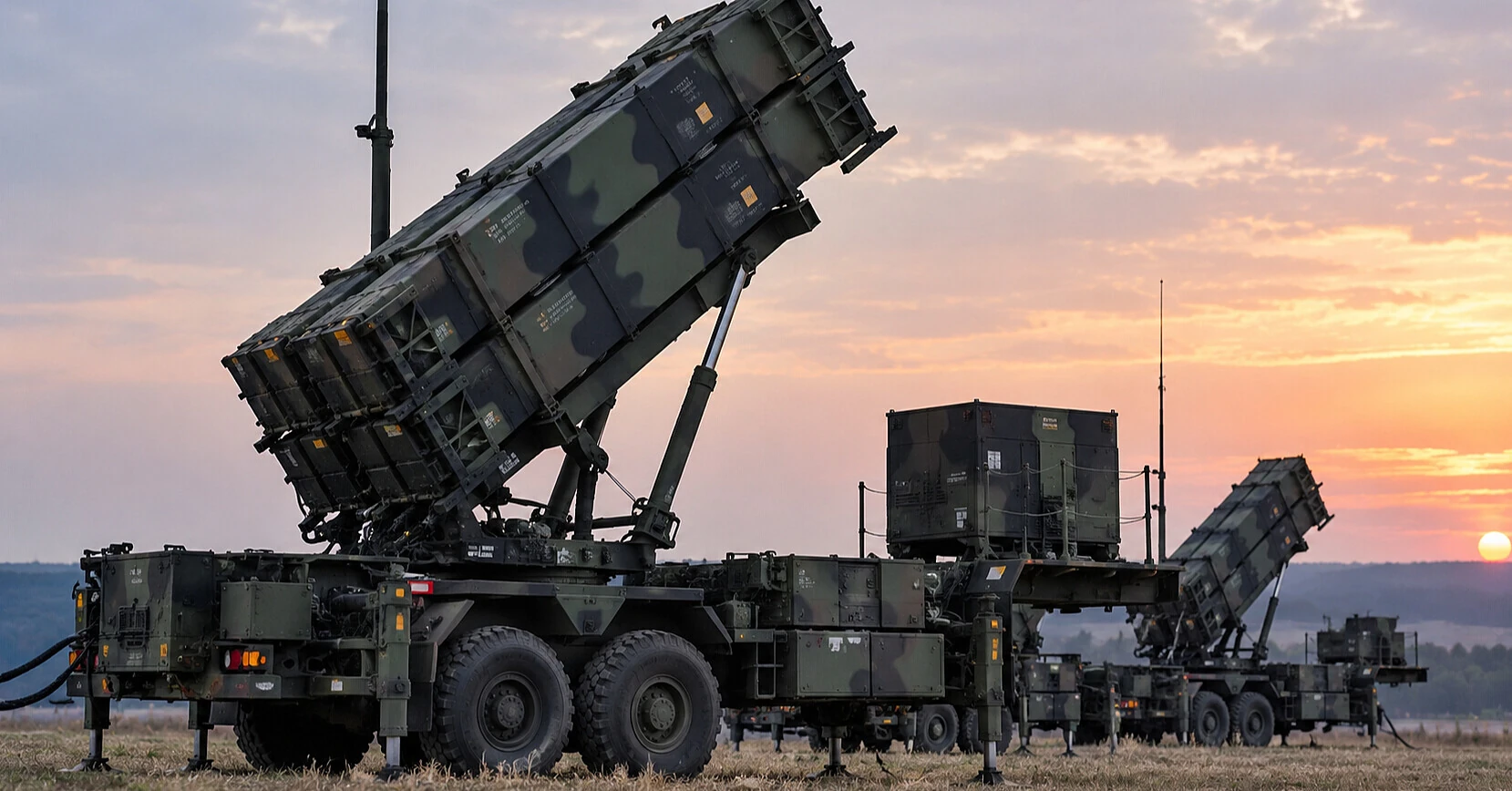
NATO countries increasingly doubt that Ukraine will receive additional American Patriot interceptor missiles before the midterm elections to the US Congress scheduled for November 3. Allies fear that President Donald Trump's administration is deliberately delaying weapons deliveries to increase pressure on Kyiv during peace talks.
Euronews reported this on October 29, citing sources in the North Atlantic Alliance. The sources admitted that the situation remains unpredictable and the exact timing of the transfer of missiles to Ukraine is unknown.
According to the journalists, European allies suspect that the White House is using the delay in military aid as an additional lever of influence on the Ukrainian leadership. One source said Trump wants to maximize available pressure on Kyiv ahead of the US elections.
In particular, Washington wants to accelerate negotiations on ending the war, which may involve territorial concessions by Ukraine. Two Euronews sources noted that the US administration is disappointed by the lack of progress in resolving the conflict.
However, the assumptions about political motives for the delay remain assessments by the outlet's sources. There is no official confirmation that the US president ordered a suspension of deliveries to pressure Ukraine.
Missile deliveries awaiting approval for almost a month
President of Ukraine Volodymyr Zelenskyy said on October 26 that Kyiv has been waiting for almost a month for US Secretary of Defense Pete Hegseth's approval to transfer additional missiles for Patriot and NASAMS systems.
Part of this weaponry has already been paid for by European partners under the PURL program, which provides for the purchase of American weapons for Ukraine using NATO member state funds.
As previously reported by Kurs.com.ua, approval of some deliveries is being delayed despite allies' readiness to finance the transfer of necessary munitions.
This does not concern a complete halt of all Patriot missile deliveries. According to Radio Svoboda on October 29, the US is primarily delaying the transfer of PAC-3 interceptors designed to counter ballistic missiles.
Older PAC-2 missiles, which are used mainly against aircraft and cruise missiles, continue to flow to Ukraine under the PURL program. According to a NATO source cited by the outlet, the issue of the PAC-3 delay is being discussed at a high political level.
US missile shortage worsens due to war with Iran
According to Euronews, the growing shortage of American interceptors amid the US war with Iran has become another obstacle to deliveries.
The Ukrainian side estimates monthly production of American Patriot missiles at approximately 60–65 units. Meanwhile, according to Zelenskyy, Russia fired more than 100 ballistic missiles at Kyiv and the region in just the past two weeks.
American manufacturers must simultaneously meet the needs of their own military, Ukraine, and other US allies, including Middle Eastern states.
According to estimates by the Center for Strategic and International Studies (CSIS), US PAC-3 stockpiles have been significantly reduced by combat operations against Iran. Replenishing reserves requires substantial financial resources and time.
Former US Ambassador to NATO Kurt Volker allows that Washington is postponing missile transfers partly because of a possible renewal of intense fighting against Iran. In his view, the Pentagon may seek to maintain a sufficient stockpile of interceptors for its own operations.
At the same time, US Secretary of State Marco Rubio has previously denied any political decision to harm Ukraine. He explained the need for delivery approvals as a balance between commitments to partners and US defense needs.
NATO urges European countries to transfer their own stockpiles
Amid the uncertainty over US deliveries, NATO leadership is increasing pressure on European allies that possess missiles for Patriot systems.
Alliance Deputy Secretary General Radmila Shekerinska called on states to transfer available PAC-2 and PAC-3 missiles to Ukraine without waiting for new batches from manufacturers.
As reported on NATO's official website, Shekerinska stressed the critical need for additional air defense means to protect Ukrainian cities.
Euronews particularly notes Greece and Spain, which have substantial PAC-2 missile stockpiles. However, both countries have not yet agreed to transfer additional interceptors to Ukraine.
Shekerinska also stated that arms deliveries under the PURL program as a whole continue on schedule. Nevertheless, this does not rule out delays in certain missile categories as reported by NATO sources.
The problem may persist into next year. A new PAC-2 missile production line in Germany, according to Euronews, is not expected to begin deliveries earlier than December 2026 or January 2027. The possibility of licensed production of more modern PAC-3 missiles is also being discussed, but it will not quickly resolve the shortage.
Thus, Ukraine may not receive additional PAC-3 missiles needed to counter Russian ballistic strikes before the US elections on November 3. Washington has not officially announced that deliveries are being postponed specifically until after the elections.
