
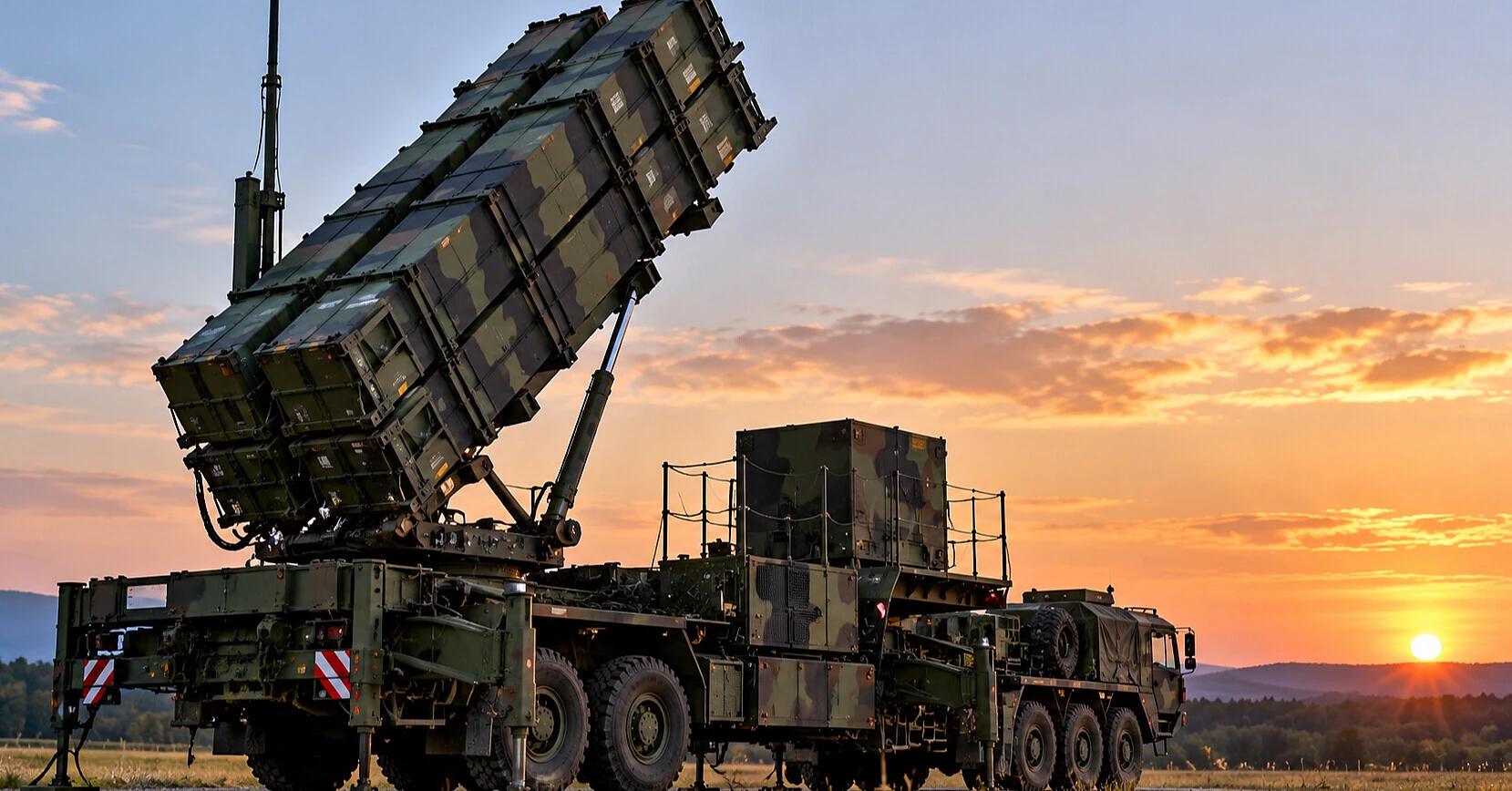
The U.S. State Department has approved the possible sale to Ukraine of PAC-3 interceptor missiles for Patriot air defense systems and associated equipment. The total estimated cost of the potential deal is 2.1 billion dollars.
The U.S. State Department announced this on October 30. Politico journalist Paul McLeary also drew attention to Washington's decision.
The purchase is expected to be fully funded by Ukraine's partners and allies. Thus, this concerns the sale of American weapons with international financing, rather than the allocation by Washington of a new package of grant military aid for the specified amount.
The U.S. foreign affairs agency emphasized that the proposed sale serves U.S. foreign policy and national security interests by enhancing Ukraine's defense capabilities and security in Europe.
However, State Department approval does not yet mean the conclusion of a final contract or the transfer of missiles to the Ukrainian side. The decision was made under the U.S. Foreign Military Sales (FMS) procedure. The subsequent implementation of the purchase requires completion of prescribed procedures and formalization of relevant arrangements.
PAC-3 missiles are primarily designed to intercept ballistic targets. They are a key means of countering Russian ballistic missile strikes on Ukrainian cities and critical infrastructure.
Washington's decision comes amid reports of delays in deliveries of such interceptors to Ukraine. As Kurs Ukrainy previously reported, on October 29, NATO sources said that the transfer of PAC-3 missiles remains blocked, although deliveries of older PAC-2 interceptors continue under the PURL program.
Ukrainian President Volodymyr Zelenskyy also said on October 26 that Kyiv has been waiting for almost a month for approval of certain missile deliveries for Patriot and NASAMS from U.S. Secretary of Defense Pete Hegseth.
In September, the European Commission agreed to use European loan funds for the purchase of American PAC-3 interceptors. Special exceptions to the rules orienting defense procurement toward European and Ukrainian manufacturers are provided for this purpose.
However, it is not yet known when exactly Ukraine will receive missiles under the newly approved $2.1 billion deal. The final number of interceptors and delivery schedule have also not been announced.
