
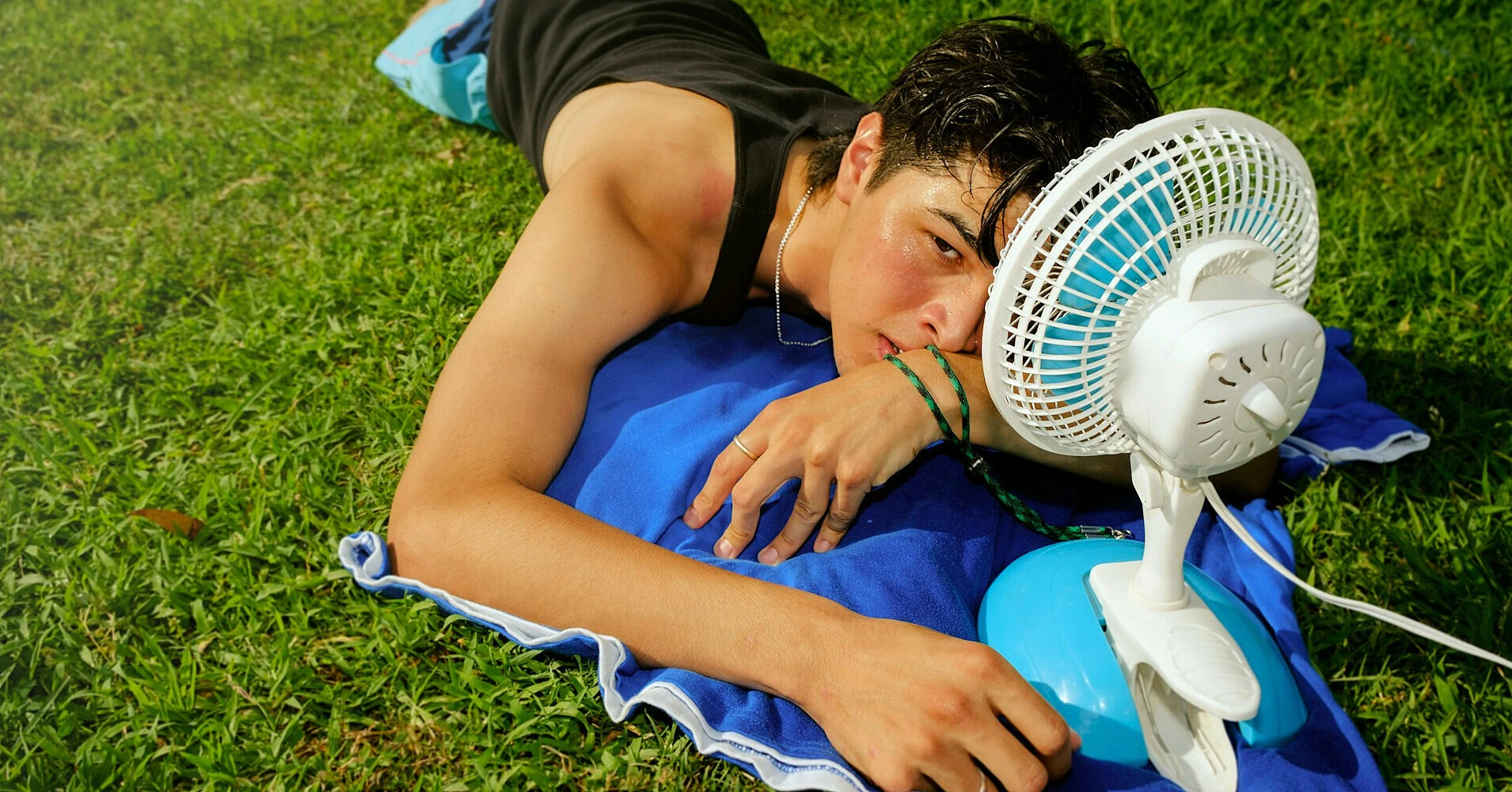
Physical work, training, and overheated housing can make heat dangerous for young people as well. A new Lancet Countdown report estimates the number of heat-related deaths worldwide at 710 thousand in 2023.
The World Health Organization reported the main findings of the 2026 report on October 28. Researchers estimate that more than 70% of heat-related deaths in 2023 were due to climate change caused by human activity.
710 thousand is an estimate for 2023, not the number of deaths this summer. It reflects the association of high temperatures with overall mortality: the consequences of heat are not limited to cases where the cause of death is directly attributed to heat stroke.
Risk depends not only on age, WHO explains. When the body tries to cool down, the heart and kidneys experience additional strain. Overheating can worsen cardiovascular and respiratory diseases, diabetes, and lead to acute kidney injury.
Elderly people remain especially vulnerable. However, physical exertion creates a separate risk: the body produces more heat, while high temperature and humidity hinder its release. WHO highlights manual laborers, outdoor workers, and athletes.
The danger can persist after sunset. If it does not get cooler at night, the strain on the body accumulates. Overheated housing and inability to cool down prolong heat exposure—even after a person has finished work or exercise.
For Ukrainians working abroad in construction or agriculture, shift conditions and the opportunity to rest in a cool place matter. For families in Ukraine and beyond, housing temperature is important, especially at night.
The report also shows a broader trend: average annual heat-related mortality after the Paris Agreement entered into force increased by almost 36% compared with the previous decade. This is a comparison of periods, not an increase in a single year.
The authors call for recognizing climate change as a global health emergency. Among the necessary measures they cite reducing emissions, preparing health services, and protecting people from climate risks.
For the public, WHO recommends following heat warnings, avoiding heavy exertion during the hottest hours, and spending time in a cool room. The organization advises ventilating housing at night when it is cooler outside than inside.
Sources: WHO on report findings, Lancet Countdown 2026, WHO on heat and health
