
Protests over the cost of living, expensive rent and the state of public services are continuing in several EU countries. The last weekend of October brought clashes in France and Germany, arrests in the Netherlands and the dismantling of tent camps in Portugal. Now unions are preparing November strikes that could affect businesses, transport and government services.
Demands differ by country, but many participants are talking about the same problem: incomes are not enough for housing and everyday expenses, and the quality of services available to people is deteriorating. Student protests are intersecting with union actions and housing protests, although these movements have no single leadership.
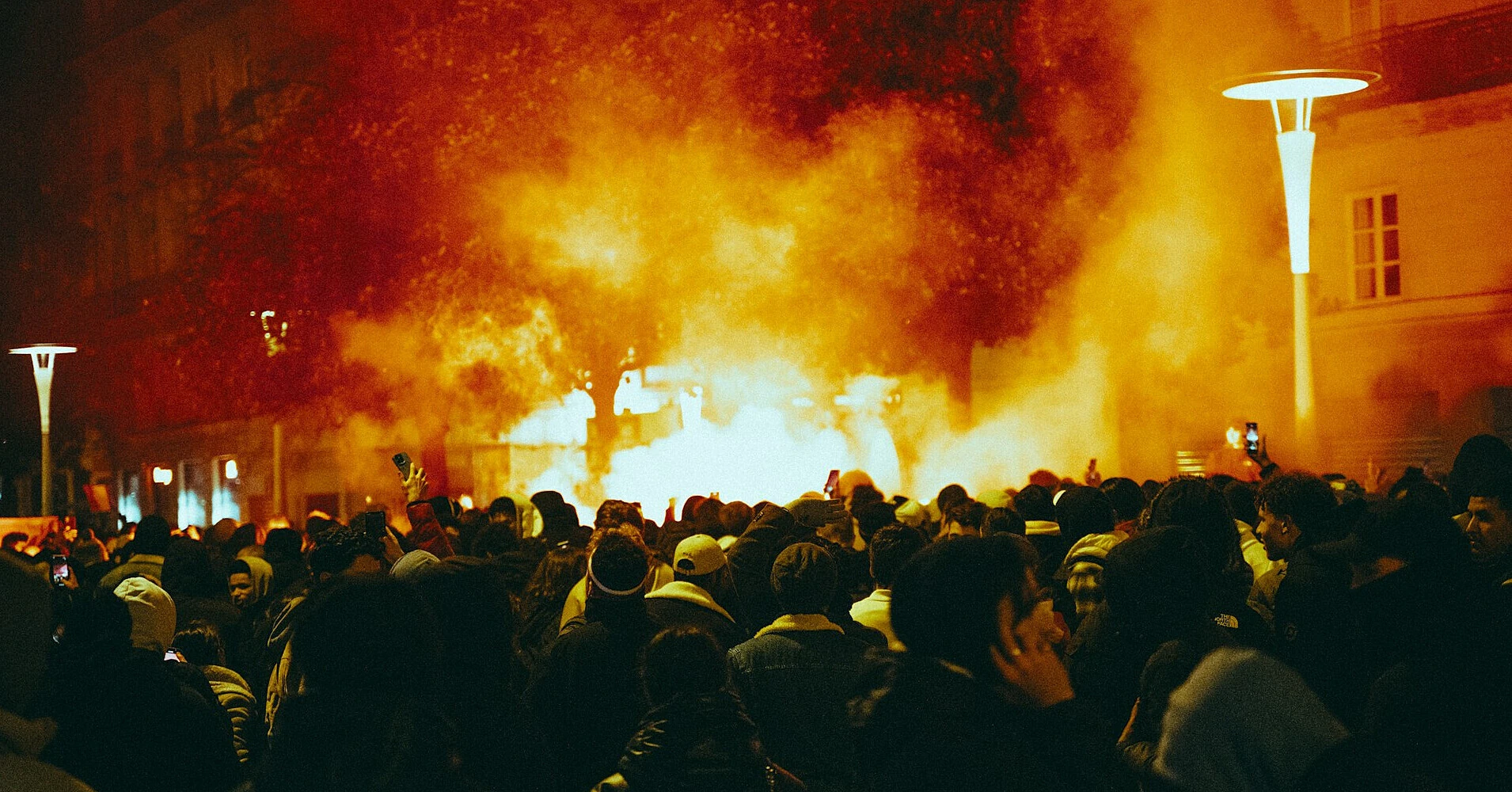
In France on 31 October the third consecutive Saturday of mass demonstrations took place. According to interior ministry figures cited by Associated Press, about 320,000 people took to the streets, down from 410,000 a week earlier. Unions and supporters of the "yellow vests" joined the rallies demanding better learning conditions. Most marches were peaceful, but in several cities clashes broke out after they ended. Authorities reported more than 560 arrests.
To maintain order, the French interior ministry mobilized 70,000 police officers and gendarmes. Authorities stepped up checks on roads, at stations and in the rail network, restricted certain demonstration routes and banned a number of evening gatherings. The next stage is on 5 November: CGT, CFDT and other unions are calling for strikes to demand higher wages, pensions and funding for public services.
In Germany, youth demonstrations on 31 October also united demands related to education, the cost of living and social spending. Military service was a separate topic. In Frankfurt am Main, shop windows were damaged. In Cologne, the rally did not continue with the planned march, and after it ended police used water cannons, reporting attacks on officers.
However, the situation differed significantly from city to city. Freiburg police estimated the local demonstration at about 3,500 participants and reported it ended peacefully without major violations. Therefore, clashes in individual centers do not mean unrest across the whole of Germany. Kurs earlier wrote about preparations for these protests; now information has emerged about their actual consequences.
In the neighboring Netherlands, businesses in The Hague closed their shop windows with protective shields in advance after calls for demonstrations on social media. According to the police's final statement, 34 people were arrested on 31 October, but major incidents were avoided. The mayor's emergency order covered the city's shopping center, Malieveld Square and the area near Central Station. By the evening the situation had calmed down.
In Spain and Portugal, the main unifying issue became housing. Portuguese activists are demanding an expansion of affordable housing and the rejection of controversial provisions of the rental law bill. After Saturday's demonstrations, participants again set up tents in Lisbon and Porto.
Early in the morning of 1 November, police cleared the camps at Rossio Square in Lisbon and Praça de D. João I in Porto. According to DW, citing police, 13 people were arrested, and both law enforcement officers and demonstrators were injured. Activist representatives dispute the proportionality of the force used. Protests against police actions were added to the housing demands.
In Spain, the movement is shifting from prolonged presence in central squares to preparing for a general work stoppage. The majority of the committees of the tent camp in Madrid's Puerta del Sol announced on 31 October that it would be dismantled and activities moved to city districts. According to Cadena SER, the organizers intend to focus on preparing for the strike.
On 11 November, the CCOO and UGT unions, together with housing organizations, announced a 24-hour general strike. Their demands link housing affordability to wage increases and improved employment conditions. But the overall date does not yet determine which trains, flights or city routes will be cancelled: this requires sector-specific notifications and decisions on minimum services.
In Italy, housing activists and students joined workers at demonstrations on 30 October organized by the USB union. Participants demanded higher wages and social spending, and also spoke out against increased military expenditures. According to Le Monde, most marches were peaceful, although isolated clashes occurred in Rome, Turin and Mestre. Public transport operations were only moderately disrupted.
On 20 November, the CGIL union announced a nationwide strike in the public and private sectors. The demands include restoring the purchasing power of wages and pensions, funding healthcare and education, and access to housing. Mandatory minimum services must be maintained; the specific conditions of participation are determined by sector.
In Belgium, the protest agenda is centered on budget cuts, purchasing power, pensions and public services. Following October's demonstrations, the CSC, FGTB and SYNOVA unions scheduled a large demonstration in Brussels for 23 November. The joint announcement refers to a march, so this date should not be considered a confirmed halt of all transport.
There is a separate reason for the protests at the Constitutional Tribunal in Warsaw after its president Bogdan Święczkowski was dismissed. According to Associated Press, the government justifies its actions by restoring the rule of law, while the opposition disputes their legality; police guarded the building and reported arrests.
For businesses, visible consequences have already appeared: damage to commercial premises in some cities, expenses for protecting shop windows and restrictions on customer access. For residents, including Ukrainians in the EU, and travellers: road closures, checks and the need to verify the operation of transport and institutions. The November strikes add uncertainty, but you need to check the specific route or service: announcements of demonstrations do not mean a complete halt of movement across the European Union.
Based on materials from: Associated Press, French Interior Ministry, Cologne police, Freiburg police, RTVE.
